
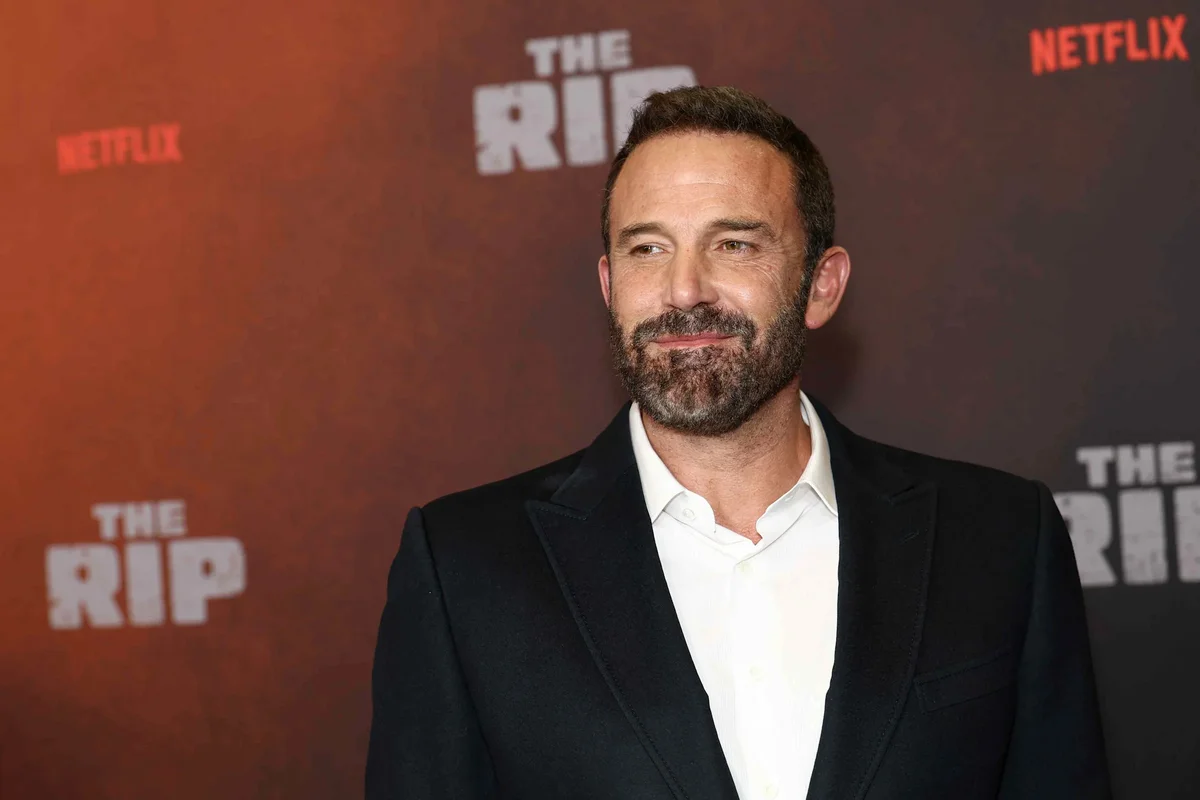
During this year’s Super Bowl, Ben Affleck teamed up once again with Dunkin’ Donuts to present a commercial that leaned heavily on ’90s nostalgia. The Ben Affleck Super Bowl Ad transformed his acclaimed film Good Will Hunting into a sitcom-style homage, featuring iconic stars from that era. However, viewers were unsettled by the ad’s overly polished and somewhat eerie appearance, caused by heavy digital effects that dulled actors’ expressions.
How Dunkin’ Donuts Embraced Nostalgia but Struggled with Digital Effects
Dunkin’ Donuts clearly aimed to tug at viewers’ nostalgia by assembling a cast of legendary ’90s TV figures, including Jason Alexander from Seinfeld, Jennifer Aniston and Matt LeBlanc of Friends, Ted Danson from Cheers, Jasmine Guy known for A Different World, Jaleel White from Family Matters, and Alfonso Ribeiro who starred in The Fresh Prince of Bel-Air. The commercial also referenced famous lines from these shows, such as Affleck quoting Friends’ memorable phrase “We were on a break” in a scene with Aniston. This blend of familiar faces and catchphrases was designed to create a warm, sentimental atmosphere for longtime fans.
Yet despite the nostalgic intent, audiences immediately noticed something off about the commercial’s visual style. The cast appeared overly smoothed, with a blurring effect that made their faces look expressionless and somewhat artificial. Whether this was the result of AI, digital de-aging, or other post-production techniques is uncertain, but the effect was clear and widely criticized. On social media, one frustrated viewer on X remarked,
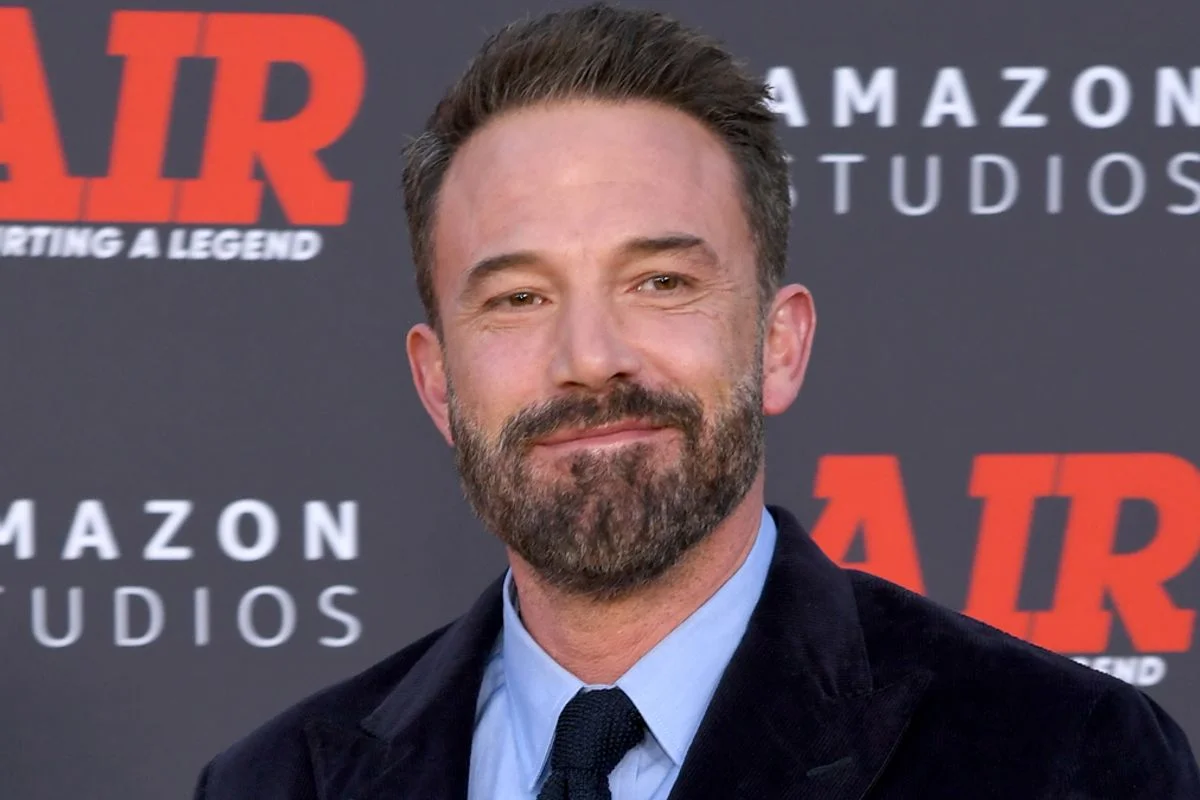
“Whoever did that Dunkin’ Donuts commercial, needs to go back to the drawing board because the AI was so noticeable,”
highlighting the disconnect between the ad’s intent and its reception.
Similar Effects in Other Brands’ Nostalgic Super Bowl Ads
Dunkin’ wasn’t the only brand to use a throwback theme combined with modern digital effects during this Super Bowl. Xfinity incorporated stars from Jurassic Park, including Jeff Goldblum and Laura Dern, in an ad where technology helps control the chaos caused by dinosaurs. Like Dunkin’, the Xfinity commercial employed digital enhancements and de-aging that made the actors’ appearances unnervingly artificial. Although the storytelling was engaging, the slick CGI and filtering diminished the natural look of the actors.
Beyond nostalgia-based ads, other companies also embraced a similar polished and slightly artificial aesthetic. For example, Chris Hemsworth’s Amazon Alexa+ commercial and Matthew Broderick’s Genspark advertisement, both promoting AI-related products, conveyed calm and charm but included a subtle airbrushed quality. These ads felt cleaner and less jarring than Dunkin’s because their modern tone matched the slickness. Still, an intangible sense of superficiality lingered, underscoring a growing trend of commercial visuals that prioritize technological polish over authentic human presence.
Notably, other well-known brands such as Pringles and Pepsi participated in the Super Bowl advertising frenzy, though their styles and approaches varied widely.
Contrasting Ads That Highlight Real Human Connection
While some commercials were criticized for their glossier, unsettling look, a few notably focused on celebrating human experience and connection through technology. OpenAI’s spot, for instance, showcased real people engaged in everyday creative and practical tasks, like sketching, designing, and even controlling robotic arms, highlighting that people remain at the heart of innovation. Kate Rouch, OpenAI’s chief marketing officer, said,
“The core message is that people are actually the hero.”
She added,
“This is a technology that extends what’s possible for people.”
Similarly, Google’s commercial featured a mother and her son imagining their future in a new home, emphasizing technology’s role in improving lives while keeping the emotional relationships central. Both ads pushed back against the unsettling trend seen in other spots by firmly anchoring AI tools as extensions of human potential rather than replacements.
Audience Reactions Reflect Broader Unease with Automated Imagery
The Super Bowl commercials trained viewers not to question how the effects were created, instead diverting attention to celebrity cameos, humor, and spectacle. AI-generated enhancements became a subtle background element rather than a headline feature. This deliberate avoidance of drawing focus on technology only intensified the unease sparked by Affleck’s ad, which invited direct comparisons to past shows but made the present feel strangely foreign.
The unsettling sensation many viewers experienced when watching the Dunkin’ Donuts commercial stems from this collision of familiar ’90s sitcom style and hyper-polished digital manipulation. The ad, intended as a fun throwback, instead highlighted how reliance on automation and digital smoothing can rob performances of their warmth and spontaneity. This may signal a turning point in how audiences respond to AI-enhanced media, pressing creators to balance nostalgia and technology with genuine human expression.
Whoever did that Dunkin Donuts commercial, needs to go back to the drawing board because the AI was so noticeable. Lol
— 🌻Shaquille Sunflower🌻 (@HelloAryk) February 9, 2026
Related semantic context: related coverage · external reference.
