
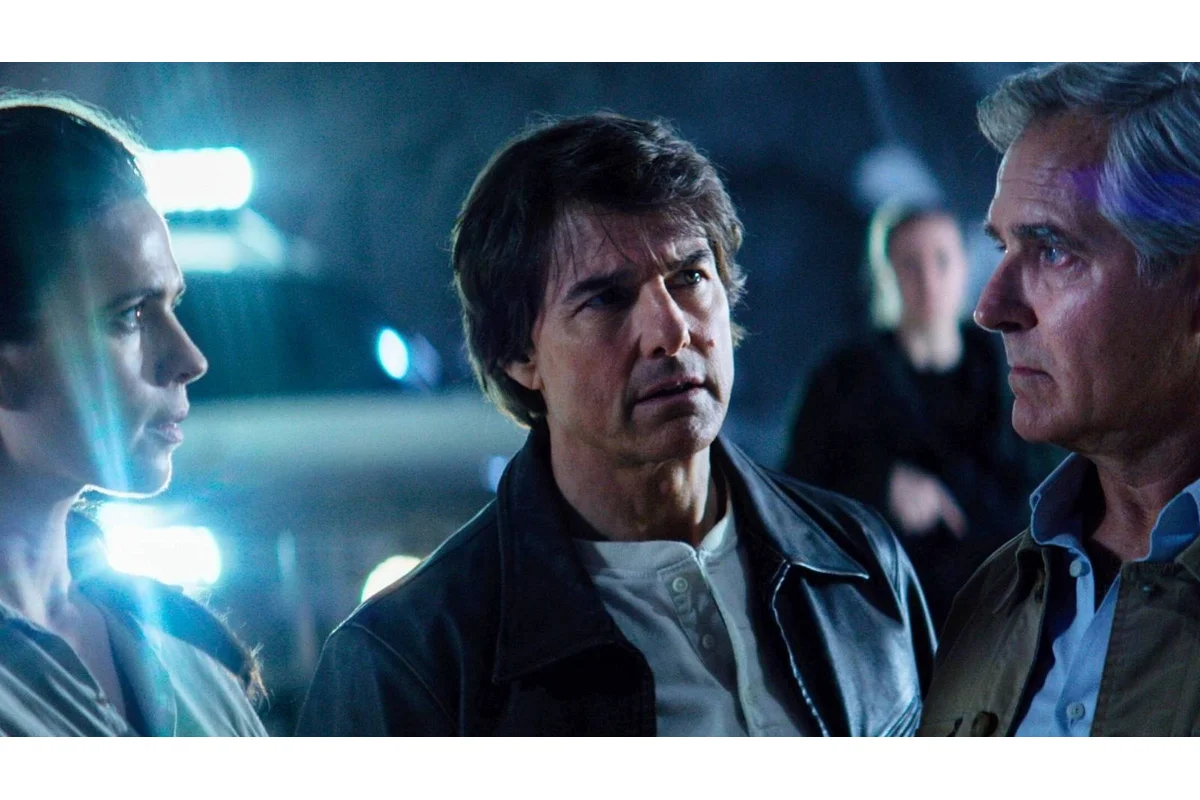
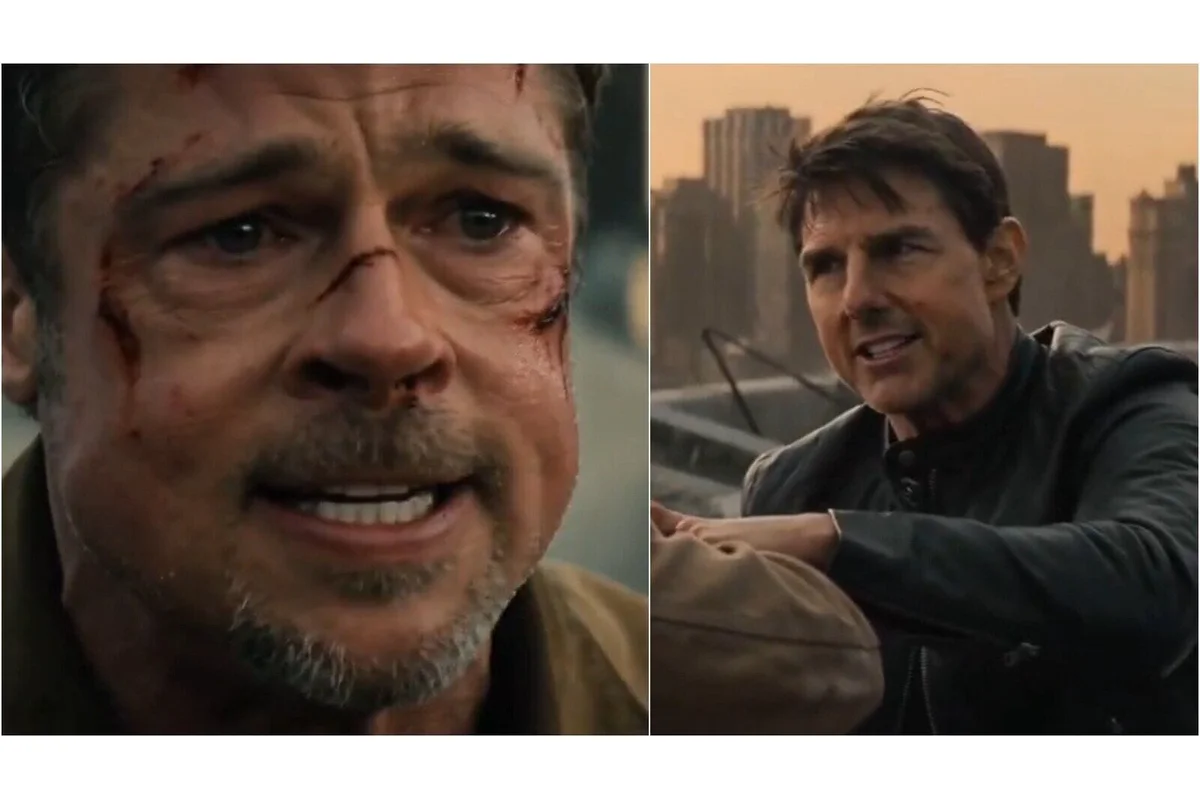
A hyper-realistic AI-generated video showing Tom Cruise and Brad Pitt engaged in a fight has recently gone viral, highlighting the most significant challenge currently facing Hollywood. As artificial intelligence technology rapidly advances, the entertainment industry is confronting serious ethical, creative, and legal dilemmas linked to AI’s increasing use in filmmaking.
The Realism and Creation Behind the AI-Generated Tom Cruise and Brad Pitt Fight
The striking video, which depicts Brad Pitt and Tom Cruise battling on a ruined rooftop, is not a clip from an upcoming blockbuster or an elaborate commercial. Instead, it is a sophisticated AI-generated piece created by Ruairi Robinson, an Irish filmmaker noted for his Oscar-nominated short film Fifty Percent Grey in 2002 and his sci-fi horror feature The Last Days on Mars.
Robinson revealed on his Twitter/X account that the video was produced using Seedance 2, a powerful AI video generation model developed by ByteDance, the parent company of TikTok. Seedance 2 excels in producing high-definition clips with remarkable attention to details that typically betray AI creations, such as realistic lighting, sound, and physical interactions.
Robinson demonstrated how effortlessly Seedance 2 can generate videos by sharing multiple variations, including Brad Pitt fighting a zombie ninja, a fictional fight between Pitt and Cruise about Jeffrey Epstein’s death, and a battle involving both actors facing off against a robot. Although Robinson has not explicitly stated his motivations for creating the videos, he expressed surprise at the quality and indicated an interest in producing more AI-generated content.
Industry Reaction to the Viral AI Fight Video
Hollywood professionals and organizations have responded strongly to the emergence of the Tom Cruise AI fight video, given the ongoing disputes over AI’s role in the film industry. Screenwriter Rhett Reese, known for his work on Zombieland and the Deadpool series, commented that AI’s progress will soon enable the creation of movies indistinguishable from mainstream Hollywood productions.
“keeps young/poor people away from creative levers.”
— Rhett Reese, Screenwriter
Reese highlighted Hollywood’s closed nature, describing it as a gatekeeper that restricts access to creative resources for younger and financially disadvantaged artists. He noted that these creators are turning to AI tools out of necessity, while many in executive roles are already using AI to assess screenplays and works submitted by writers.
Additionally, Reese expressed concern over the impact of AI on jobs, stating that many creatives have lost employment opportunities due to the technology’s rise, even as he acknowledged being impressed by the Pitt vs. Cruise video’s quality. Other voices on social media have echoed his concerns, while some encourage the integration of AI as a complement to human creativity.
The Motion Picture Association (MPA) also condemned the AI video, accusing Seedance 2 and its developer ByteDance of engaging in
“unauthorized use of U.S. copyrighted works on a massive scale”
and calling for an immediate halt to such infringement.
The Rapid Pace of AI Adoption Outruns Hollywood’s Regulatory Framework
The controversy surrounding the Tom Cruise AI fight video comes amid a broader rush by AI technologies ahead of formal industry controls. During the 2023 Hollywood strikes, regulations governing AI use in the creative process were a major point of contention. Meanwhile, new AI-driven programs and virtual actors are emerging, including contentious figures like Tilly Norwood.
Some filmmakers have already incorporated AI in subtle but impactful ways. For instance, the film Emilia Pérez employed AI voice-cloning to enhance the lead actress’s singing, while The Brutalist used AI to modify accents of its main performers. Doug Liman’s upcoming bitcoin biopic Killing Satoshi plans to use AI-generated environments on a markerless performative capture stage, with AI also enlisted to fine-tune actor performances during reshoots. Producer Ryan Kavanaugh affirmed that no AI-generated actors will be cast for the project.
Despite efforts from studios and unions to manage AI’s integration so as not to eliminate jobs or creativity, the rapid evolution of the technology has outpaced Hollywood’s ability to establish clear guidelines. This leaves the industry vulnerable to unintended consequences, complicating relationships between human talent, technology, and intellectual property.
The Future of AI in Film and Television: Uncertain but Pivotal
While AI’s capabilities have grown dramatically, fueling projects ranging from virtual actors to entire scenes generated by algorithms, the possibility of an AI takeover of film and television remains ambiguous. Much depends on how regulatory frameworks evolve and how the industry balances technological advancement with creative integrity and legal protections.
Content like the viral Tom Cruise AI fight video raises complex copyright questions, as it utilizes the recognizable likenesses of celebrities without explicit consent, mirroring the concerns raised by the MPA. Moreover, AI’s capacity to appropriate any individual’s image or voice poses broader ethical issues for consent and ownership.
Nevertheless, there is cautious optimism that AI will not replace the originality and creative depth that human artists contribute to filmmaking. The extraordinary realism demonstrated in the Pitt vs. Cruise AI video serves as both a milestone in AI development and a catalyst for serious discussions about the future of creativity, regulation, and rights within Hollywood.
As studios, creatives, and regulators grapple with these evolving challenges, the outcome will likely shape not only how films and television shows are made but who will control storytelling in the years ahead.
Related semantic context: related coverage · external reference.
