
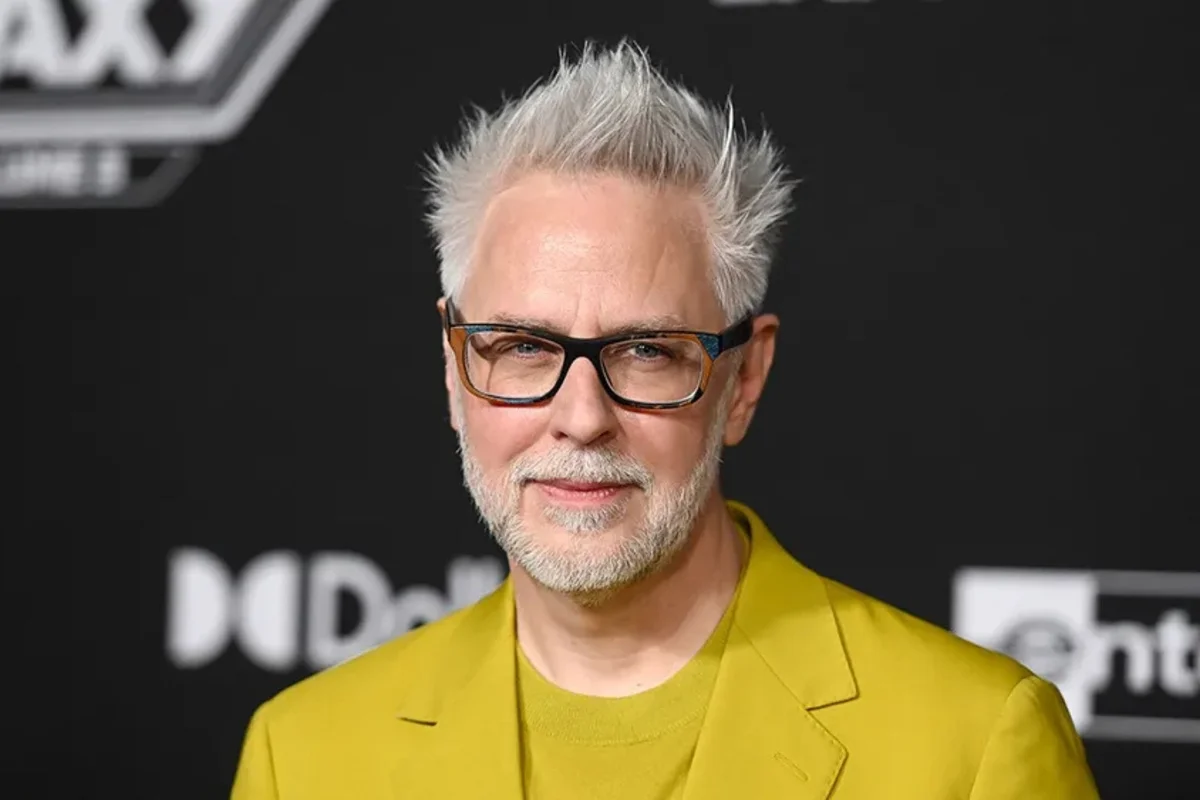
James Gunn is the primary entity for this article, supported by Entertainment topic context.
Related WII context: related keeper article. External authority context: industry context.
James Gunn, who took charge of DC Studios’ creative direction in late 2022, described his leadership of the newly rebooted DC Universe (DCU) as an “experiment” marked by complexity and unconventional challenges. As the company navigates the transition from the declining DCEU to a fresh continuity centered on Superman in 2025, Gunn’s dual responsibilities as a studio executive and filmmaker highlight both the potential and difficulties involved in reshaping the franchise.
Gunn’s unique position requires him to balance overseeing DC Studios’ portfolio with actively creating films, including his upcoming project Man of Tomorrow set for 2027. This hands-on role diverges from typical studio executives and recalls none of the traditional frameworks of his predecessors, emphasizing the risks and innovation embedded in the venture.
The Dual Role Creating a Unique Challenge at DC Studios
James Gunn openly acknowledged the unparalleled nature of his dual position as DC Studios’ co-CEO and creative lead, calling it an experiment that demands juggling many responsibilities simultaneously. When speaking on Variety’s Awards Circuit podcast, he contrasted his role against historic figures like Walt Disney, noting that unlike Walt—who was primarily a producer and not a director—Gunn remains deeply involved in the creative process. He called this combination both innovative and, at times, borderline madness.
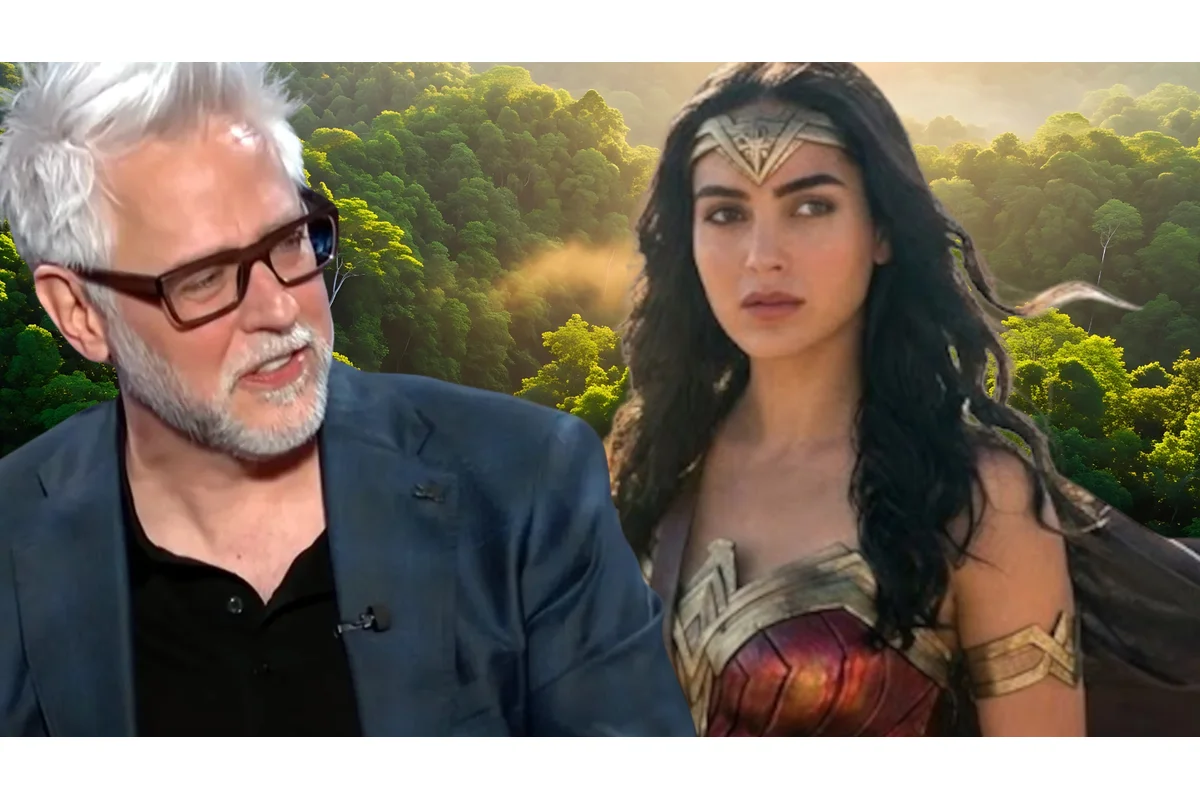
“It’s never happened before. I mean, ’cause even Walt was… he was more a producer. He’s a producer. He wasn’t really a director, you know? This is a unique position and truly an experiment. It is something that hasn’t been done, and to do it with me sometimes might seem like madness… It’s not like I’m creating the most conventional mainstream films. But I do love making big mainstream spectacle films. That’s my jam. But yeah, so I think that it was something that when I was approached about taking on this role.”
—James Gunn, DC Studios co-CEO and filmmaker
Gunn emphasized that his style tends to deviate from typical blockbuster formulas, embracing spectacle with a personal creative edge. This innovative structure is the foundation Warner Bros. hopes will fuel long-term growth for the DCU. In this context, Supergirl will serve as the first significant test, being the initial project from DC Studios not written or directed by Gunn since his appointment.
Decision to Lead DC Studios Came After Partnering with Peter Safran
Initially, Gunn resisted the offer to lead DC Studios due to his desire to avoid replicating Marvel Studios’ leadership model, which is often attributed to Kevin Feige’s style. However, the collaboration agreement with producer Peter Safran convinced him to accept the role. Gunn explained this pivotal moment during an interview:
“When I was first approached, I was like, ‘No way.’ Straight up no, because I didn’t want to do what Kevin Feige did. But then when it was me and Peter together, and they came to Peter, and I think Peter was like, ‘No way…’ As soon as Peter did it, I was [feeling], this is exciting, and fun, and I couldn’t say no, because in a way because no one had ever done it before.”
—James Gunn, DC Studios co-CEO and filmmaker
This partnership has become central to the studio’s strategy, blending Gunn’s creative vision with Safran’s producing expertise to redefine the DCU’s path forward.
Balancing Creative Work with Executive Demands Brings Significant Pressure
Despite early successes at the box office, Gunn has expressed uncertainty about whether this novel leadership experiment will prove sustainable in the long term. He highlighted the immense workload involved in managing both high-level decisions and active filmmaking roles under one roof.
“So, I wanted to see what it was like and I thought it was worth with trying out. And I still don’t know if it’s a successful experiment. I know that, in terms of money, it’s been successful so far, but it is a lot to do, and how much of it I’m actually capa[ble].”
—James Gunn, DC Studios co-CEO and filmmaker
The demanding schedule requires continuous effort and sacrifices, especially considering Gunn’s commitment to writing and directing projects while simultaneously guiding the franchise’s overall strategy.
“It’s a lot, a lot of work. And so, that part’s been stressful in a different way. Not stressful in terms of like… just stressful in terms of, I don’t have enough hours in the day to do all this stuff… If I could sleep two hours a night, that would be great, because I often sleep five hours a night and that’s not… still more to do.”
—James Gunn, DC Studios co-CEO and filmmaker
Background: From Marvel to DC and the Road to Leadership
Gunn’s rise to head of DC Studios owes much to his distinctive career path, which began with notable success directing Marvel’s Guardians of the Galaxy series. In 2018, he was unexpectedly fired by Disney following resurfaced controversial tweets, but strong support from the franchise’s cast and fans prompted the company to reinstate him in 2019 so he could finish the trilogy.
During the period away from Marvel, Gunn collaborated with Warner Bros. on The Suicide Squad, which established the foundation for his later appointment to lead DC Studios. This transition marks a rare reunion between Gunn and Warner Bros., positioning him as a key figure in reshaping the DC cinematic landscape.
Approach to Content and Project Oversight at DC Studios
Since assuming leadership, Gunn has implemented rigorous script approval policies, personally greenlighting projects only when he is impressed with the writing. This strategy explains why only two films, Supergirl by Ana Nogueira and Clayface by Mike Flanagan, are currently slated for release in 2026. Gunn’s endorsement of these scripts signals his direct influence on the studio’s forthcoming slate.
Meanwhile, other previously announced projects like The Authority, the Wonder Woman spin-off series Paradise Lost, and The Brave and The Bold either remain on hold or have quietly been canceled due to the lack of strong scripts aligning with Gunn’s vision.
Projects written and directed by Gunn dominate the current DCU canon, including the animated series Creature Commandos, the theatrical Superman, and the second season of Peacemaker. Through this creative control, Gunn ensures the cinematic universe directly reflects his storytelling style, with Man of Tomorrow fast-tracked for a 2027 release.
Notably, 2026 will mark the first year since Gunn took over that he will not have any projects he wrote or directed, suggesting a shift toward concentrating fully on his executive responsibilities. This transition will serve as a critical test of whether the leadership experiment can sustain success without his direct creative involvement on every project.
