
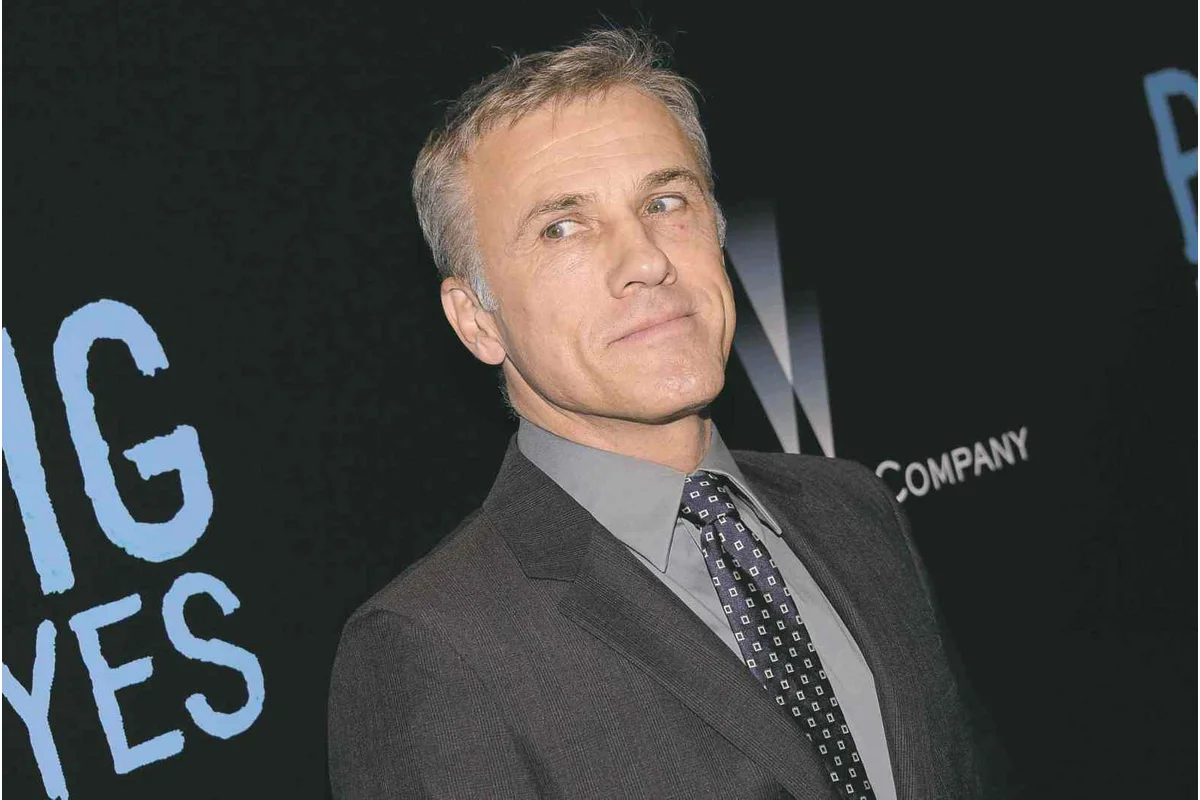
Christoph Waltz, known for delivering some of the most memorable film roles of recent years, has expressed a strong preference for sticking closely to the script during filming. Famous for characters like Dr. King Schultz in Django Unchained and the chilling villain Hans Landa in Inglourious Basterds, Waltz explained why he avoids improvisation despite the praise it often receives. Speaking at a press conference promoting Horrible Bosses 2, Waltz made his views clear on script adherence, reinforcing how important it is for him to follow the writer’s original words rather than inventing dialogue on the spot.
Waltz’s Experience in ‘Horrible Bosses 2’ and His Views on Improvisation
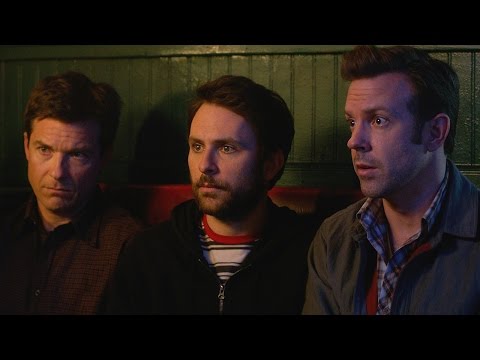
While Waltz has delivered acclaimed performances, his role in Horrible Bosses 2 as billionaire Bert Hanson did not bring the same accolades. The movie reunited the original cast in a comedic plot involving a scheme gone awry, where Hanson swindles the main group out of a large sum, prompting them to kidnap his son, played by Chris Pine, in retaliation. Despite the film’s moderate reception, Waltz’s experience highlighted a major personal discomfort: he was the only cast member who did not share an improvisation story from the set. To him, diverting from the script is problematic, a sentiment he elaborated on during an interview with Now Toronto.
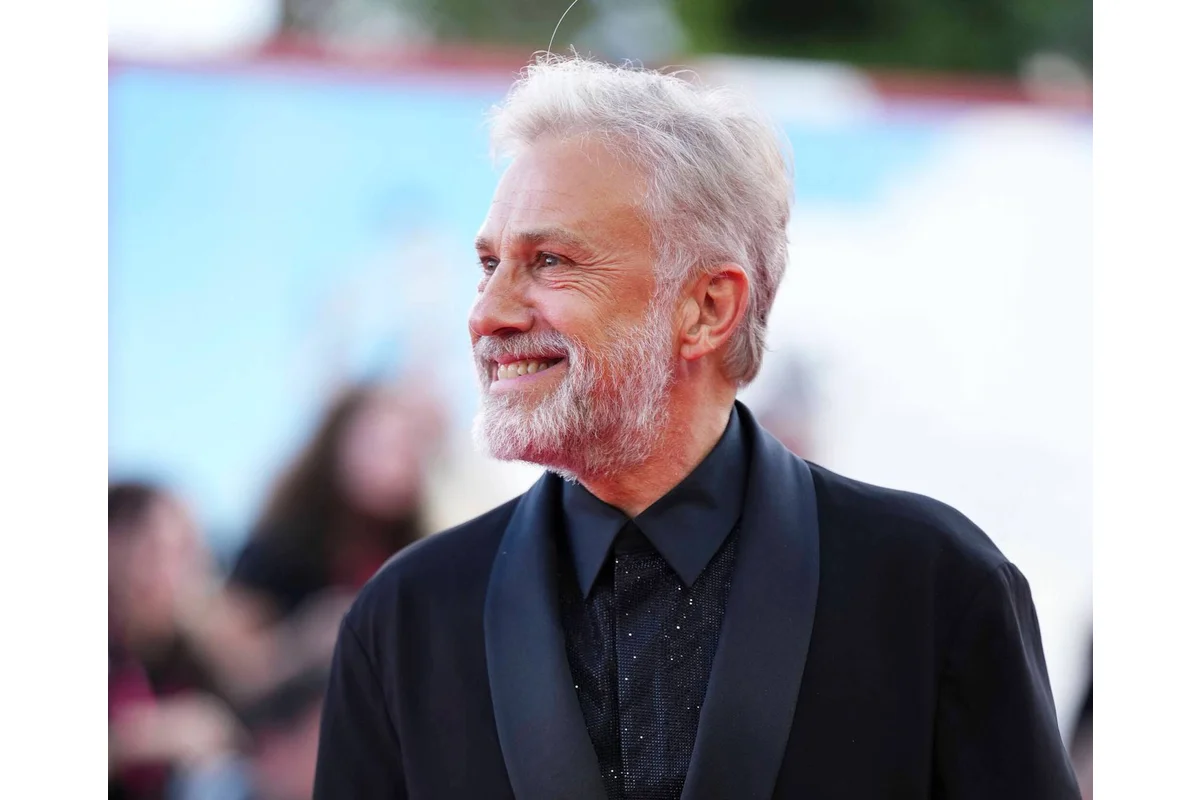
“I have sort of academic objections,”
Waltz stated,
“I’m not the writer. Why would I, in the best case, interfere with the writer, and in the worst case, help the writer out? It’s not what I do. If you want me to write a script, ask me to write a script. I don’t know whether I can do it, but that’s a clear deal. But don’t put a script in front of me and then ask me to do it differently. Put a different script in front of me.”
?Christoph Waltz, Actor
The Role of Script and Actor Creativity in Film and Theater
Improvisation often enriches performances, with many iconic scenes in cinema and theater born from spontaneous moments. However, Waltz emphasizes that a script’s foundation should be respected. While actors can and sometimes should add personal touches or adapt, this creativity should not override the writer’s intentions. In theater especially, improvisation can be necessary during live performances when unexpected situations arise, but on film sets, where control is tighter, Waltz feels that improvisation conflicts with the original vision.
It is important to recognize that even highly improvisational actors like Robin Williams opted to adhere to the script in many of their projects, demonstrating that strict script adherence and creativity are not mutually exclusive but require balance.
Implications of Waltz’s Views on Filmmaking and Casting
Christoph Waltz’s insistence on script fidelity underlines a professional ethic that prioritizes the writer’s work and maintains the integrity of the written story. His perspective may frustrate those who value improvisation as a key acting skill, but it highlights the different approaches actors bring to their craft. For filmmakers and casting directors, understanding Waltz’s stance is essential if their projects demand spontaneous, off-script performances. Those seeking an actor open to improvisation might need to consider others, particularly if the production emphasizes flexibility over the script’s precise delivery.
Ultimately, Waltz’s commitment to honoring the written word reflects a broader conversation in the film and theater industry about the boundaries between scripted content and performer creativity, impacting how stories are told and received by audiences worldwide.
Related semantic context: related coverage · external reference.
