
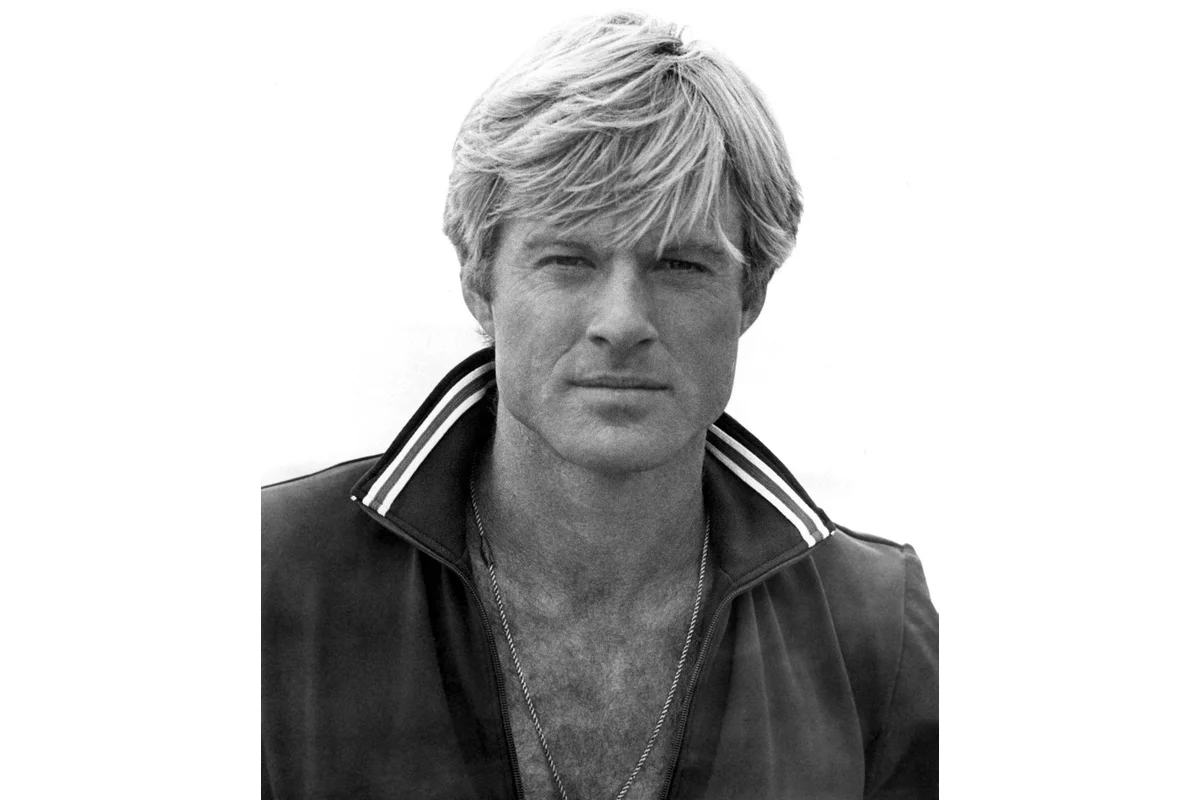
Robert Redford, a legendary actor renowned for his discerning choice of roles, unexpectedly features prominently in the true crime genre. Analyzing his extensive career reveals that a significant portion of his work involves true crime narratives, underscoring the presence of the Robert Redford true crime motif throughout his filmography. This exploration identifies the many ways Redford’s acting credits intersect with real criminal events or figures, demonstrating the evolving nature of true crime storytelling, especially in the mid-to-late twentieth century.
How True Crime Was Viewed in Redford’s Era
During much of Redford’s career, true crime was not strictly defined as it is today. Cultural perceptions ranged widely—from sensationalist detective magazines to literary nonfiction crafted by prestigious writers such as Truman Capote and Norman Mailer. Films like Brubaker were often classified more as biographical dramas than outright true crime, illustrating the fluid boundaries of the genre. Redford’s body of work, especially in the 1960s and 1970s, fits into this shifting landscape, blending crime-based narratives with prestige cinema.
Calculating Redford’s True Crime Filmography
To quantify Redford’s association with true crime, a points-based system was applied across his IMDb acting credits, excluding directorial works. Each project earned points based on criteria: one point for each true crime story, two points for portraying a real-life figure involved in a criminal case, an additional point for any awards recognition, and another for films regarded as genre classics. The total number of points was divided by Redford’s 85 acting credits, creating a “Bet-Crap” percentage indicating the prevalence of true crime in his career.
Significant True Crime Roles and Projects
Redford’s involvement with true crime begins early in his career, including roles in television episodes like Our American Heritage (1961), portraying historical figures linked to criminal justice themes, such as Andrew Jackson and Aaron Burr. His appearance in The Untouchables (1963) as a bootlegger adds to this trend, reflecting real historical crime figures and events.
One of Redford’s most famous true crime-related works is Butch Cassidy and the Sundance Kid (1969). Portraying Sundance, a real Wild Bunch Gang member, the film qualifies strongly due to the authenticity of its characters and its cultural significance, earning four points in the system. Though the movie’s critical reputation varies, it remains a cultural landmark and a recognized hall-of-famer.
In the same year, Downhill Racer touched on true crime themes connected to the real-life story of ski racer Spider Sabich, whose death remains subject to controversy. Despite uncertainty around Redford’s character being a composite, the film’s connection to a true crime narrative lent it points, supported also by Redford’s BAFTA win.
Tell Them Willie Boy Is Here (1969) dramatizes the true story of a Native American fugitive’s escape and pursuit, though Redford’s role as the sheriff did not involve a name figure point. The film’s relative obscurity and unclear awards attribution earned it two points.
Jeremiah Johnson (1972) draws inspiration from a historical trapper who engaged in violent conflict with Native Americans, with Redford’s leading role contributing three points due to its biographical basis.
Redford’s work also includes small nods to true crime in films like The Sting (1973), inspired by actual 1930s cons and real-life con artists, which garnered him an Oscar nomination and the film’s status as a cinematic classic, though its classification strictly within true crime remains debatable.
Later True Crime Portrayals and Noteworthy Films
In the 1970s, Redford starred in All the President’s Men (1976), portraying a journalistic endeavor involving real-life figures like Ben Bradlee and Carl Bernstein investigating Watergate. This role is a clear intersection of true crime themes and historical events, earning full points for authenticity, awards presence, and long-lasting cultural impact.
Brubaker (1980) dramatizes reform efforts based on Arkansas prison warden Tom Murton, offering a fictionalized but grounded take on abuses in the penal system, securing three points despite a lack of awards recognition. Similarly, The Natural (1984) incorporates true crime elements inspired by the shooting of baseball player Eddie Waitkus, with Redford’s character modeled after him, resulting in another three-point contribution.
The 2004 film The Clearing, inspired loosely by the kidnapping of industrialist Gerrit Jan Heijn, earned a single point. Redford’s later work in The Company You Keep (2012) touches on anti-establishment criminal groups like the Weather Underground but remains speculative in its true crime status.
Truth (2015) puts Redford in the role of Dan Rather during a controversial news scandal. While this involves elements of journalistic ethics and alleged forgery, its classification under true crime is ambiguous, as the legal aspects remain contested.
Finally, The Old Man and the Gun (2018), based on a New Yorker article by David Grann, dramatizes the life of an aging bank robber, earning both critical attention and awards consideration, adding four points to Redford’s tally.
Assessing the Impact and Legacy of Redford’s True Crime Roles
Adding up the points across Robert Redford’s career results in a substantial 33 points from 85 acting credits, yielding a “Bet-Crap” percentage of about 38.8%, slightly higher than initial estimates. This underscores the unexpectedly large role true crime narratives have played in his body of work, especially within films that combine historic reality with dramatic storytelling. The blend of prestige projects and true crime themes reflects both Redford’s selectivity and the evolving nature of crime representation in cinema.
This analysis not only highlights the broad reach of true crime in Redford’s career but also invites further discussion about the genre’s boundaries and its cultural significance over time. As Redford’s roles often navigated complex historical and criminal landscapes, his work continues to serve as a revealing lens into how true crime stories have been told on screen. Readers and cinephiles interested in exploring more actors with ties to true crime are encouraged to engage with ongoing conversations and critiques of genre classification.
“cover my eyes and throw a dart” – Unattributed
“The screenplay by David S. Ward was inspired by real-life cons perpetrated by brothers Fred and Charley Gondorff and documented by David Maurer in his 1940 book The Big Con: The Story of the Confidence Man.” – Wikipedia
“sorry I’m late, I was takin’ a crap” – Unattributed
“And Maybe I Have To Revise The DiCaprio BET-CRP Also?” – Unattributed
“Wait you skipped Sneakers how dare you??” – Unattributed
Related semantic context: related coverage · external reference.
