
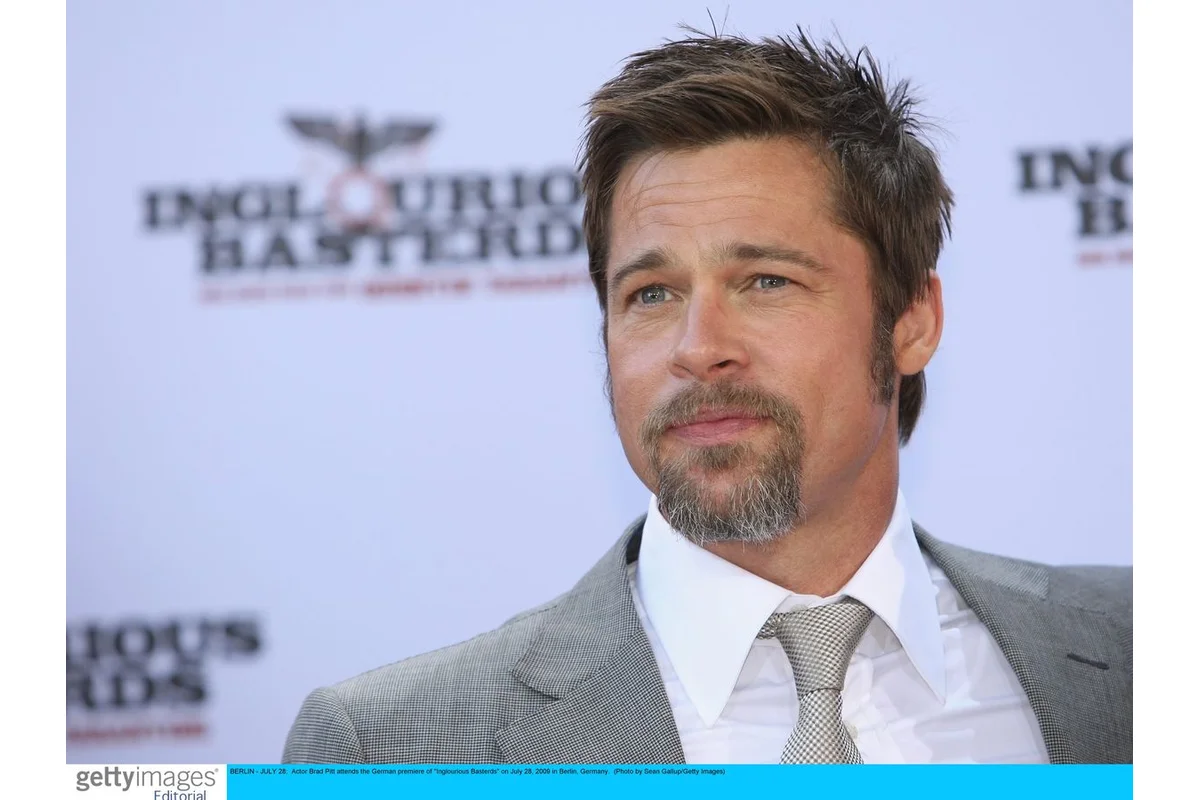
A rapidly shared AI-generated video showing Brad Pitt and Tom Cruise in a rooftop fight has ignited renewed debate over artificial intelligence’s impact on Hollywood. The Brad Pitt AI video controversy highlights growing concerns about unauthorized use of performers’ likenesses and the implications for creative industries.
AI-Generated Fight Scene Raises Industry Alarms
The short, 15-second clip was created using Seedance 2.0, an AI video generator recently released by ByteDance, TikTok’s parent company. As the video spread across social media, the Motion Picture Association (MPA) condemned it for violating copyright by replicating the actors without their consent. Charles Rivkin, the MPA’s chief executive, called on the company behind Seedance 2.0 to halt practices that infringe on protected creative works. He emphasized that the absence of protective measures disregards established copyright laws that safeguard millions of jobs in the U.S. entertainment sector.
Filmmakers Express Unease Over AI’s Rapid Progression
Irish filmmaker Ruairí Robinson shared the video on X, revealing it was generated with just two lines of text, a fact that added to the alarm about AI’s growing realism. This demonstration sparked fears among filmmakers and writers about how quickly AI might rival or overtake traditional production techniques, threatening their professions. Screenwriter and producer Rhett Reese, known for hits like Deadpool and Zombieland, remarked on the unsettling credibility of the footage and the potential for AI technology to drastically reshape creative employment.
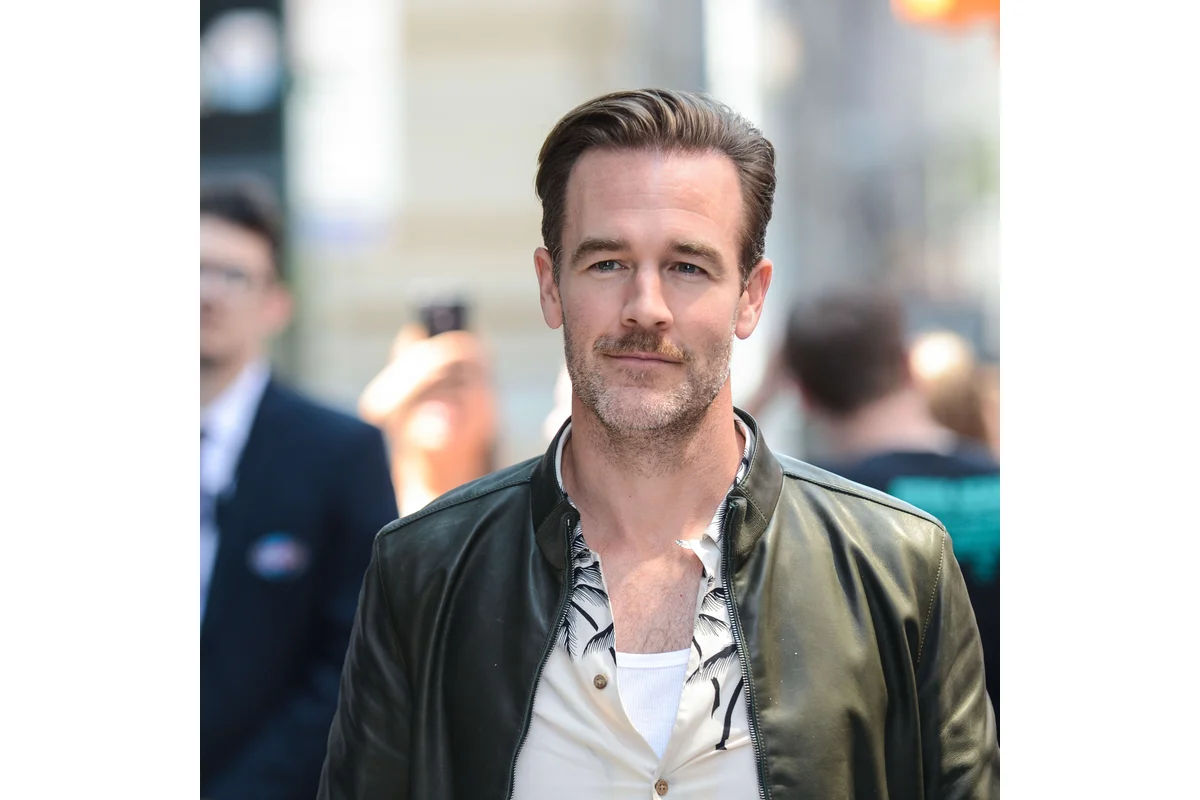
This was a 2 line prompt in seedance 2. If the hollywood is cooked guys are right maybe the hollywood is cooked guys are cooked too idk. pic.twitter.com/dNTyLUIwAV
— Ruairi Robinson (@RuairiRobinson) February 11, 2026
Unions Demand Stronger Protections Against AI Misuse
The concerns raised by the video reflect ongoing tensions that fueled the 2023 strikes by SAG-AFTRA and the Writers Guild of America. Many union members feel that the agreements reached then have not kept pace with the rapid advances in AI technology. As SAG-AFTRA resumes contract talks this week, AI use remains a critical issue. Negotiators are discussing a proposed “Tilly tax,” which would require studios to pay fees when using AI-generated versions of performers, inspired by the debut of Hollywood’s first AI actor, Tilly Norwood.
In a statement, SAG-AFTRA criticized Seedance 2.0 for producing unauthorized digital replicas of actors’ appearances and voices. The union warned that such practices jeopardize the livelihoods of real performers and reflect a disregard for industry standards, informed consent, and ethical responsibility.
Implications for Hollywood’s Future and Creative Industries
This controversy underscores the escalating struggle between emerging artificial intelligence tools and existing entertainment industry regulations. The rapid dissemination of synthetic content featuring Brad Pitt and Tom Cruise intensifies debates over copyright, creative ownership, and worker protections. As studios and unions negotiate new frameworks, the outcome could set important precedents for how AI is integrated or limited within Hollywood workflows, potentially shaping the future of creative work worldwide.
This was a 2 line prompt in seedance 2. If the hollywood is cooked guys are right maybe the hollywood is cooked guys are cooked too idk. pic.twitter.com/dNTyLUIwAV
— Ruairi Robinson (@RuairiRobinson) February 11, 2026

Related semantic context: related coverage · external reference.
