
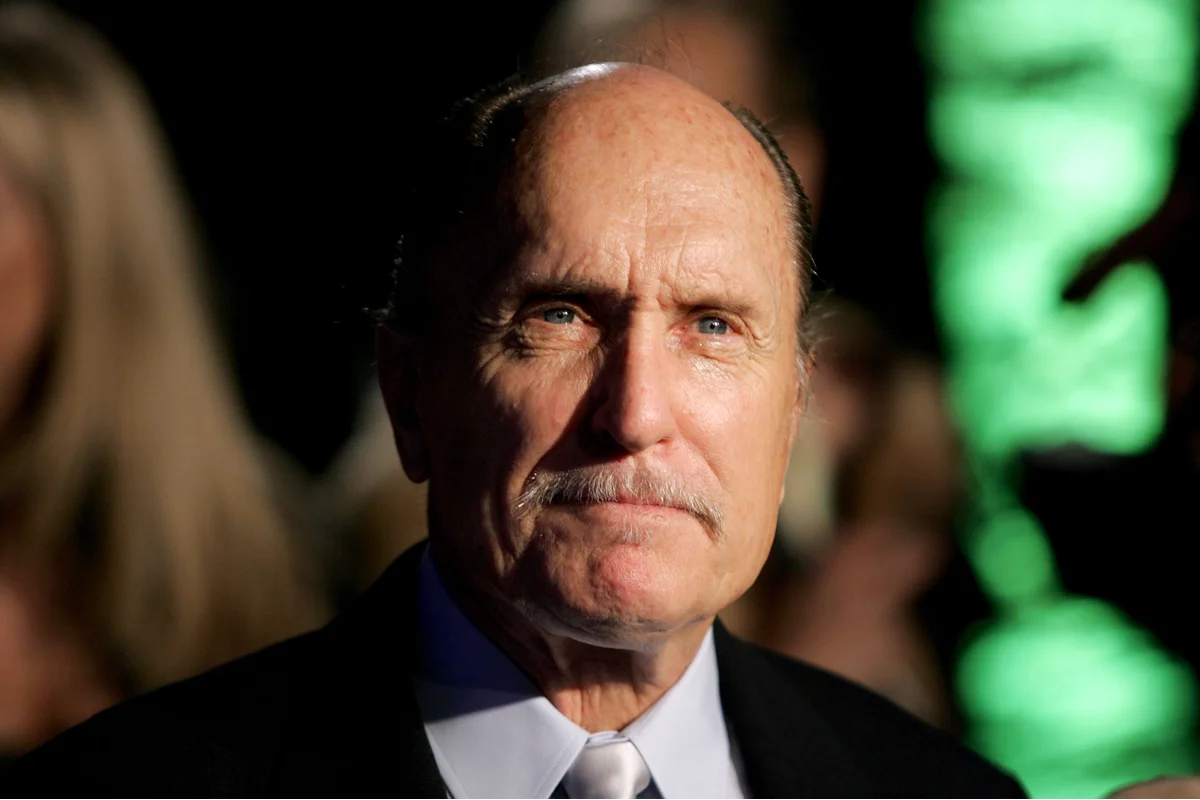
Robert Duvall, the Oscar-winning actor famed for his roles in iconic films such as The Godfather and Apocalypse Now, died peacefully at the age of 95 on Monday at his home, his wife Luciana Duvall announced. Known for his profound dedication to his craft and a career spanning over six decades, Duvall’s passing marks the loss of one of Hollywood’s most revered performers.
Robert Duvall’s Final Moments and Family Tribute
Luciana Duvall shared the news of her husband’s death on Facebook, describing how he passed surrounded by love and comfort. She paid tribute to him as a legendary figure both on-screen and in their personal life, expressing gratitude to fans for their support while requesting privacy during this difficult time. She wrote,
“Yesterday we said goodbye to my beloved husband, cherished friend, and one of the greatest actors of our time,”
and added,
“Bob passed away peacefully at home, surrounded by love and comfort.”
Reflecting on his artistic legacy and personal qualities, she remarked,
“To the world, he was an Academy Award-winning actor, a director, a storyteller. To me, he was simply everything. His passion for his craft was matched only by his deep love for characters, a great meal, and holding court. For each of his many roles, Bob gave everything to his characters and to the truth of the human spirit they represented. In doing so, he leaves something lasting and unforgettable to us all.”
She concluded with a heartfelt thank you:
“Thank you for the years of support you showed Bob and for giving us this time and privacy to celebrate the memories he leaves behind.”
Career Highlights and Cinematic Achievements
Robert Selden Duvall’s storied career began long before his breakout role in The Godfather in 1972, directed by Francis Ford Coppola. At that time, Duvall had already been acting for about 20 years, but portraying Tom Hagen in the mafia epic firmly established him as a sought-after actor in Hollywood. His performance as the calm yet commanding consigliere within the Corleone family demonstrated his ability to embody subtle complexity, often remaining in the shadows while delivering quiet influence.
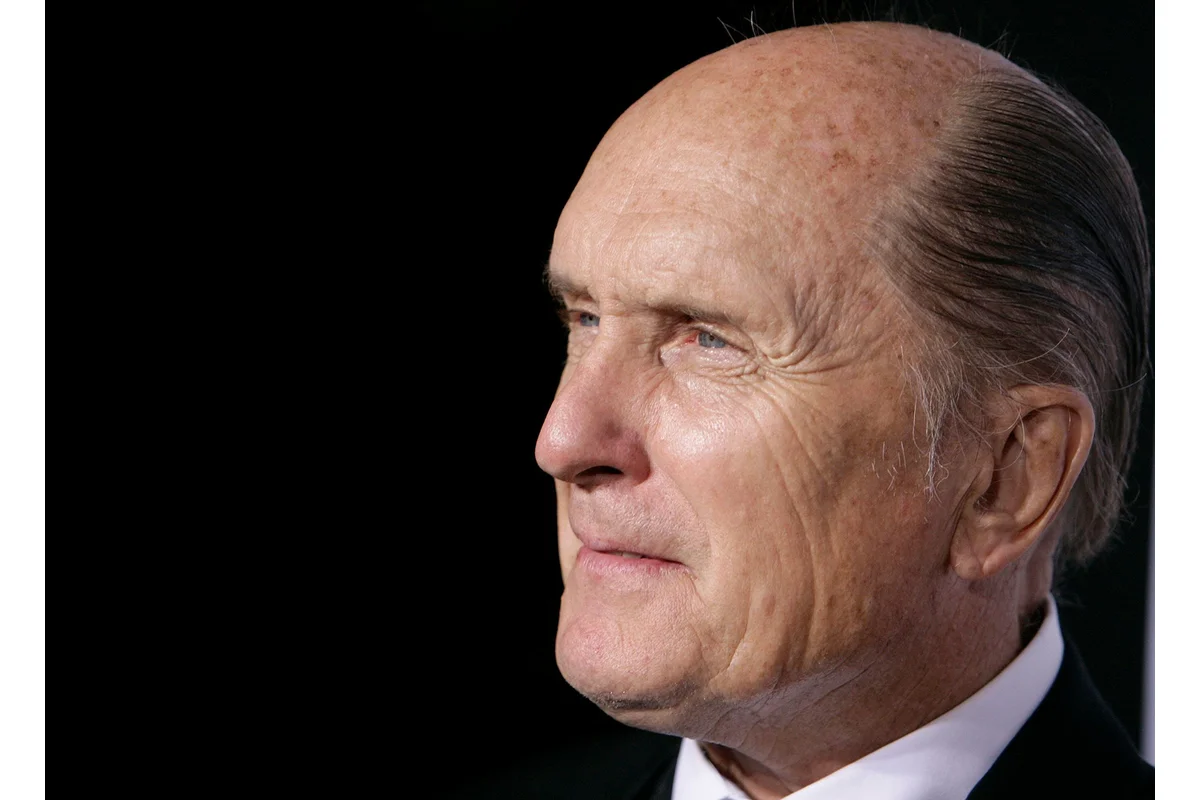
Just years later, Duvall took a much more forceful role in Coppola’s Vietnam War film Apocalypse Now, playing Lieutenant Colonel Bill Kilgore. The character’s infamous line,
“I love the smell of napalm in the morning,”
delivered in a bare-chested and cavalry-hatted portrayal, became one of the most iconic moments in film history. Duvall’s capacity to convey fierce intensity with few takes highlighted his skill and professionalism. Coppola once commented on Duvall’s approach to acting, saying,
“Actors click into character at different times — the first week, third week. Bobby’s hot after one or two takes.”
Though nominated for Academy Awards as a supporting actor for both The Godfather and Apocalypse Now, Duvall was notably absent from the third installment of The Godfather series due to a dispute over compensation. His decision to decline the role was publicly tied to frustrations over being offered less than his co-stars, a loss deeply felt by fans and colleagues alike.
Oscars and Other Noteworthy Roles
Robert Duvall won the Academy Award for Best Actor in 1984 for his role in Tender Mercies, playing Mac Sledge, a troubled singer and songwriter. His acceptance style captured attention as he wore a cowboy tuxedo with a Western tie, reflecting his deep connection with the character. His dedication to storytelling was also evident in The Apostle (1998), a film he wrote, directed, starred in, produced, and largely financed. This drama about a Southern evangelist was the result of twelve years of diligent scriptwriting and extensive research in country churches.
Duvall also earned an Oscar nomination in his mid-80s for the supporting role as the title character in The Judge (2014), where he portrayed a judge accused of causing a hit-and-run death. His later works included notable appearances in Widows and 12 Mighty Orphans, exemplifying his continued commitment to both film and complex characters well into his later years.
Iconic Characters Across Genres
Throughout his career, Duvall brought to life a wide range of characters, from the outlaw gang leader ambushed by John Wayne in True Grit, to the infamous outlaw Jesse James in The Great Northfield Minnesota Raid. He also portrayed the pious yet beleaguered Frank Burns in M-A-S-H and the ruthless TV executive in Network. Audiences saw him as Dr. Watson in The Seven-Per-Cent Solution and as the harsh military father in The Great Santini.
Personal Background and Influences
Born in 1931, Robert Selden Duvall grew up amid Navy towns such as Annapolis and San Diego, where his father served as a Navy admiral. Moving frequently due to his father’s assignments exposed Duvall to various regional cultures and military life, enriching his understanding of diverse speech patterns and the psyches of service members. These experiences deeply influenced his portrayals of military and authority figures in several films.
Of his father, Duvall shared in 2003,
“My dad was a gentleman but a seether, a stern, blustery guy, and away a lot of the time.”
This complicated relationship informed his role as the explosive officer in The Great Santini, based on Pat Conroy’s novel. Additionally, Duvall inherited a love of performance from his mother, who was an amateur actress, and as a youth, he was an accomplished wrestler who enjoyed besting opponents older than himself.
Legacy and Lasting Impact
Robert Duvall’s passing closes the chapter on one of Hollywood’s most dedicated and versatile actors. His work, spanning subtle supporting roles to commanding leads, has left an indelible mark on cinema and storytelling. Recognized for his art with a National Medal of Arts in 2005, Duvall’s career is a testament to relentless pursuit of authenticity in character portrayal.
As fans and colleagues remember him, his influence will continue to inspire performers and audiences alike. The depth and nuance he brought to roles enriched films that remain critical to American cinema, and his contributions to the craft will be cherished for generations to come.
Related semantic context: related coverage · external reference.
