
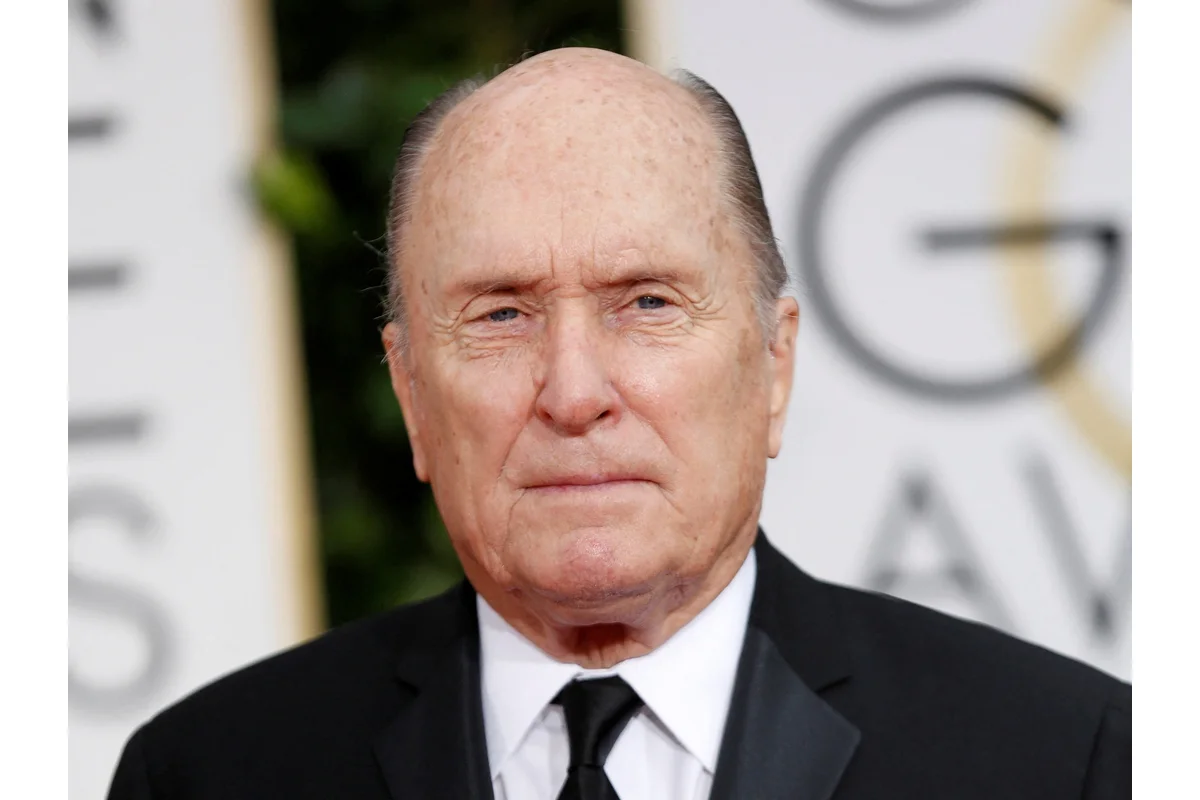
Robert Duvall, the celebrated American actor renowned for his iconic performances in films such as The Godfather and Apocalypse Now, passed away at the age of 95, according to an announcement by his wife. His death marks the loss of a versatile and deeply committed artist whose work left a significant imprint on Hollywood.
Legendary Career Highlighted by Oscar Triumph and Memorable Roles
Duvall earned widespread acclaim over a career spanning nearly a century, receiving seven Oscar nominations and winning once for his portrayal of a faded country singer in the film Tender Mercies. He gained particular fame for his role as Tom Hagen, the trusted consigliere of the Corleone Mafia family in The Godfather series, establishing himself as a formidable presence on screen.
Beyond these defining roles, Duvall portrayed complex characters such as Lieutenant Colonel Bull Meechum in The Great Santini and Stalin in the eponymous film. He also explored themes of personal struggle and redemption in Tender Mercies and The Apostle, the latter of which he wrote, directed, and received an Oscar nomination for portraying a troubled preacher.
Personal Insights and Early Influences
Born to a US Navy admiral and an amateur actress, Robert Duvall spent his formative years in Annapolis, Maryland. After completing his education at Principia College in Illinois, he served in the US Army before moving to New York City. There, he shared housing with Dustin Hoffman and developed friendships with actors like Gene Hackman during their early days as struggling students honing their craft.
Breakthrough Performances and Collaborations
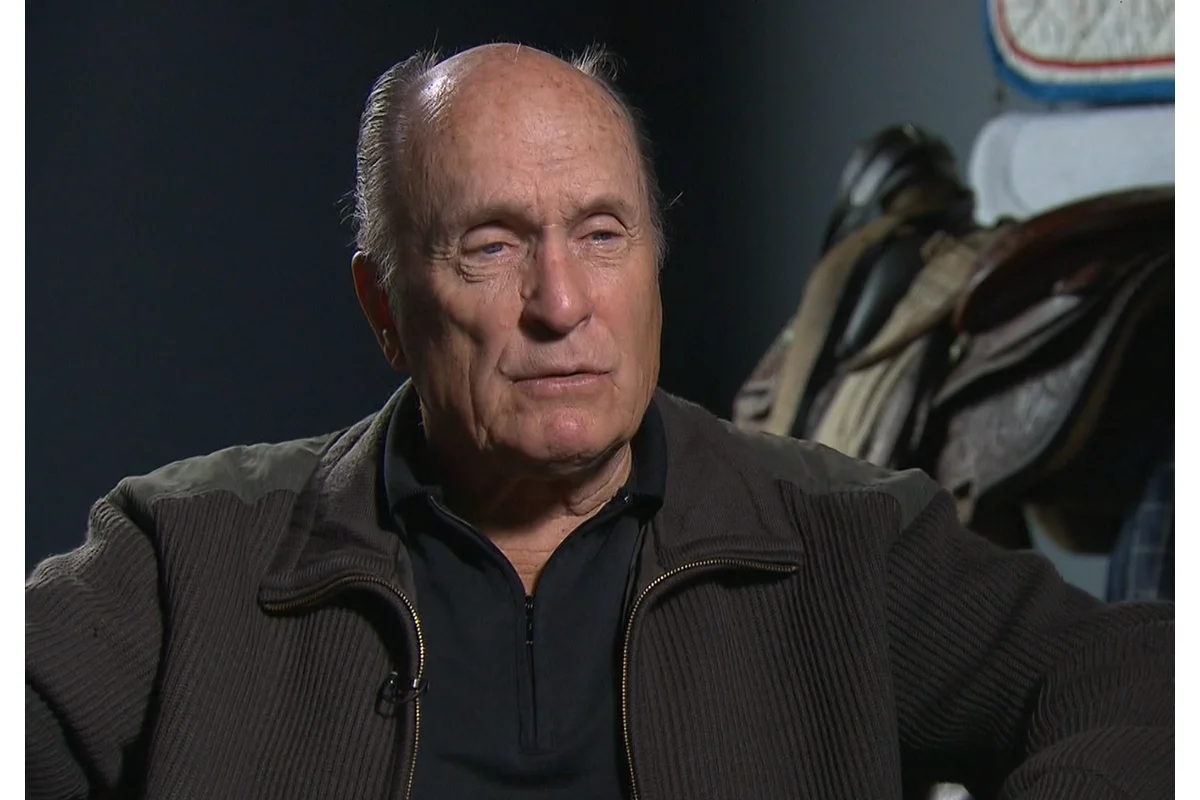
Duvall’s cinematic breakthrough came with his portrayal of Boo Radley, the enigmatic recluse in To Kill a Mockingbird. This role came at the recommendation of Horton Foote, the film’s screenwriter, who was impressed by Duvall’s stage performances. Foote later penned Tender Mercies, the film that earned Duvall his Academy Award for Best Actor.
His collaboration with esteemed director Frances Ford Coppola brought him further recognition, particularly for his role as the unhinged Lieutenant Colonel Bill Kilgore in Coppola’s Vietnam War epic Apocalypse Now. The character’s memorable line,
“I love the smell of napalm in the morning,”
remains one of cinema’s most iconic quotes.
Extensive Filmography and Independent Projects
Robert Duvall appeared in nearly 100 films, ranging from major Hollywood productions to independent projects. When disillusioned with the studio system, he pursued personal filmmaking ventures, including writing and directing Assassination Tango, which showcased his affection for the tango dance and Argentine culture. It was in Argentina that he met his fourth wife, Luciana Pedraza.
In his later years, Duvall divided his time among Los Angeles, Argentina, and a Virginia farm where he transformed a barn into a tango dance hall, blending his artistic passions with his personal life in a unique way.
Tributes from the Film Community Celebrate His Legacy
News of Duvall’s passing prompted an outpouring of respect and admiration from his peers. Actress Luciana Duvall expressed deep appreciation for his dedication, stating,
“For each of his many roles, Bob gave everything to his characters and to the truth of the human spirit they represented.”
Actors who worked alongside him also paid tribute. Adam Sandler described Duvall as
“one of the greatest actors we have ever had,”
while Michael Imperioli praised him as “one of the best ever” and affectionately referred to him as “an actor’s actor.”
The Enduring Impact of Robert Duvall’s Work
Robert Duvall’s career has left an indelible mark on the acting world, blending powerful character portrayals with a deep commitment to authentic storytelling. His ability to embody diverse and complex roles ensured a lasting influence on both audiences and fellow performers. As the film community reflects on his achievements, his contributions to cinematic arts continue to inspire future generations.
The news of Robert Duvall Oscar death saddens Hollywood and fans alike, marking the end of an era defined by his remarkable talent and unwavering dedication to his craft.
Related semantic context: related coverage · external reference.
