
Ethan Hawke is the primary entity for this article, supported by Entertainment topic context.
Related WII context: related keeper article. External authority context: industry context.
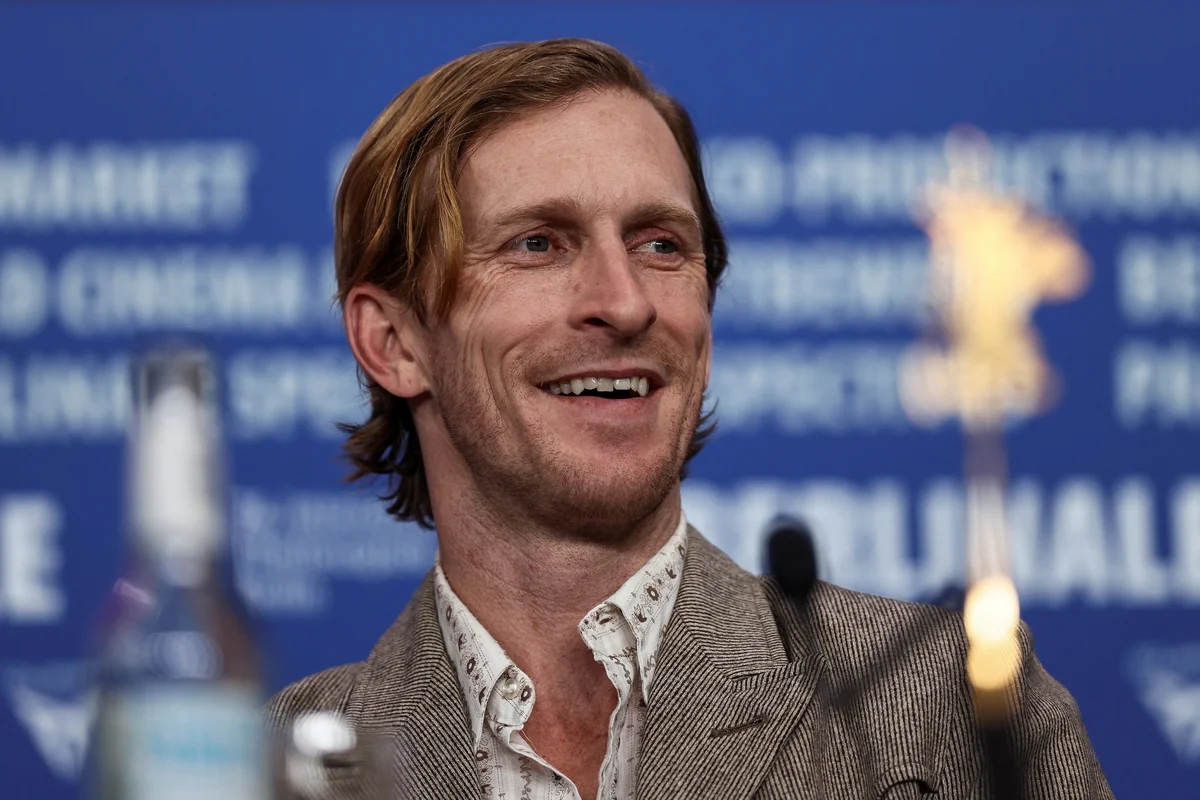
At the 2026 Berlin Film Festival, Ethan Hawke, the Oscar-nominated actor, shared his views on the often-debated topic of actors engaged in political discussions. While acknowledging that actors like himself may not be the ideal sources for political guidance, Hawke emphasized the significant impact cinema holds in shaping collective awareness. His reflections came during the press conference for his historical drama, The Weight, amidst growing political tensions surrounding the festival’s events.
Hawke Highlights Limits of Celebrity Authority in Political Discourse
When questioned about the responsibility actors bear in addressing issues such as fascism, Hawke approached the topic with a mixture of humor and candor. He conceded that artists, often tired and distracted by the demands of their craft, are not the best pillars of spiritual or political counsel.
Alright the last place you probably want to look for advice in your spiritual counsel is a bunch of jet-lagged, drunk artists talking about their films.
This candid remark was met with laughter and applause, underlining his skepticism about celebrities as authoritative voices on complex political matters.
Belief in Cinema’s Power to Shape Collective Dreams and Moral Consciousness
Despite distancing himself from being a political guru, Hawke affirmed his faith in the transformative potential of film. He spoke about cinema as a medium that influences how people dream and mentally prepare themselves for life’s challenges.
I believe in the power of cinema to affect you know how every night we all dream and those dreams kind of heal us and get us ready for the next day? I feel like, collectively, the whole festival – all of you, all of us here – are responsible for creating an international dream life.
According to Hawke, this collective shared experience nurtures a form of global consciousness through storytelling and artistic expression.
The Weight’s Central Theme of Unexpected Unity Against Injustice
Hawke expressed a deep personal connection to The Weight, as it tackles the theme of disparate individuals uniting for a common cause. The film portrays characters who believe they have little in common but come together to combat systemic cruelty and greed.
Don’t think they have anything in common who band together to fight institutional greed and malevolence. And that’s worth fighting for.
Hawke firmly voiced his support for opposing fascism without reservation.
Anything that fights fascism, I’m all for it.
Festival’s Political Context and Calls for Accountability
Politics naturally dominated conversations at the Berlinale, with particular focus on sensitive topics like Gaza, immigration enforcement raids, and the rise of far-right ideologies across the world. These issues stirred controversy after jury president Wim Wenders, along with several celebrities, declined to address questions related to these matters. An open letter signed by over 80 festival participants, including renowned figures such as Tilda Swinton, Javier Bardem, and Adam McKay, openly criticized the festival’s silence on the Gaza conflict, sparking wider debates.
Actors’ Political Statements and the Backlash They Face
Responding to the contentious climate at the festival, Hawke acknowledged the common backlash actors experience when voicing opinions on political topics. Addressing this, he said that actors have often been told not to meddle in politics: Actors shouldn’t talk about politics, as he noted referencing previous criticism. Yet he maintained a broader democratic ideal, emphasizing inclusivity of diverse opinions and personal responsibility as global citizens.
Everybody should be – we’re all citizens of the world and all of us matter, all of us have a voice and everybody’s welcome to disagree.
Artists’ Primary Contribution is Through Their Craft, Not Political Expertise
Hawke reiterated that the essence of an artist’s role lies in storytelling rather than acting as intellectual leaders or political strategists. He humbly stated,
We’re just sharing art. We’re not some of the greatest minds in the world that try to make the planet live in peace.
Nonetheless, Hawke stressed that artists and citizens alike carry the moral obligation to advocate for a better future for coming generations, connecting their creative work to a broader ethical purpose.
Plot and Cast Highlights of The Weight
The Weight, which had its world premiere last month at the Sundance Film Festival, follows a group of desperate convicts on an arduous journey through a physically and morally harsh wilderness. Ethan Hawke plays the reluctant but ingenious lead, while Russell Crowe stars as a quietly threatening counterpart. Julia Jones features as Anna, the only woman in the group, adding a distinct dynamic to the ensemble.
The Broader Implications of Hawke’s Views on Celebrity and Politics
Hawke’s reflections underscore the ongoing tension between celebrity influence and political discourse in today’s polarized climate. His perspective suggests that while actors should be cautious in overstepping into political leadership, they can still contribute meaningfully by fostering empathy and reflection through their cinematic work. The debates sparked at the Berlin Film Festival highlight the challenges cultural institutions face when balancing artistic freedom with political sensitivity globally.
