
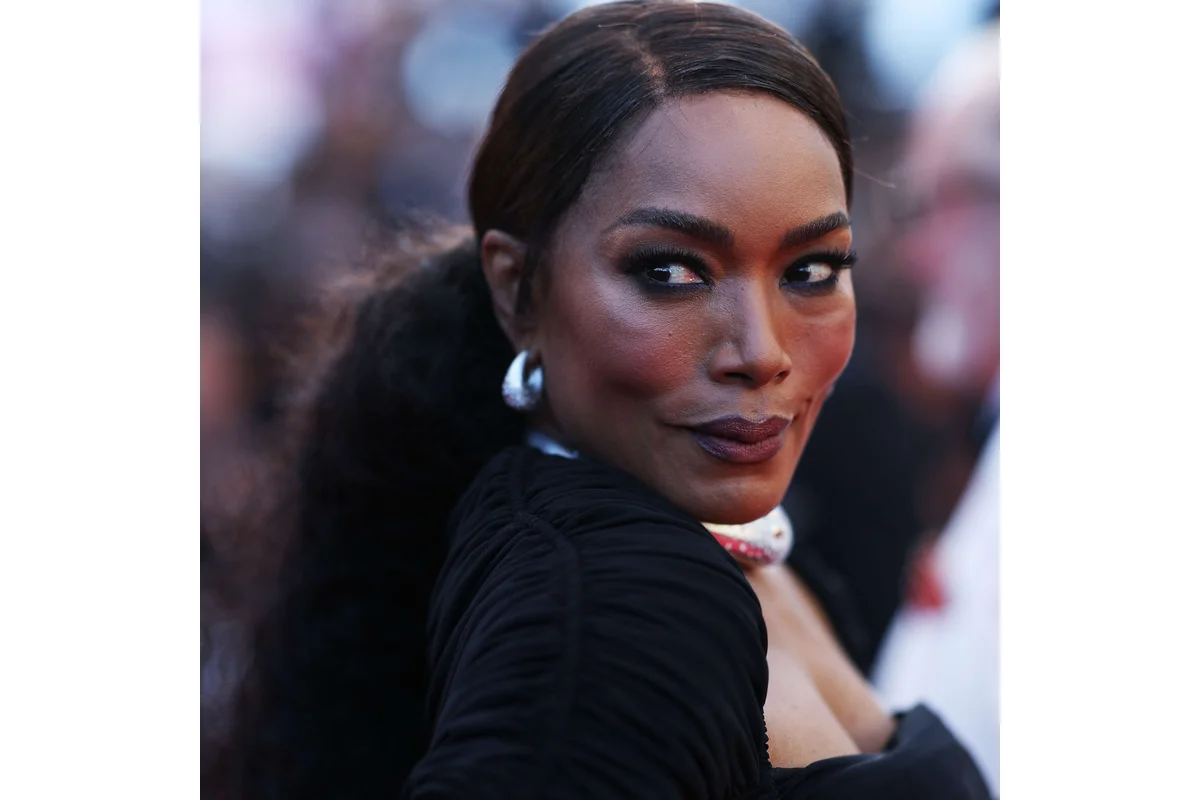
Actress Keke Palmer recently shared that she is “almost 100% sure” she identifies as asexual, sparking discussion about what asexuality truly entails. Palmer’s revelation comes amid her ongoing exploration of her sexuality and challenges the assumptions around romantic and sexual identities in today’s society.
Known for her role in Scream Queens, Palmer had previously avoided labeling her sexuality but revealed her feelings during a Valentine’s Day message when she stated,
“Absolutely nothing romantic went down, crazy right! I’m so cute!”
and added,
“I like no one and I’m almost 100% sure I’m assexual. I have no interest in anyone, but I wish I did.”
This candid admission invites a closer look into the meaning of asexuality and its wider context.
Understanding the Concept of Asexuality
Asexuality, often abbreviated as “ace,” refers to a sexual orientation where an individual does not experience sexual attraction towards others. According to Stonewall, a notable LGBTQ+ organization, an asexual person is someone who lacks sexual attraction. However, the experience of asexuality varies widely across individuals, similar to other communities, including straight and LGBTQ+ people. Each person may navigate relationships, attraction, and arousal in unique ways, using the term to describe an aspect of their identity and experience.
How Asexuality Differs from Celibacy
There is a common misunderstanding that asexuality is synonymous with celibacy, but the two are fundamentally different. Celibacy is a conscious decision to abstain from sexual activity, whereas asexuality is an intrinsic sexual orientation. The Asexuality Visibility and Education Network (AVEN) clarifies that,
“Unlike celibacy, which is a choice, asexuality is a sexual orientation.”
The emotional needs of asexual individuals are similar to those of others, and they can form deep, intimate relationships despite the absence of sexual attraction. For example, Steve Winter and his partner Thom Gray, who identify as asexual and homoromantic, described their relationship as sharing all components of a couple’s life except sex. Steve explained,
“Celibacy is a choice. Asexuality, like being gay, straight, bi, trans, etc, is how you are wired,”
emphasizing,
“Quite simply, you are born this way!”
Thom further detailed,
“The reality is, we do everything a couple does except sex. So that means cuddling, physical contact, romantic gestures, etc.”
He added,
“Normally you wouldn’t see your friends having sex, so why would an asexual couple appear any different in comparison to any other couple?”
Their experiences highlight the normalization and validity of non-sexual romantic partnerships.
The Struggles of Discovering and Accepting Asexuality
The prevalence of asexuality remains uncertain, with only limited research indicating about one percent of the global population might be asexual, though many believe the actual numbers are higher. This lack of awareness contributes to difficulties for asexual people in understanding and embracing their identity, as many are unfamiliar with the term itself.
Steve Winter only discovered the term asexuality a few years ago when he encountered it on a Gaydar profile. With guidance from Stephen Lloyd, who introduced him to AVEN and related resources, Steve found clarity. He shared,
“This could not have happened at a better time, as I was finding myself to be heading towards a really dark place where I was convinced that I was broken, and that something was wrong with me as I didn’t experience the same feelings towards other individuals that my friends did.”
Thom Gray reflected similarly, saying,
“Looking back, I realised I have always been asexual, but it sadly took some bad experiences whilst identifying as gay to find that out.”
The couple’s challenges stemmed from societal pressures and expectations about how they should feel and behave sexually. They have since created a YouTube series titled Pieces of Ace since 2015, which explores asexuality and their personal journeys.
Variations in Attraction, Relationship Desires, and Arousal
Asexual individuals express wide-ranging experiences in attraction, relationships, and sexual arousal. Some enjoy sexual activity frequently, some seek romantic partnerships, while others experience little or no sexual arousal. Among asexual people, some may prefer solitude, whereas others desire intimacy and emotional closeness without sex.
Importantly, asexual people can experience romantic attraction and identify with traditional labels such as lesbian, gay, bisexual, or heterosexual. For instance, many asexual individuals define their romantic orientation separately, with terms like heteroromantic, homoromantic, biromantic, or panromantic—the latter indicating attraction regardless of gender. Sexual arousal may occur without the urge to engage sexually with others. Some asexual people masturbate but do not pursue sexual relationships, while others report little to no arousal at all.
Media Portrayals of Asexuality
Popular media have begun to include asexual characters, helping enhance awareness. One significant example is Todd Chavez, a character voiced by Aaron Paul in the animated series Bojack Horseman. Todd identifies as asexual during the show’s fourth season, informing Bojack with the line, “I think I’m… asexual.”
This revelation prompts Bojack’s humorous but uninformed reaction:
“A sexual what? Dynamo? Deviant? Harassment lawsuit waiting to happen?”
Todd clarifies,
“No, asexual – not sexual. I’m sure you think that’s weird.”
Bojack responds lightheartedly,
“Are you kidding? That’s amazing. Sometimes I wish I was asexual. Maybe then I wouldn’t have a strain of herpes.”
In a heartfelt moment, Todd declares,
“It actually feels nice to finally say it out loud. I am an asexual person. I am asexual.”
The representation was warmly received by viewers, one commenting,
“As an asexual person, I could not ask for a better character to be that representation, and the whole process of Todd’s self-discovery journey was handled so well.”
Another expressed emotion, saying,
“As an asexual, for this to be happening in a popular TV show is so amazing I’m literally crying!! Asexuality deserves so much more representation and support. I receive daily hate because of it,”
adding,
“I wish everyone was like Bojack and [replied] positively.”
Organizations Supporting Asexual Awareness and Community
The Asexual Visibility and Education Network (AVEN), established in 2001, is a leading resource aimed at increasing public understanding and acceptance of asexuality. It provides a safe space for individuals who identify as asexual, those questioning their sexuality, their families and friends, as well as academic researchers and journalists seeking accurate information.
Another notable organization is the Movement for Asexuality Awareness, Protection, Learning and Equality (MAAPLE). This charity highlights that improving conditions for asexual individuals positively affects society as a whole. MAAPLE focuses on three key challenges faced by the asexual community: inequality, a lack of awareness, and the scarcity of visible role models.
Both AVEN and MAAPLE continue to be vital resources for education, outreach, and community building, underscoring the growing acknowledgement and respect for diverse sexual orientations.
Keke Palmer’s openness about her asexuality brings greater visibility to this often misunderstood orientation, creating space for dialogue and understanding. As figures like Palmer and media portrayals such as Todd Chavez expand public knowledge, asexual individuals may find more acceptance and empowerment to live authentically. Organizations like AVEN and MAAPLE are expected to play an increasingly critical role in fostering awareness and equality within society.

Related semantic context: related coverage · external reference.
