
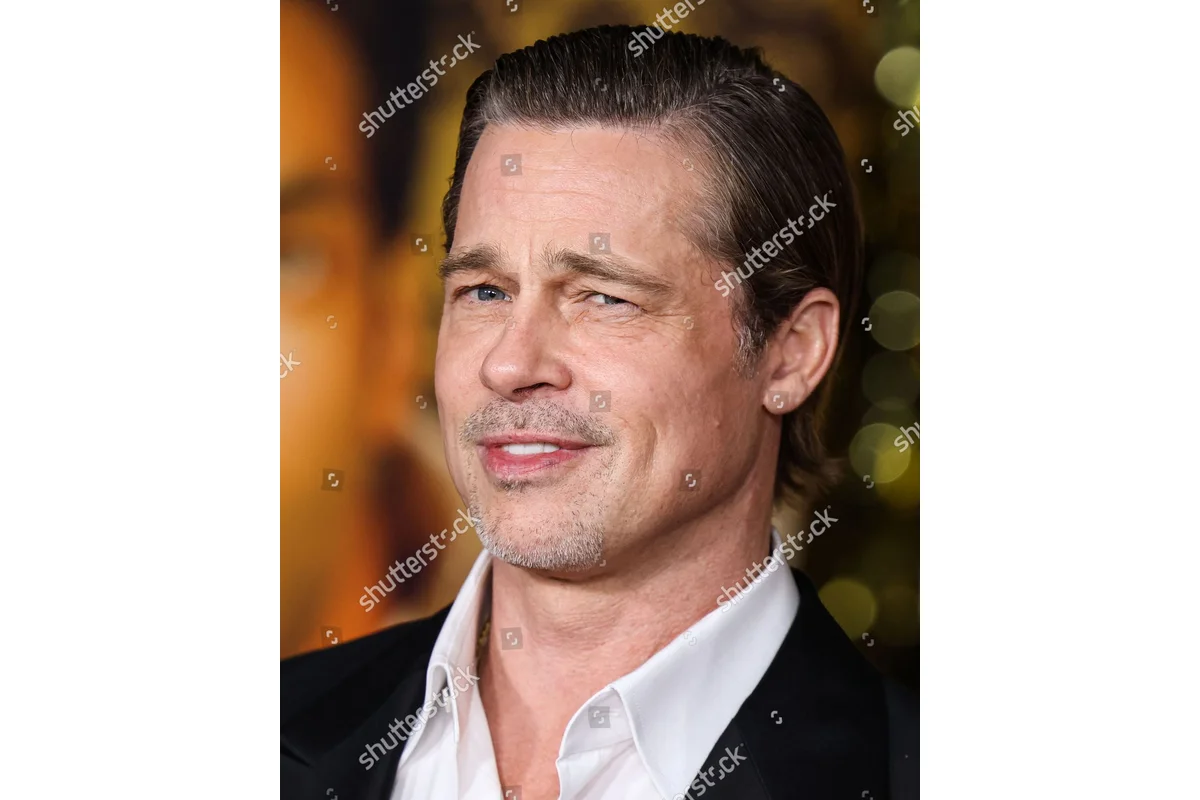
Edward Zwick’s upcoming memoir reveals the intense and often volatile dynamic between Brad Pitt and himself during the making of the 1994 film Legends of the Fall. Described as a rocky collaboration, the tension stemmed from divergent artistic views and personal clashes, unfolding against the expansive Montana backdrop where the epic Western was shot. This deep dive into their working relationship highlights the challenges of managing creative differences while bringing a story to life, shedding light on the Brad Pitt director feud that troubled the production.
Zwick’s recollection appears in Hits, Flops, and Other Illusions: My Fortysomething Years in Hollywood, set for a 2024 release with Vanity Fair. The memoir details how Pitt, cast as Tristan Ludlow after Tom Cruise‘s withdrawal, entered the project amid his rise as a Hollywood star but was uncertain about the role and the film’s direction. After the initial script reading, Pitt’s hesitation surfaced strongly when his agent contacted Zwick with news that the actor considered quitting, signaling trouble early in the filming process.
Conflicts Emerge During Production
The early shakeup marked the beginning of a challenging partnership. Zwick points to producer Marshall Herskovitz’s role in calming Pitt’s anxieties, revealing the emotional turbulence beneath Pitt’s seemingly relaxed exterior.

“It fell to producer Marshall Herskovitz to talk Brad down,”
Zwick writes.
“It was the first hint of the deep emotions simmering inside Brad. He might appear laid-back at first, but he can be explosive when he’s angry, as I would find out several times early on as we got to know each other.”
The director admits that despite his experience, the collaboration was difficult. Pitt’s discomfort with portraying intense emotional scenes intensified the strain. Zwick explains,
“Sometimes, no matter how experienced and sensitive you are as a director, things just don’t work,”
further noting that Pitt
“became anxious when approaching a scene requiring intense emotion.”
The key frustration arose from conflicting interpretations of the character Tristan. Zwick viewed the role as an embodiment of hardship and internal struggle, rooted in a rugged masculinity shaped by emotional restraint. Contrary to this, Pitt resisted the director’s push to show vulnerability. Zwick recalls,
“Our visions for Tristan were different. Brad had grown up around men who held their emotions in check; I believed the novel’s message was that a man’s life is the sum of his hardships. […] The more I pushed for Brad to reveal himself, the more he resisted. So, I kept pushing, and Brad kept resisting.”
Explosive On-Set Altercations
The tension eventually spilled into public confrontations during filming. Zwick recounts an incident where he gave Pitt instructions in front of the entire crew, an act he later described as a “stupid and humiliating provocation.” The moment escalated quickly when Pitt loudly demanded,
“Brad responded loudly too, telling me to leave him alone,”
writes Zwick.
“The logical solution would have been to ask the crew to take a break and to discuss it privately. But I was stubborn and refused to back down.”
The director reflects on his motivations, acknowledging his anger stemmed partly from Pitt’s initial hesitation to embrace the role and a personal struggle to remain vulnerable himself. Meanwhile, Pitt resisted being pressured into a portrayal he felt was
“more ’emo’ than he wanted to appear on screen.”
Zwick cannot clearly recall who initiated the chaos, stating,
“Who knows, maybe I was even showcasing my own inability to be vulnerable. But Brad wouldn’t be pushed around… I can’t recall who yelled first, who swore, or who threw the first chair. Maybe me? But when we looked up, the crew had vanished.”
These confrontations were not isolated; they became part of the atmosphere on set to the point that the crew learned to avoid the disputes. One crew member aptly summarized their feelings:
“We hate it when the parents fight.”
Moments of Understanding and Respect Amid Turmoil
Despite the volatility, Zwick acknowledges that their clashes were often followed by genuine reconciliation. He describes Pitt as fundamentally honest and straightforward, a person capable of warmth and joy, who consistently committed himself fully to his work. The director states,
“Brad Pitt is an honest and straightforward person, pleasant to be around, and capable of great joy. He always committed fully to giving his best.”
Legends of the Fall features Brad Pitt alongside actors Anthony Hopkins, Aidan Quinn, Julia Ormond, and Henry Thomas. Based on Jim Harrison’s novel, the story centers on three brothers and their father living in isolation in early 20th-century Montana. The film earned three Oscar nominations, winning the award for Best Cinematography, credited to John Toll.
Lingering Dissatisfaction After Completion
Even after the film’s completion, uncertainties lingered for Pitt regarding his portrayal of Tristan. Zwick notes that Pitt felt his character’s madness was understated in the final version.
“In reality, I had only cut one shot from the scene where Tristan, feverish, screams as the waves engulf him on the schooner,”
Zwick recalls.
“But it was a shot he loved, and it would have been too short to keep; I should have done it.”
Pitt’s discomfort extended beyond the film. He reportedly disliked being called “Sexiest Man of the Year” by People magazine, a title that Zwick clarifies he neither endorsed nor influenced.
Enduring Impact of a Fraught Collaboration
The tension between Brad Pitt and Edward Zwick during the making of Legends of the Fall reflects the complex realities behind artistic collaborations, especially when strong personalities and divergent visions collide. This Brad Pitt director feud not only shaped the film’s challenging production but also speaks to the emotional demands actors and directors endure in pursuit of authentic storytelling.
For audiences familiar with Pitt’s later career, these behind-the-scenes struggles offer a rare glimpse into the pressure-filled circumstances that early Hollywood projects can entail. As Zwick’s memoir releases, more revelations may come to light, inviting reflection on how conflict and creativity intertwine in the world of filmmaking.
Related semantic context: related coverage · external reference.
