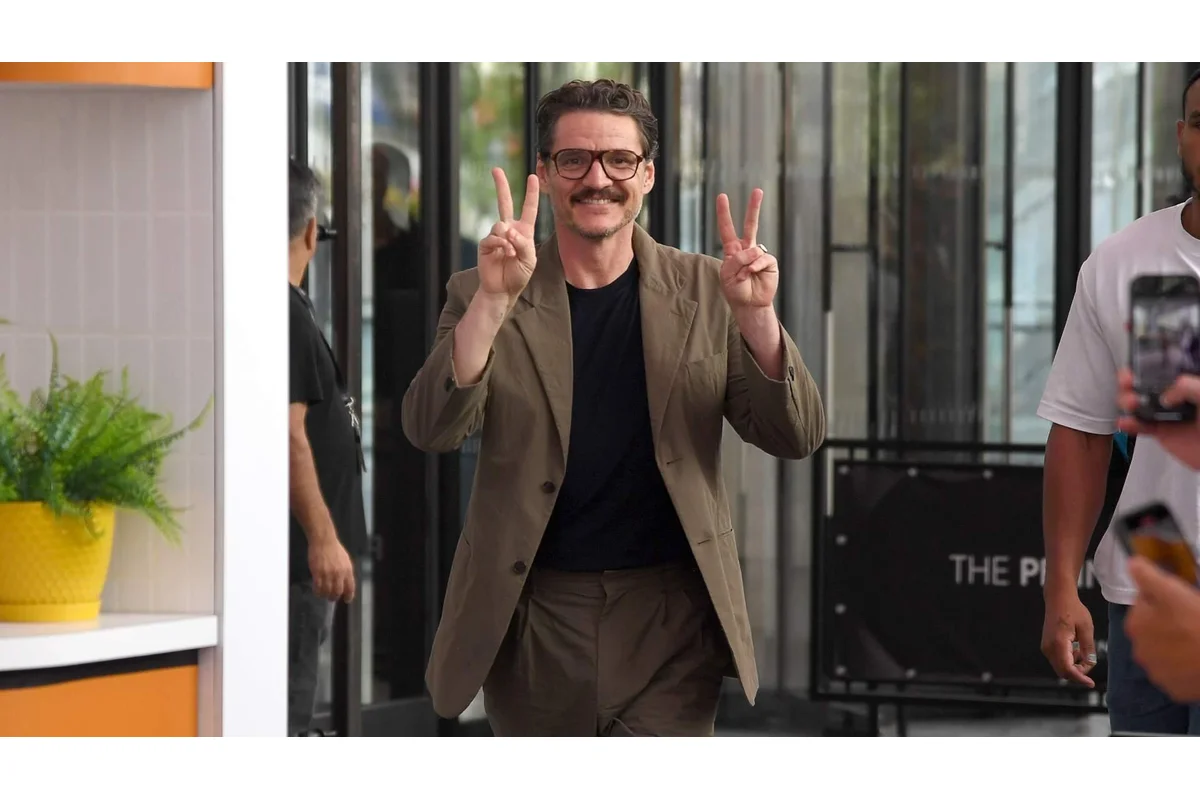
Pedro Pascal’s public display of affection has reignited conversations about masculinity and representation in the entertainment industry. Recently photographed walking arm-in-arm in New York City with Argentine director Rafael Olarra, Pascal’s gesture drew attention not only because he is a major film and television star but also because such openness between two men in the public eye challenges traditional norms. While neither Pascal nor Olarra has clarified their relationship, the images underscore the evolving dialogue on how masculinity is expressed and perceived, particularly for high-profile figures.
The Meaning Behind the Images of Pascal and Olarra
Pascal and Olarra were captured by paparazzi strolling closely together, even sharing affectionate contact. Later, they were seen watching Wuthering Heights together. The unspoken nature of their connection has sparked curiosity but also broader reflection on public displays of affection between men. Pedro Pascal has been a private figure concerning his personal life, never publicly discussing his romantic relationships. However, his actions here contribute to a growing movement challenging outdated conventions around male relationships and visibility, especially in Hollywood’s traditionally heteronormative environment.
Pedro Pascal’s Role in Redefining Masculinity and Advocating for LGBTQ+ Visibility
Pedro Pascal has long supported the LGBTQ+ community and has been recognized for embodying a modern form of masculinity that defies conventional macho stereotypes. Pascal’s willingness to show sensitivity and vulnerability, both in his career and public appearances, has positioned him as a role model. Ian Carlos Crawford noted in Men’s Health,
Image of: Pedro Pascal
“Whether or not he’s actively aware of how this modern approach to masculinity contributes to his likeness, one thing is clear: he’s setting an example for other men in Hollywood, but most importantly a new generation of Latinx men,”
highlighting Pascal’s influence across cultural lines.
The Broader Impact of Pascal’s Visible Affection in Hollywood
The significance of Pascal’s public affection extends beyond individual relationships. For decades, openly gay or queer stars faced career limitations and social marginalization in Hollywood. The portrayal of two men engaging in affectionate behavior publicly challenges these long-standing barriers. The symbolism of Pascal’s actions reflects shifting attitudes in an industry often slow to embrace diversity fully. As Óscar Muñoz, co-director of the Business Network for LGBTI Diversity and Inclusion (REDI), told EL PAÍS,
“If two men can openly express their affection and closeness in the street, it means we’re doing something right as a society. Those of us in the LGBTQ+ community know this all too well, as we’ve learned to hide preventively for fear of suffering attacks or discrimination, which are still common,”
Visibility and Role Models as Catalysts for Social Change
Muñoz emphasized the importance of public role models, especially outside of artistic circles.
“It’s crucial to have visible role models, who tend to be more frequent in the art world, but less common in other contexts,”
he explained.
“When someone comes out publicly or in the workplace, whether as part of the community or as an ally, they are sending a message of courage and confidence, which can encourage others to feel safe to do the same.”
Jorge Suquet, an actor, expressed mixed feelings about the attention on Pascal’s public closeness with Olarra.
“The fact that Pascal walks around like this with Olarra seems worthy of daily celebration to me, but what saddens me is that it’s still a topic of conversation,”
Suquet remarked.
“I worry about all those people who aren’t as well-known as the actor and who don’t dare to be completely free enough to express themselves and live as they please.”
Continuing Challenges for LGBTQ+ Individuals in Entertainment
Suquet added that despite progress, fear still hampers openness in acting.
“The more all kinds of ways of being, loving, and living are normalized, the better it will be for everyone. In the world of acting, unfortunately, there’s still fear, which is paradoxical considering it’s a seemingly liberal and open profession. Because then, when it comes to deciding who plays which characters, many factors come into play, including sexual orientation. We know that many people still hide it because it undeniably limits the roles they can get. Perhaps Pedro Pascal and Rafael Olarra are just friends, but showing this closeness already puts them in a vulnerable position.”
Pascal’s Personal Commitment to LGBTQ+ Advocacy
In an interview with Wired, Pedro Pascal expressed frustration over not doing enough for the LGBTQ+ community, reinforcing his commitment to marginalized groups.
“My entire heart is set on, you know, the marginalized underdog. It’s not a choice. Like, how dare anyone not support the people that are deserving of support, and are deserving of protection and need more of it than you do,”
Pascal said.
When asked why many actors avoid such stances to protect their careers, he replied,
“This feels like the barest minimum. Like, the barest minimum,”
adding,
“My personal hope is to seize the opportunity to be of service in ways that are true. […] The truth is that I don’t think I do nearly enough.”
Fear and Progress: Perspectives from Fellow Actors
Actor Fernando Guallar recently shared his experience regarding sexuality in the industry during the podcast Sabor a queer.
“I was very cautious during the early years of my career because I felt it could be a disadvantage when it came to getting certain roles,”
he admitted, referring to the previous lack of openly LGBTQ+ role models. Guallar pointed to stars like Jonathan Bailey as examples of progress:
“Now there are people who are very open about their sexuality and there are stars, like Jonathan Bailey. His public about his sexuality and his partner, and yet he’s the prince charming everyone wants.”
Changing Notions of Masculinity and Representation
David Velduque, host of the podcast, spoke to EL PAÍS about the repercussions of Pascal’s photos with Olarra.
“It’s incredibly interesting that we’re seeing the representation of other types of masculinities where being explicitly affectionate with another man is celebrated as something positive. I think it’s very important to have public visibility of two men who are openly affectionate with each other.”
Velduque elaborated on the cultural importance of such displays:
“These days there’s a lot of talk about the stars of Heated Rivalry and how affectionate they are with each other off-camera. It’s important to have role models who show us that it’s beautiful for two men to touch each other in public and that this doesn’t call into question their masculinity or their sexual orientation. For those of us who grew up without these role models, it’s vital. The representation and visibility through images that show we can care for and love each other in public is beautiful and liberating.”
The Lasting Significance of Visible Affection
Óscar Muñoz shared a story illustrating the deep-rooted fear many still feel about coming out publicly.
“Once, in a radio interview, I was asked what I thought about the fact that a famous Spanish singer had taken so long to come out. I replied that the real question wasn’t that, but rather why he had felt the need to hide it. And the answer is always the same: the fear of not being accepted and the lack of safe spaces and role models.”
The images of Pedro Pascal walking affectionately with Rafael Olarra resonate strongly because they reveal alternative expressions of affection during a time when public vulnerability remains risky. Their openness counters a resurgence of toxic masculinity that threatens social progress, especially for younger generations. Whether the two are simply friends or partners is secondary to the impactful message their display delivers about love, identity, and courage in the public eye.
O AMOR ESTÁ NO AR!?
Nosso Senhor Fantástico, Pedro Pascal, e o diretor argentino, Rafael Olarra, foram fotografados em clima de romance enquanto caminhavam abraçados pelas ruas de Nova York, EUA.
A imprensa estadunidense especula que eles podem estar em um relacionamento.… pic.twitter.com/mueMOEsuqr