
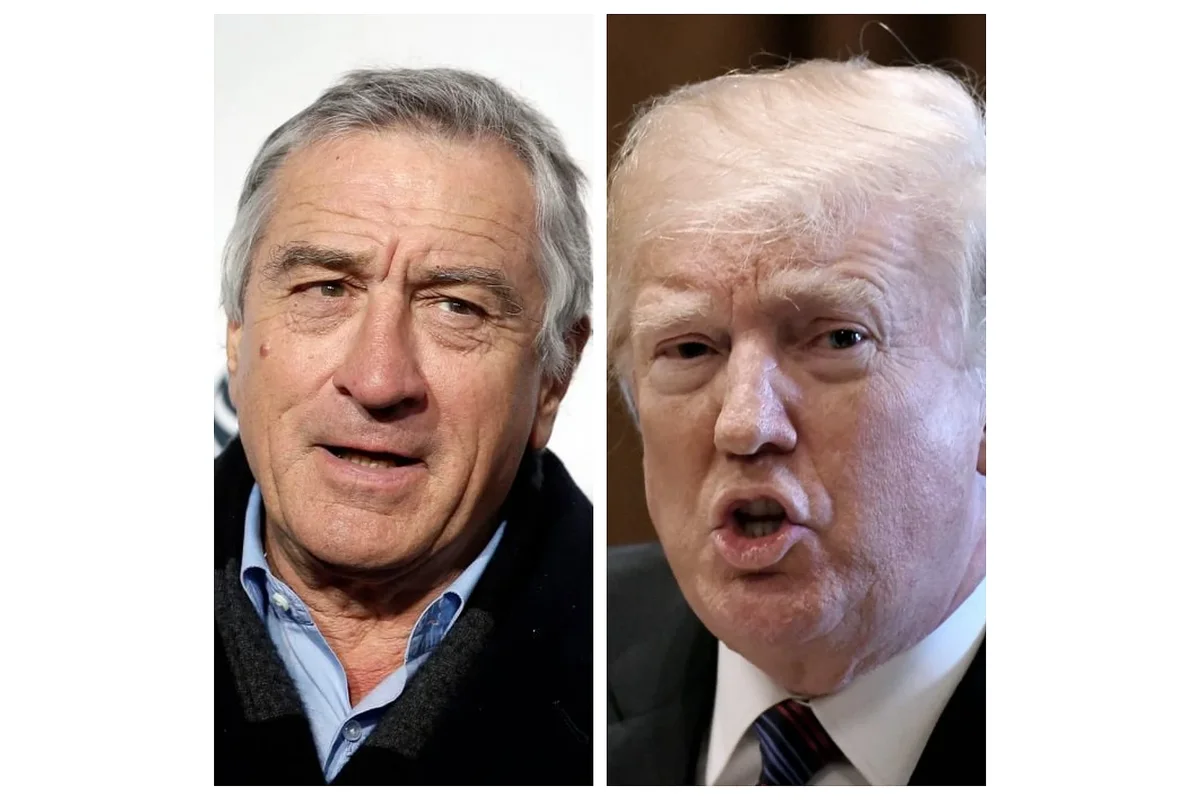
Trump Proposes Deporting Robert is the primary entity for this article, supported by Entertainment topic context.
Related WII context: related keeper article. External authority context: industry context.
On February 25, former President Donald Trump sparked controversy by suggesting that three of his opponents should be deported from the United States, including Robert De Niro, a natural-born American citizen. Trump made these remarks during an intense social media outburst, targeting the acclaimed actor alongside two Democratic Congresswomen, despite their U.S. citizenship or long-standing residency.
Trump’s Social Media Attack on De Niro and Congressional Critics
Trump directed his criticism through posts on his platform Truth Social, singling out Representatives Ilhan Omar and Rashida Tlaib, both Democrats known for their vocal opposition to him. According to NBC News, the two representatives had expressed strong disapproval during Trump’s State of the Union address, prompting the fiery response.
Launching his remarks with harsh language, Trump said,
“When you watch Low IQ Ilhan Omar and Rashida Tlaib, as they screamed uncontrollably last night at the very elegant State of the Union, such an important and beautiful event, they had the bulging, bloodshot eyes of crazy people, LUNATICS, mentally deranged and sick who, frankly, look like they should be institutionalized,”
conveying deep disdain.
He further added,
“When people can behave like that, and knowing that they are Crooked and Corrupt Politicians, so bad for our Country, we should send them back from where they came — as fast as possible. They can only damage the United States of America, they can do nothing to help it.”
The former president then shifted his focus to Robert De Niro, linking the actor to his political adversaries and accusing him of being mentally unstable. Trump alleged,
“They should actually get on a boat with Trump Deranged Robert De Niro, another sick and demented person with, I believe, an extremely Low IQ, who has absolutely no idea what he is doing or saying — some of which is seriously CRIMINAL!”
Trump disparaged De Niro’s emotional reaction to his speech, claiming the actor cried
“much like a child would do.”
He contrasted De Niro with Rosie O’Donnell, another frequent target of his criticism, stating,
“The only difference between De Niro and Rosie is that she is probably somewhat smarter than him, which isn’t saying much,”
before concluding,
“The good news is that America is now Bigger, Better, Richer, and Stronger than ever before, and it’s driving them absolutely crazy!”
Conflicts Arise Over Citizenship and Origins of Those Targeted
Trump’s threats to deport his opponents overlook important facts about their citizenship and background. Rashida Tlaib was born in Detroit, Michigan, making her a U.S. citizen by birth, and she holds the distinction of being the first Palestinian-American woman elected to Congress, as reported by the Detroit Free Press. Robert De Niro was born in New York City, confirming his American citizenship.

While Ilhan Omar was born in Somalia, she has been a naturalized U.S. citizen since 2000, according to Politico. Each individual’s American ties complicate Trump’s calls for deportation and highlight the political nature of his statements rather than legal practicality.
Tensions Prevail Following De Niro’s Speech During State of the Union
The spark for the escalation was De Niro’s heartfelt speech delivered the same night as Trump’s State of the Union address. The actor expressed feelings of betrayal by his country, intensifying the divide between Trump and his opposition. Earlier in the year, Omar also publicly challenged Trump after he implied that she had staged an attack during a town hall event, adding another layer to their ongoing disputes.
Potential Consequences and Political Ramifications
Trump’s proposal to deport individuals like De Niro and serving members of Congress not only stokes political tensions but also raises questions about the boundaries of rhetoric versus legal authority. His remarks echo previous inflammatory statements, further polarizing public discourse and highlighting unresolved debates about citizenship and loyalty.
As this issue unfolds, it may intensify scrutiny on how political figures use social media to target opponents and influence public opinion amid ongoing partisan conflicts in the United States.
