
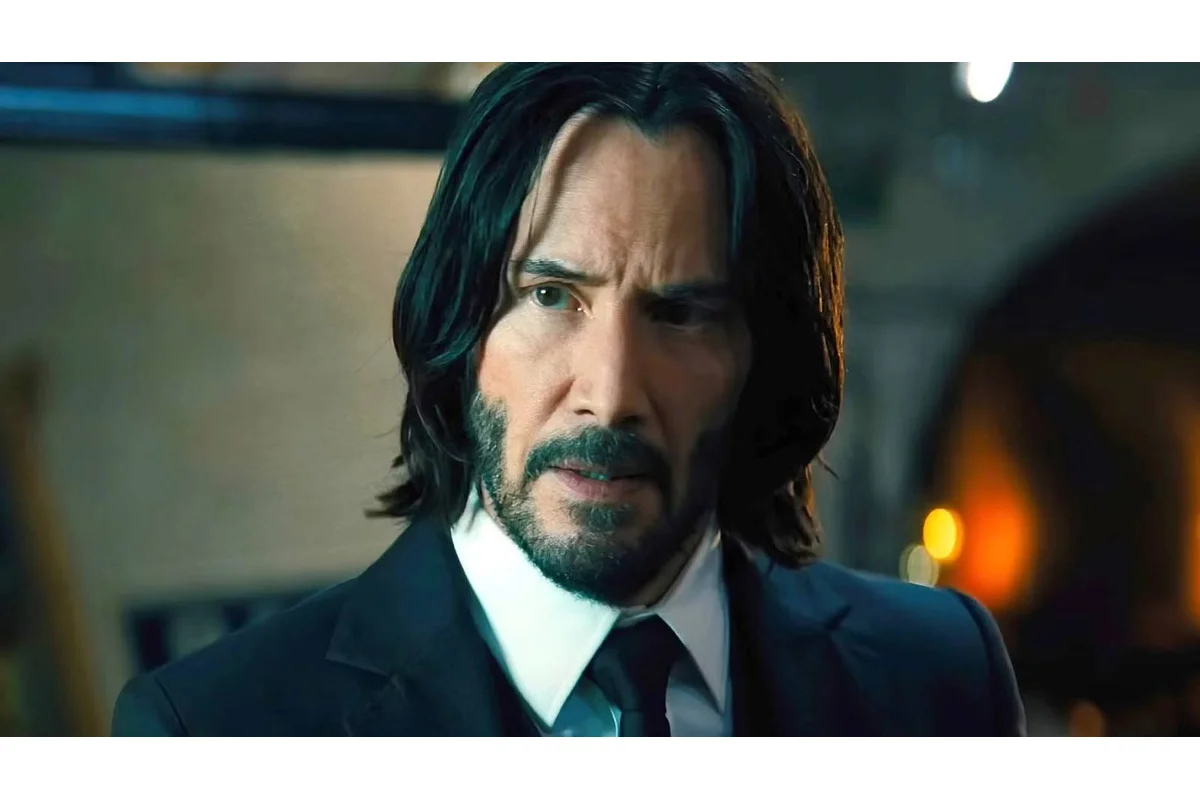
Keanu Reeves accepted substantial pay reductions more than once to ensure certain movies were made as originally intended. This Keanu Reeves pay cut included occasions when he gave up millions of dollars in salary, showcasing his commitment to the projects beyond personal financial gain.
Facilitating Casting Choices Through Salary Reductions
On the set of the 1997 movie The Devil’s Advocate, the producers aimed to cast Al Pacino but lacked the budget to afford him. To secure Pacino’s involvement, Reeves reportedly lowered his own pay by several million dollars, allowing funds to be reallocated for Pacino’s fee, according to ABC News. This move underlines a rare willingness among actors to alter their earnings for casting necessities.
Later, for the film The Replacements, Reeves took an even more drastic step by accepting a 90 percent pay cut. This decision enabled Gene Hackman to join the cast, further emphasizing Reeves’s prioritization of a strong ensemble over his paycheck.
Career Choices Reflecting Strategic Sacrifices
Beyond pay cuts, Reeves also declined to star in Speed 2 to participate in The Devil’s Advocate, a decision that critics consider wise, especially since Speed 2 faced harsh reviews while The Devil’s Advocate featured the well-respected Al Pacino. This choice highlights how Reeves’s decisions sometimes combined artistic judgment with willingness to make sacrifices.
Sharing Profits and Recognizing Crew Contributions
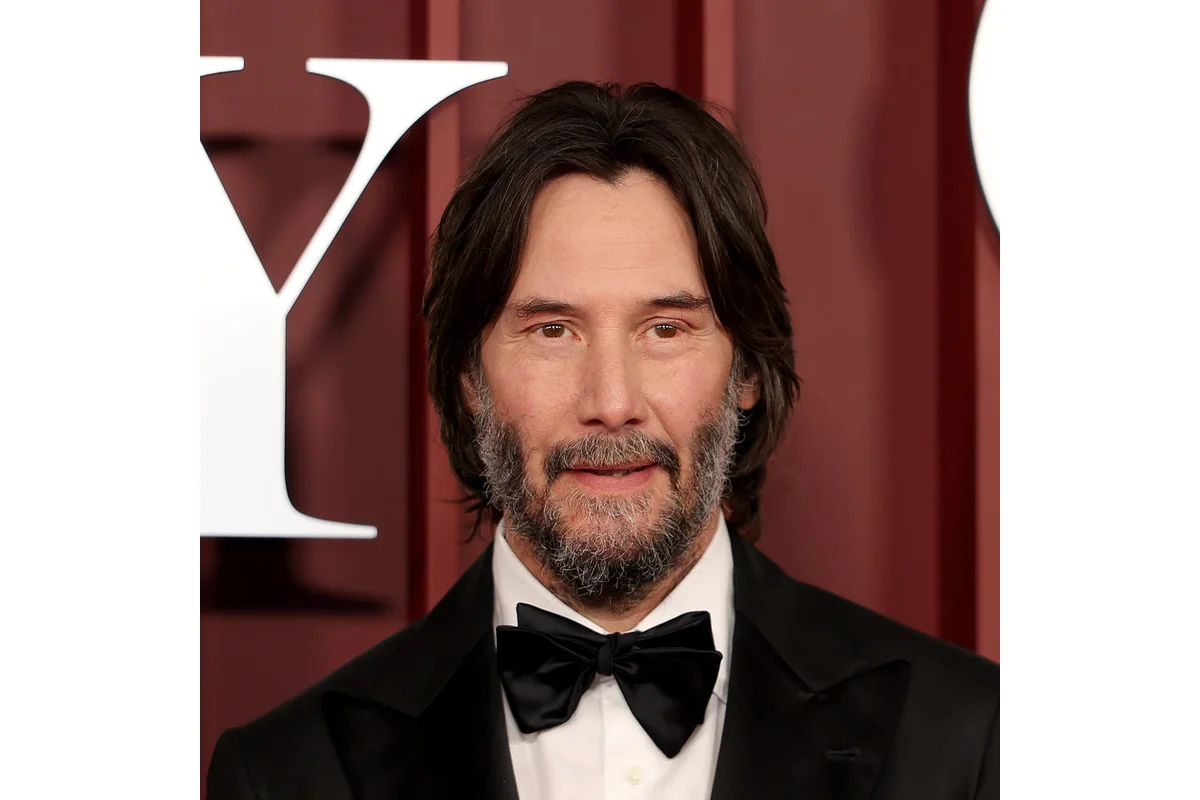
Reeves’s generosity extended to sharing profits with crew members. From his profit-sharing on The Matrix, he distributed bonuses to the special effects team, acknowledging their critical role in the film’s success. As a movie executive told the Wall Street Journal,
“He felt that they were the ones who made the movie and that they should participate.”
This gesture reflects a rare appreciation seldom seen in Hollywood for behind-the-scenes contributors.
Additionally, on the set of John Wick 4, he gifted the stunt performers both expensive watches and monetary bonuses, showing gratitude for their work, which was essential in bringing the intense action sequences to life.
Balancing Public Image and Reality
Keanu Reeves’s reputation as a generous and good-natured individual has fueled numerous rumors about his financial generosity. One persistent claim suggests he donated 70 percent of his salary from The Matrix to cancer research. However, this specific story was debunked by his publicist, who clarified to Newsweek that the claim was untrue.
Despite such skepticism, the actor’s history of genuine pay cuts and sharing profits creates an impression that Reeves’s kindness with money is authentic. Still, the disparity between fact and myth leaves room for scrutiny and highlights how Wholesome public images can sometimes overshadow complexities in an actor’s financial decisions.
The Broader Impact of Reeves’s Financial Decisions
Reeves’s willingness to reduce his earnings twice to secure key cast members, and to reward his crew, reflects a less common practice in the film industry where profit often takes precedence. While his generosity is commendable, it also sets a demanding precedent for other actors and producers concerning fair compensation and artistic integrity.
His choices have allowed important roles to be filled and have contributed to the quality and success of various films. However, there is also an underlying tension about the sustainability of such sacrifices in an industry known for its financial and contractual complexities.
Related semantic context: related coverage · external reference.
