

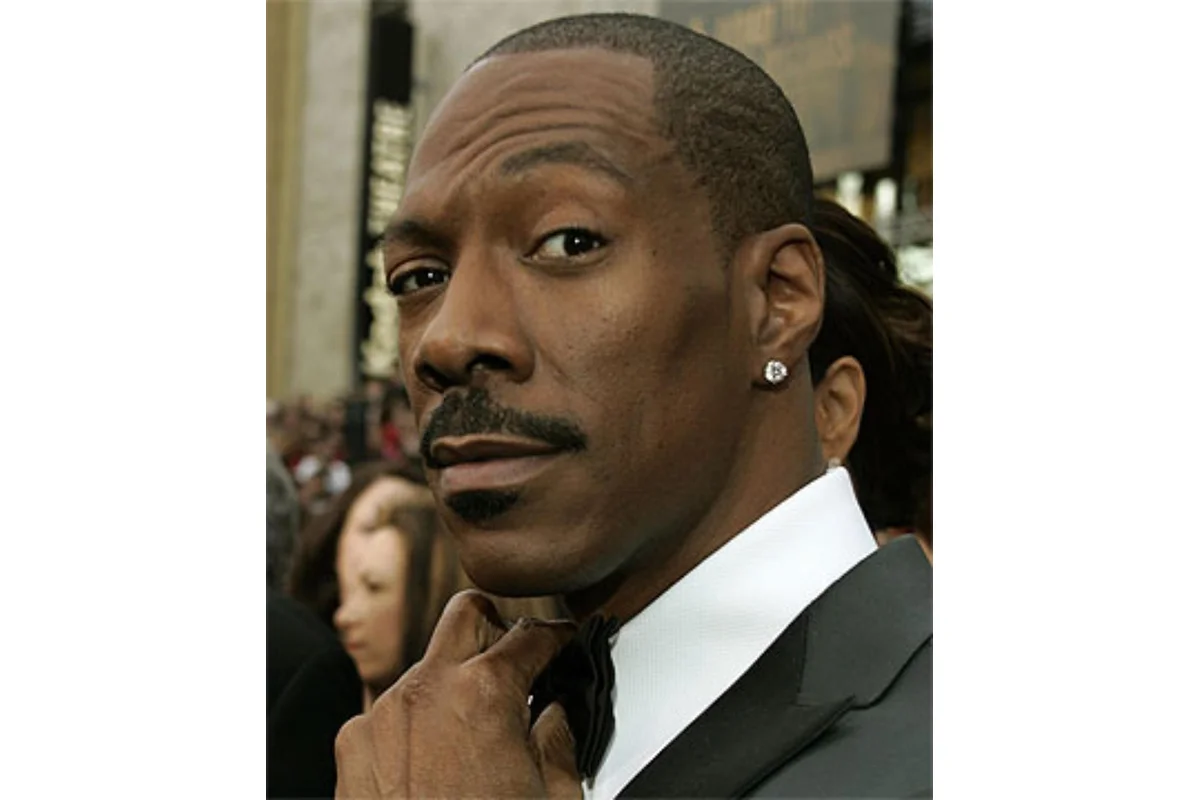
When Eddie Murphy lost the Best Supporting Actor Oscar to Alan Arkin in 2007 for his role in Dreamgirls, many speculated that his involvement in the comedy Norbit damaged his chances. Released during the Oscar voting period, Norbit was widely criticized for its offensive stereotypes and crude humor, with Murphy playing multiple characters, including an unflattering and cartoonishly negative portrayal of a large Black woman. This unexpected defeat sparked rumors that the Academy voters’ distaste for Norbit overshadowed their appreciation of Murphy’s dramatic work in Dreamgirls.
The Eddie Murphy Oscar controversy remains a notable example of how a poorly received film can allegedly influence awards outcomes, raising questions about the intersection of public image, timing, and merit in Oscar voting.
The Dual Roles and the Fallout of ‘Norbit’
Norbit featured Murphy in dual roles: a shy, gentle man and his domineering, cruel wife, Rasputia, portrayed through heavy prosthetics and exaggerated stereotypes. The character became emblematic of the negative aspects of the film, which many consider the low point of Murphy’s career in the 2000s. In this role, Murphy leaned into offensive caricatures that combined misogyny and fatphobia, sparking backlash and discomfort among many viewers and critics.
Despite its critical reception, the film was a box-office hit, highlighting Murphy’s continued commercial draw at the time. However, the sharp contrast between the success of Norbit and the artistic recognition sought by Murphy for Dreamgirls formed the crux of the controversy: could the commercial comedy overshadow his dramatic achievement and cost him the Oscar?
How Timing and Hollywood Politics Might Have Played a Role
The release of Norbit within the Oscar voting season led to speculation that voters were reluctant to reward Murphy for his dramatic performance because of the negative association with the crude comedy. There is a pervasive belief in Hollywood awards lore that a flop or poorly received film can derail an otherwise sure-fire win. Voters, fearing endorsement of a controversial project, may hesitate to fully embrace an actor’s performance in another film.
Some reports suggested that the Academy’s hesitance stemmed from a desire to avoid encouraging more films like Norbit, implying that honoring Murphy for Dreamgirls would send the wrong message. This phenomenon has since been cited as an example of how Oscar decisions can be influenced by factors beyond the performance itself, such as public relations and legacy management.
Examining the Larger Context Behind Murphy’s Oscar Defeat
While the backlash against Norbit is often named as the key reason for Murphy’s Oscar loss, deeper scrutiny reveals that other factors likely contributed. The film industry is notorious for its unpredictable politics, large personal and financial stakes, and subjective voter preferences. Moreover, Murphy’s career included other less successful films before and after Norbit, making it simplistic to attribute his defeat solely to that movie.
Aside from these dynamics, the Academy has long been influenced by complicated favoritism, pettiness, and strategic voting. In this context, the narrative that Norbit alone derailed Murphy’s chances diminishes the complexity of Oscar politics and voter behavior.
Eddie Murphy’s Career Beyond ‘Norbit’ and ‘Dreamgirls’
Eddie Murphy’s impact on Hollywood comedy and pop culture is substantial. He was one of the highest-paid actors in his prime, with stand-up specials and films that achieved significant box office success. Early in his career, he was celebrated for his stand-up comedy, and his commercial hits like “Party All the Time” demonstrated his wide-reaching appeal despite mixed musical talent.
Murphy reinvented himself multiple times, transitioning from raunchy comedy to family-friendly roles, and even to voice acting with critical recognition such as a BAFTA nomination for Shrek. His performance in Dreamgirls was a breakthrough dramatic role after years of attempting more serious projects, and it was praised as a transformative success that revealed his versatility.
‘Norbit’ as a Cultural and Creative Low Point
Among Murphy’s body of work, Norbit stands out as a particularly controversial and criticized project. Unlike the beloved The Nutty Professor roles, Norbit lacked both wit and warmth, instead leaning heavily on offensive tropes. Murphy’s portrayal of Rasputia combined derogatory stereotypes about Black women with fatphobia in a manner that many interpreted as lazy and damaging.
Nevertheless, some critics such as Richard Brody of The New Yorker defended the film and highlighted Murphy’s performances as notable within the 21st century cinematic landscape. Additionally, Norbit received an Oscar nomination for make-up, acknowledging technical achievements despite the overall negative reputation of the film.
The Wider Debate About Comedy and Oscar Recognition
Murphy’s omission from many award nominations over his career reflects a broader bias against comedy within the Academy. Despite his commercial appeal and critical acclaim from sources like the New York Film Critics Circle, which awarded him Best Actor for The Nutty Professor, his comedic work has rarely been fully embraced by Oscar voters.
This disconnect represents the tension between popular comedy and the dramatic prestige favored by the Academy. Murphy’s brand of energetic, boundary-pushing comedy, often centered on Black characters and culturally specific humor, complicated his path to traditional awards recognition, an issue the Norbit controversy brought to the forefront.
Alan Arkin’s Victory and Its Significance
Alan Arkin’s win for Best Supporting Actor in Little Miss Sunshine was influenced by factors beyond a reaction against Murphy’s films. A seasoned veteran of film, theater, and television since the 1960s, Arkin’s role as a gruff but loving grandfather endeared him to audiences and Academy voters alike.
Having never previously won an Oscar, Arkin’s victory was interpreted as a tribute to his lengthy career and broad contributions to the industry. The sentimental push to honor an elder actor appeared to motivate many voters more than any reaction against Murphy’s Norbit. This suggests that legacy considerations often weigh heavily in awards outcomes.
What Murphy’s Oscar Experience Reveals About the Academy
The ongoing discussion about whether Norbit cost Eddie Murphy an Oscar reveals the complicated nature of Academy voting. While some voters may have been influenced by Murphy’s controversial roles, many others see the issue as emblematic of the Academy’s inconsistent and sometimes outdated criteria for recognition.
Although Jessie Buckley’s performance in The Bride! has faced criticisms reminiscent of Murphy’s Norbit backlash, her strong awards season position suggests the Academy may have evolved in how it handles divisive performances. Murphy’s legacy as a major figure in Black Hollywood, and one of the most important comedic actors of his generation, remains secure despite the lack of multiple Oscar nominations.
Ultimately, the Eddie Murphy Oscar controversy should not be reduced to a single film’s impact, but rather understood within the broader challenges and contradictions that shape Hollywood awards culture.


Related semantic context: related coverage · external reference.
