
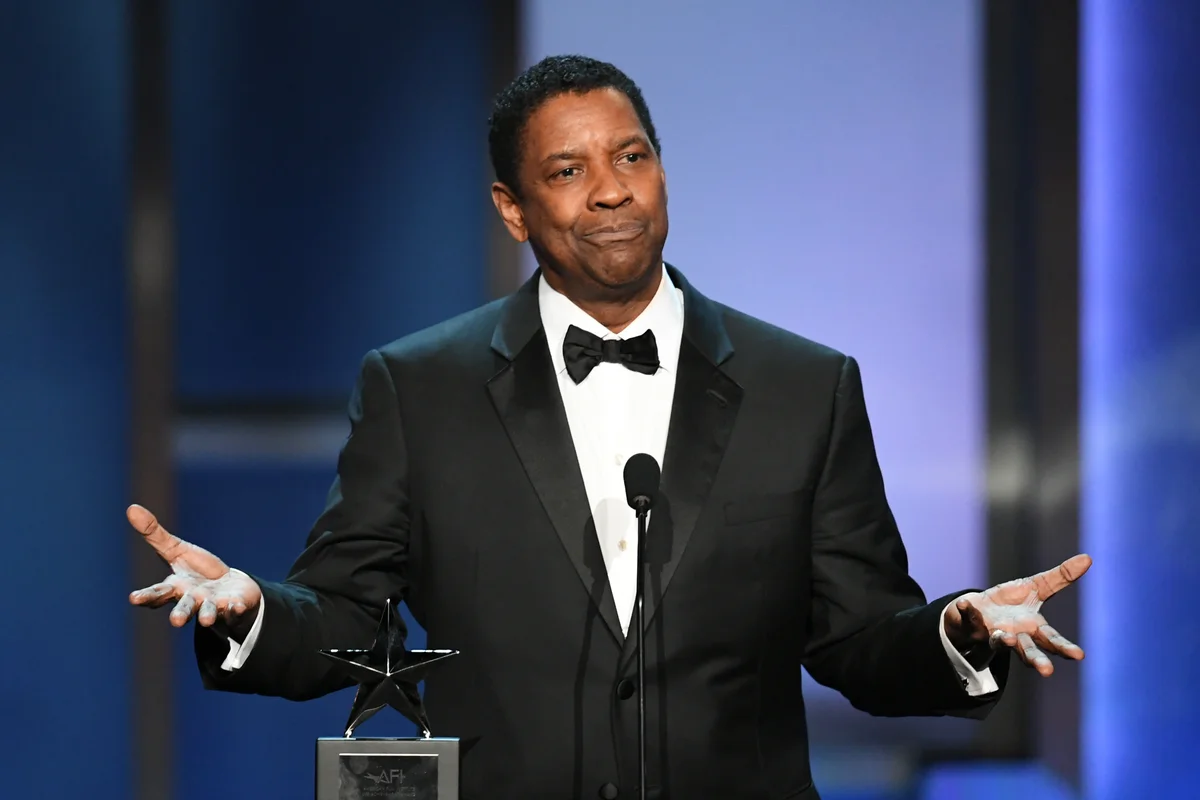
Terrence Howard Reveals Denzel is the primary entity for this article, supported by Entertainment topic context.
Related WII context: related keeper article. External authority context: industry context.
Terrence Howard has opened up about how his anger complicated his path in Hollywood and shared the impactful advice he received from Denzel Washington to overcome these struggles. In a candid conversation on the PBD Podcast, the actor revealed that his temper and need to assert himself cost him a significant role in the Marvel Cinematic Universe, highlighting the challenges he faced in managing his emotions.
The Incident That Cost Howard His Role in Iron Man
Howard recounted a tense episode during the press tour for the film The Brave One, when a reporter questioned why his name was not billed above the title alongside Jodie Foster. This led to a heated exchange with producer Joel Silver, who explained that Howard’s role was secondary. Despite understanding this, Howard’s pride was hurt, and he confronted Silver aggressively, threatening physical violence.
I was like, ‘OK. Thank you for telling me that. Now I understand, but you have to remember I’m a man just like you, and if you ever talk to me in that way again, I’m gonna knock your teeth out your mouth,
Howard recalled telling Silver during this confrontation.
Following this incident, Howard lost his role as James Rhodes in the Iron Man franchise to Don Cheadle a few months later. He suspected that word of his outburst had propagated through Hollywood circles, especially since Silver’s producing partner, Susan Downey, was connected to Marvel’s films. This effectively damaged Howard’s reputation within the industry.
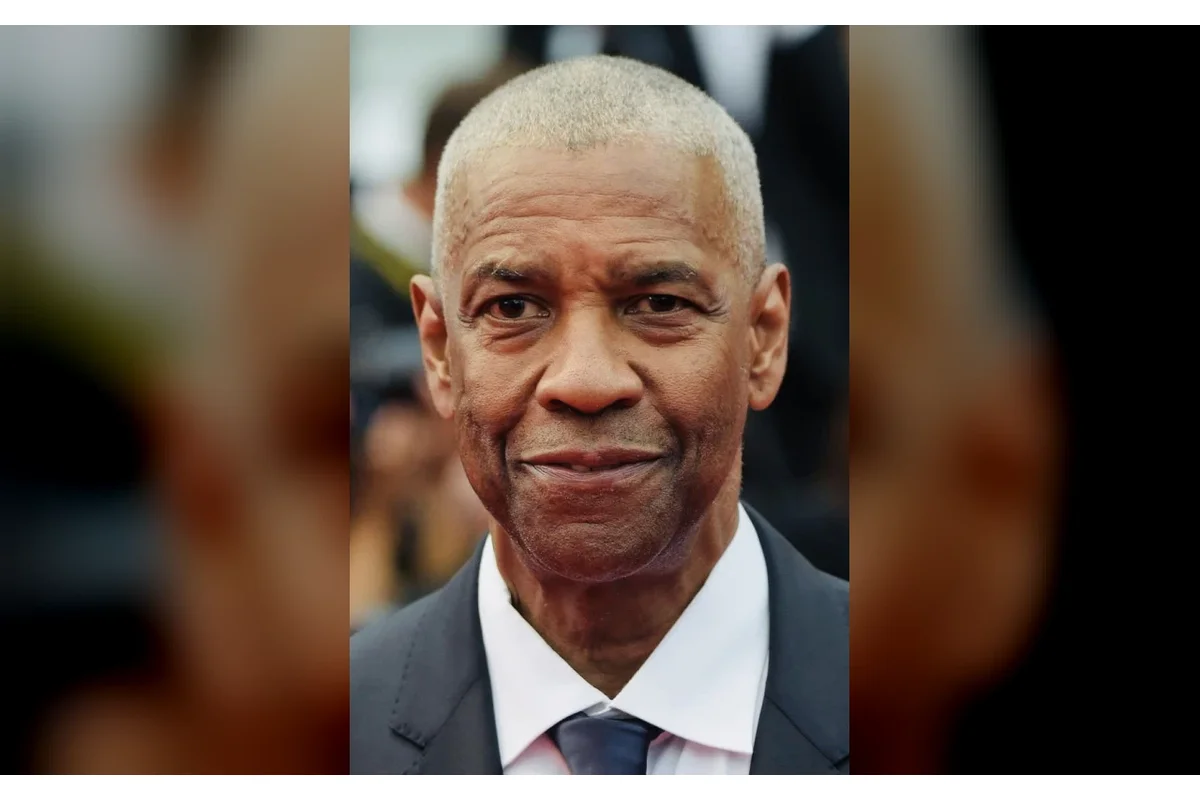
Denzel Washington’s Counsel on Handling Anger
Howard remembered how Denzel Washington once pulled him aside years ago and offered crucial advice regarding his behavior. Washington pointed out Howard’s tendency to clench his fists, emphasizing that producers wanted him to open his hands so they could invest in him, but Howard’s closed posture was undermining his opportunities.
I had a meeting with Denzel once, and he told me, he’s like, ‘Look at your hands, man. You’re always like this. Your fist all balled up.’ He said, ‘And all these producers want to do is they are trying to open your hand so they can put money in it. But you won’t do it. You keep your hands all tight like this, and you’re blowing it.’
And this is 20 years ago,
Howard added, highlighting how long ago this advice was given yet its lasting impact.
Facing the Fallout: Hollywood Blacklisting and Personal Struggles
Howard admitted that his aggressive attitude led him to be effectively blacklisted by major studios. He described how he had to return to the Chitlin circuit and work outside of mainstream Hollywood. Reflecting on missed chances, he recognized how his need to prove his masculinity often led to confrontational reactions instead of more diplomatic responses.
I ended up going back into the Chitlin circuit. I was no longer being supported by the studios again,
Howard shared.
…I’ve had a number of opportunities. And you know, but my aggression, you know, my need to be a man. ‘You’re gonna, you ain’t gonna talk to me like that.’ You know, instead of learning how to diffuse and to walk away and to smile.
Howard traced his anger issues back to his childhood experience growing up light-skinned with green eyes in a predominantly Black neighborhood in Chicago. Feeling targeted and needing to toughen up to survive, he battled internal conflicts that shaped his defensive outlook.
I’m battling shadows from the past. You ain’t gonna punk me. You know, and it’s like I was punking myself. So that’s the hardest thing to get out of your own way to recognize,
Howard said, reflecting on the deeper roots of his struggles.
The Broader Impact of Howard’s Story on Career and Identity
Howard’s revelations shed light on how deeply personal challenges and unchecked anger can affect professional trajectories, even for established actors. His experience underscores the importance of mentorship and self-awareness in navigating Hollywood’s pressures. Denzel Washington’s advice remains a turning point Howard credits with helping him recognize the need to change his approach toward conflict.
Looking ahead, Howard’s story serves as a cautionary tale about the costs of allowing pride and anger to dictate behavior, as well as an example of the transformative power of guidance from respected peers. It also highlights ongoing conversations around emotional management and the impact of personal history on public life within the entertainment industry.
🔥🚨DEVELOPING: Hollywood actor Terrence Howard revealed Denzel Washington told him his aggression stopped him from getting big in Hollywood & said he thinks he lost his Iron Man role after he threatened to knock the teeth out of film Joel Silver.
pic.twitter.com/Y35kmAGSd9— Dom Lucre | Breaker of Narratives (@dom_lucre) March 5, 2026
