
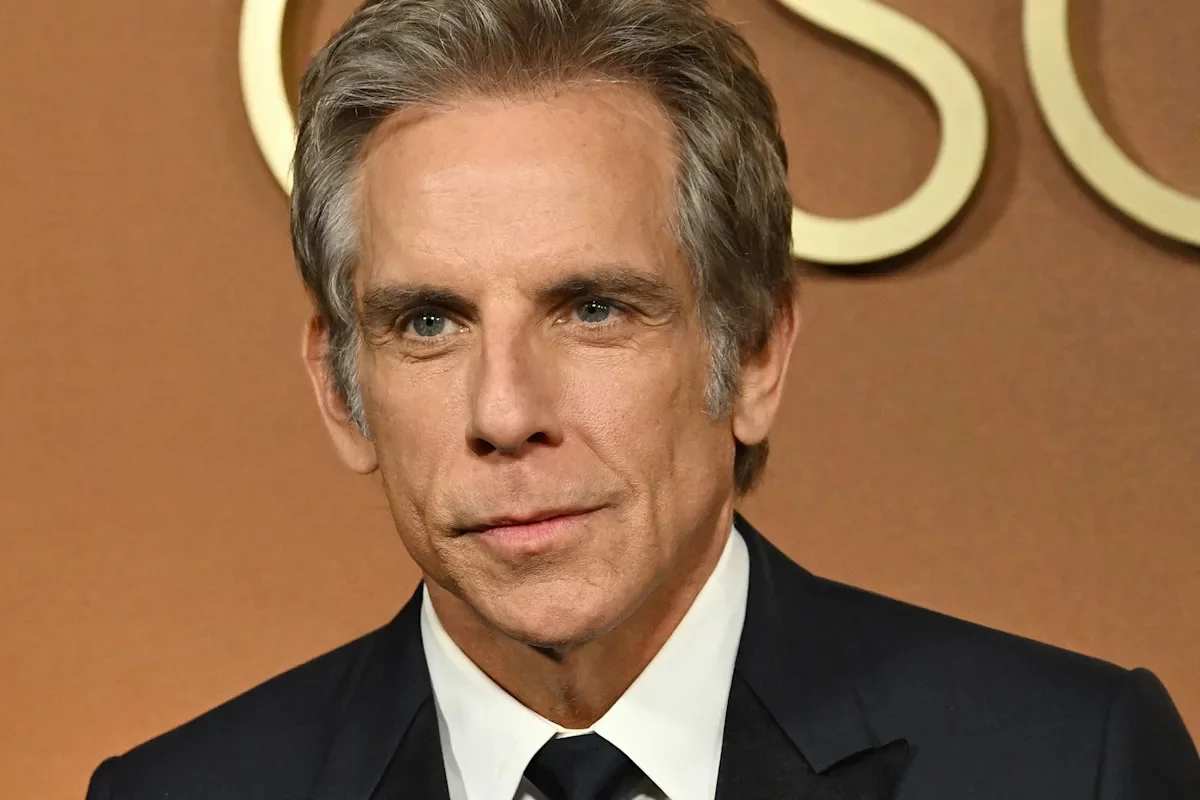
Actor and director Ben Stiller has publicly demanded that the Trump administration stop using clips from his movie Tropic Thunder as part of their political messaging. On Friday, the White House’s X account shared a video combining war-themed movie scenes with real footage of strikes on Iran, which included Tropic Thunder along with Gladiator, Braveheart, and Top Gun. Stiller criticized the post, emphasizing his refusal to allow his work to be used in what he called propaganda.
Details of the Video and Stiller’s Response
The specific Tropic Thunder footage featured Tom Cruise portraying Hollywood studio executive Les Grossman dancing in celebration, which the White House included under the banner “JUSTICE THE AMERICAN WAY.” Ben Stiller responded directly to the White House with a tweet saying,
“Hey White House, please remove the Tropic Thunder clip. We never gave you permission and have no interest in being a part of your propaganda machine. War is not a movie,”
underscoring his objection to conflating entertainment with real-world conflict.
Other Artists Also Oppose Use of Their Work in Political Settings
Stiller is not alone in taking issue with the Trump administration’s use of artistic work without consent. Last year, pop star Sabrina Carpenter objected to the use of her song Juno in a post depicting ICE raids, calling the move “evil and disgusting.” Similarly, Kenny Loggins, the songwriter behind Top Gun’s “Danger Zone,” condemned the unauthorized use of his song in a video portraying Trump humorously flying over No Kings protesters and dropping feces on them. Loggins demanded immediate removal, stating,
“This is an unauthorized use of my performance of ‘Danger Zone.’ Nobody asked me for my permission, which I would have denied, and I request that my recording on this video is removed immediately.”
Wider Criticism of Trump’s Use of Popular Culture in Messaging
According to Vanity Fair, many high-profile musicians, including the Rolling Stones, Neil Young, Rihanna, Pharrell Williams, and Phil Collins, have publicly rebuked or taken legal action against Trump’s use of their work. These disputes highlight the broader controversy surrounding appropriation of culture for political purposes without consent.
Controversy Over Mixing Real Combat Footage with Entertainment Content
The recent White House video emerged a day after heavy criticism for combining actual footage of strikes on Iran with segments from the video game Call of Duty. David Sanger, a CNN panelist and journalist for The New York Times, remarked,
“I’ve never seen anything like this, that sort of takes the real footage and tries to basically suggest this is a game.”
This comment reflects widespread concern over trivializing serious military actions by blending them with entertainment imagery.
Implications of Artistic Protests Against Government Media Usage
Ben Stiller’s strong protest, alongside similar objections from other artists, signals increasing tension between political entities and creators regarding unauthorized use of artistic material. These disputes raise questions about intellectual property rights, respect for artists’ intentions, and the ethical boundaries of government communication strategies. The pushback could lead to more stringent protections and greater scrutiny of how cultural works are deployed in political contexts moving forward.
Related semantic context: related coverage · external reference.
