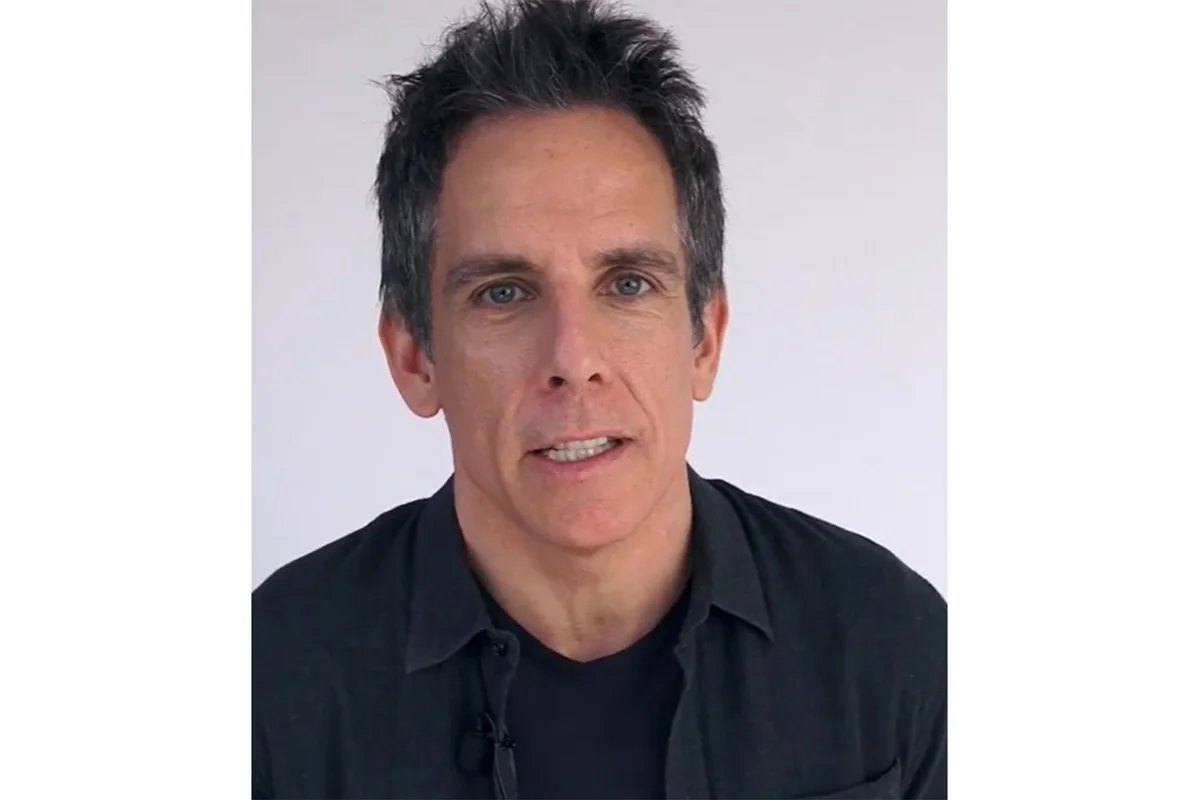
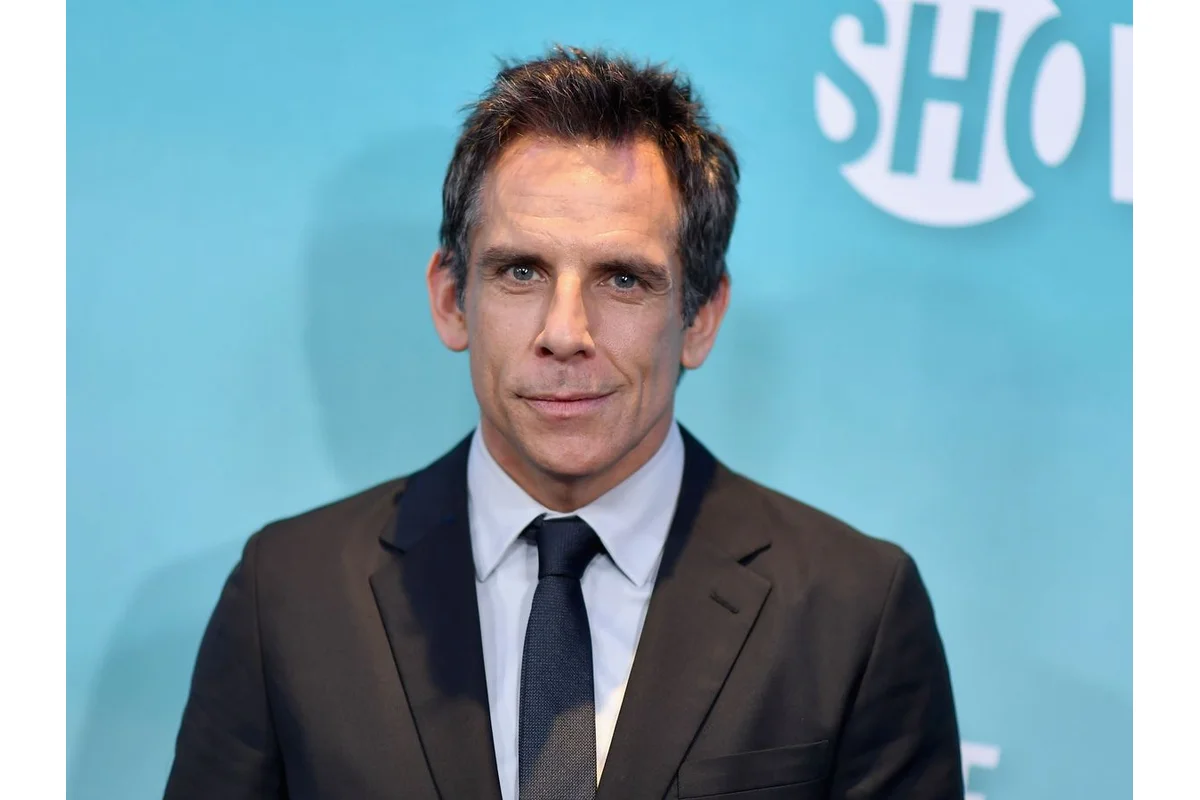
Ben Stiller, the actor and filmmaker, has publicly demanded that the Trump administration remove a clip from his 2008 satirical film Tropic Thunder, which was used without permission in an official White House social media post. Stiller issued his statement on X on March 6, 2026, expressing strong objection to the administration’s use of his work in this context.
Details of the Controversial White House Video
The disputed video appeared on the White House’s X account on Thursday, using the caption “JUSTICE THE AMERICAN WAY” alongside American flag and fire emojis. This 42-second montage combined footage from a variety of well-known Hollywood films and television shows, intercut with real clips of US military strikes on Iranian targets. Among the featured entertainment clips were scenes from Braveheart, Top Gun: Maverick, Iron Man 2, Gladiator, Transformers, Superman, John Wick, Better Call Saul, and Breaking Bad.
The montage ended with the famous voiced phrase “Flawless victory” from the video game Mortal Kombat, followed by a title card stating:
The White House: President Donald J. Trump.
Within the video, Tom Cruise’s character Les Grossman from Tropic Thunder was shown dancing, a scene from the comedy that drew particular attention due to the unauthorized usage.
Ben Stiller’s Unwavering Response and Defense of His Work
Ben Stiller responded directly to the White House on X, emphatically stating,
Image of: Ben Stiller
“Hey White House, please remove the Tropic Thunder clip. We never gave you permission and have no interest in being a part of your propaganda machine. War is not a movie.”
At 60, Stiller made it clear that neither he nor his team authorized the film’s inclusion in any government materials. He has taken the roles of director, lead actor, and co-screenwriter on Tropic Thunder, which satirizes Hollywood’s portrayal of war.
After the clip’s posting, a social media user commented critically on Stiller’s demand, saying,
Loved Tropic Thunder, however your getting up set over 1 second of footage from the Len Grossman dance scene post credits nor is propaganda. We know war is not a movie but yet we keep making movies about war.
Stiller replied tersely, clarifying, “Usually to protest war.”
He also addressed another user’s criticism calling Tropic Thunder a “terrible movie,” to which Stiller calmly responded,
You are entitled to your opinion,
reaffirming his respect for differing views.
Background on Tropic Thunder and Its Cultural Impact
Tropic Thunder, released in 2008, was a commercial and critical success, featuring a star-studded cast including Ben Stiller, Jack Black, and Robert Downey Jr. The story follows a group of actors who mistakenly believe they are filming a war movie but end up caught in real combat. Robert Downey Jr.’s performance earned him an Academy Award nomination for Best Supporting Actor. The satirical film critiques Hollywood’s often misguided treatment of warfare, with Stiller playing a central role in both its creation and execution.
Previous Instances of the White House’s Use of Entertainment Content Without Permission
This is not the first time the Trump administration has faced backlash for incorporating entertainment content without authorization in government messaging. In October of the previous year, musician Kenny Loggins objected after his song “Danger Zone” was featured in a White House video showing a caricature of President Trump flying over protesters and dropping excrement. Loggins stated,
This is an unauthorized use of my performance of ‘Danger Zone.’ Nobody asked me for my permission, which I would have denied, and I request that my recording on this video is removed immediately,
underscoring his firm rejection of the usage.
The White House has similarly used music from other popular artists such as Sabrina Carpenter, whose song “Juno” was incorporated into a social media post related to ICE raids last year. Taylor Swift’s “The Fate of Ophelia” was also featured in a November montage celebrating President Trump, despite the president’s frequent online criticisms of the singer. Swift chose not to publicly respond to that posting.
Significance of Stiller’s Demand and Potential Implications
Ben Stiller’s direct challenge to the White House represents a clear stand against the political use of his creative work, especially given the film’s satirical stance on war. The demand highlights ongoing concerns over unauthorized exploitation of entertainment media by government entities, raising questions about intellectual property rights and ethical boundaries.
The administration’s practice of blending fictional cultural content with real military actions, as seen with the Iranian strikes footage framed alongside Hollywood scenes, could further blur public perceptions of warfare and propaganda. Stiller’s insistence that “War is not a movie” serves as a poignant reminder of the gravity of real conflict compared to entertainment portrayals.
As debates around media usage and governmental messaging continue, the White House faces increasing scrutiny regarding its social media content. How the administration responds to Stiller’s request may set precedents for the future handling of artists’ rights and government communication strategies.
Hey White House, please remove the Tropic Thunder clip. We never gave you permission and have no interest in being a part of your propaganda machine. War is not a movie. https://t.co/dMQqRxxVCa