
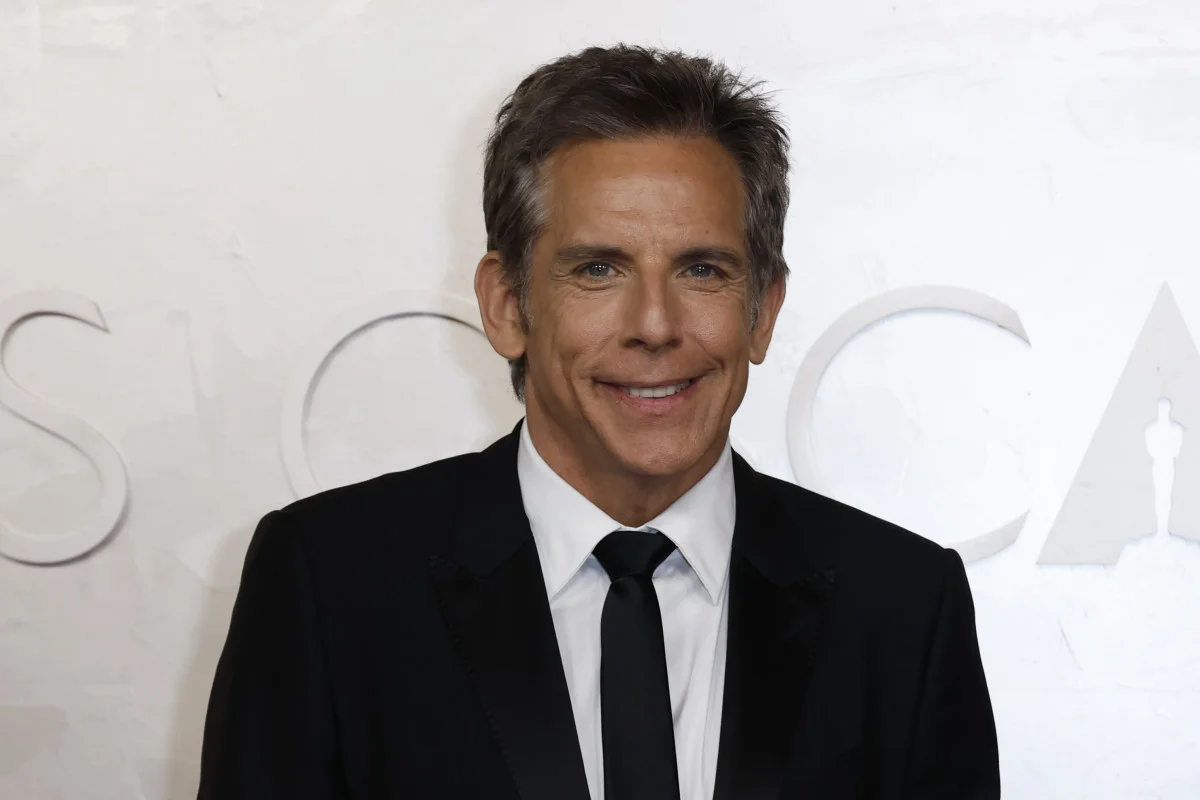
On March 7, 2026, actor Ben Stiller publicly requested that the White House remove a clip from his film Tropic Thunder used in a video promoting U.S. military actions against Iran. The controversial video, posted on the White House’s official X page on March 6, included scenes from several movies and video games. Stiller’s appeal highlights concerns over his work being associated with political messaging.
The video rapidly gained attention, accumulating over 46 million views, and contained clips from films such as Braveheart, Iron Man, Gladiator, Top Gun, and popular video games like Halo. Stiller, known for his role as Tugg Speedman in the 2008 comedy, emphasized that neither he nor the film’s creators authorized this use.
In his message on X, Stiller stated,
“Hey White House, please remove the Tropic Thunder clip. We never gave you permission and have no interest in being a part of your propaganda machine. War is not a movie.”
So far, the White House has not addressed Stiller’s demand, and no official comments have come from others connected to Tropic Thunder or the other featured media.
Growing Pushback Against White House’s Use of Entertainment Media
Ben Stiller’s objection is part of a larger backlash from artists whose work has been employed in the White House’s social media promotion of the Iran War. Similar complaints have emerged following the use of various entertainment clips without consent.
A notable example includes Dan Green, the voice actor for Yuugi in the anime Yu-Gi-Oh!, who condemned the Trump administration’s use of his voice in a recent video supporting military efforts. On March 7, 2026, Green expressed his views in an Instagram post:
“It came to my attention that the White House used my voice to encourage violence in Iran. Doing so tacitly implicates Kazuki Takahashi’s most beloved contribution, which continues to inspire people to become who they are, and this was presented in a way far removed from the story he was telling. Takahashi died saving others. Yu-Gi-Oh! is universal, not political. It is disrespectful to present it in any other way.”
These concerns are echoed by several musicians and entertainers, including singer Kesha, who criticized the White House after her song “Blow” was paired with footage depicting a missile strike on a ship. Kesha’s objection brought attention to the administration’s practice of using popular music to frame its messaging.
White House Communications Director Steven Cheung acknowledged this tactic, admitting the approach was designed to provoke responses from celebrities and generate more views. He stated that objections from artists like Kesha inadvertently increased the posts’ reach and thanked her for the attention.
Other Artists and Estates Challenge Unauthorized Usage
The list of performers who have spoken out against the appropriation of their work by the Trump administration or White House continues to grow. Artists such as Olivia Rodrigo, Sabrina Carpenter, Kenny Loggins, and the estate of the late Isaac Hayes have all objected to the use of their music or likenesses in war-related content.
The Isaac Hayes estate initially filed a lawsuit over the unauthorized use of the artist’s material but eventually settled with the administration after legal proceedings. These disputes underscore a broader issue regarding the ethical and legal implications of repurposing entertainment content for political messaging.
White House’s Multimedia Approach to Promoting Military Operations
Since early March 2026, the White House has produced multiple videos supporting U.S. military operations abroad, particularly focused on Iran. These videos often blend real footage of air strikes or military maneuvers with clips from popular culture and video games, such as Grand Theft Auto and Call of Duty. The strategy appears designed to engage social media audiences but has sparked controversy due to the mixing of entertainment with serious geopolitical conflicts.
While some see this as a novel approach to communication, the backlash from creators highlights tensions between artistic ownership and political messaging. As these disputes continue, the White House’s social media strategy and its use of copyrighted material remain closely scrutinized.
Impact and Future Considerations
Ben Stiller’s demand, along with similar objections by others, reflects growing resistance within the entertainment community to having their work linked to war propaganda without consent. This situation raises important questions about intellectual property rights in the digital age and the responsibilities of government entities in respecting creators’ wishes.
The White House’s silence on these requests may fuel further legal or public relations challenges. How the administration navigates these conflicts could influence future approaches to media use in political campaigns and military messaging.
As the discourse unfolds, it remains to be seen whether more artists will come forward or if federal authorities will revise protocols governing such content usage, particularly in highly sensitive contexts like armed conflict.
Hey White House, please remove the Tropic Thunder clip. We never gave you permission and have no interest in being a part of your propaganda machine. War is not a movie. https://t.co/dMQqRxxVCa
— Ben Stiller (@BenStiller) March 6, 2026
Related semantic context: related coverage · external reference.
