
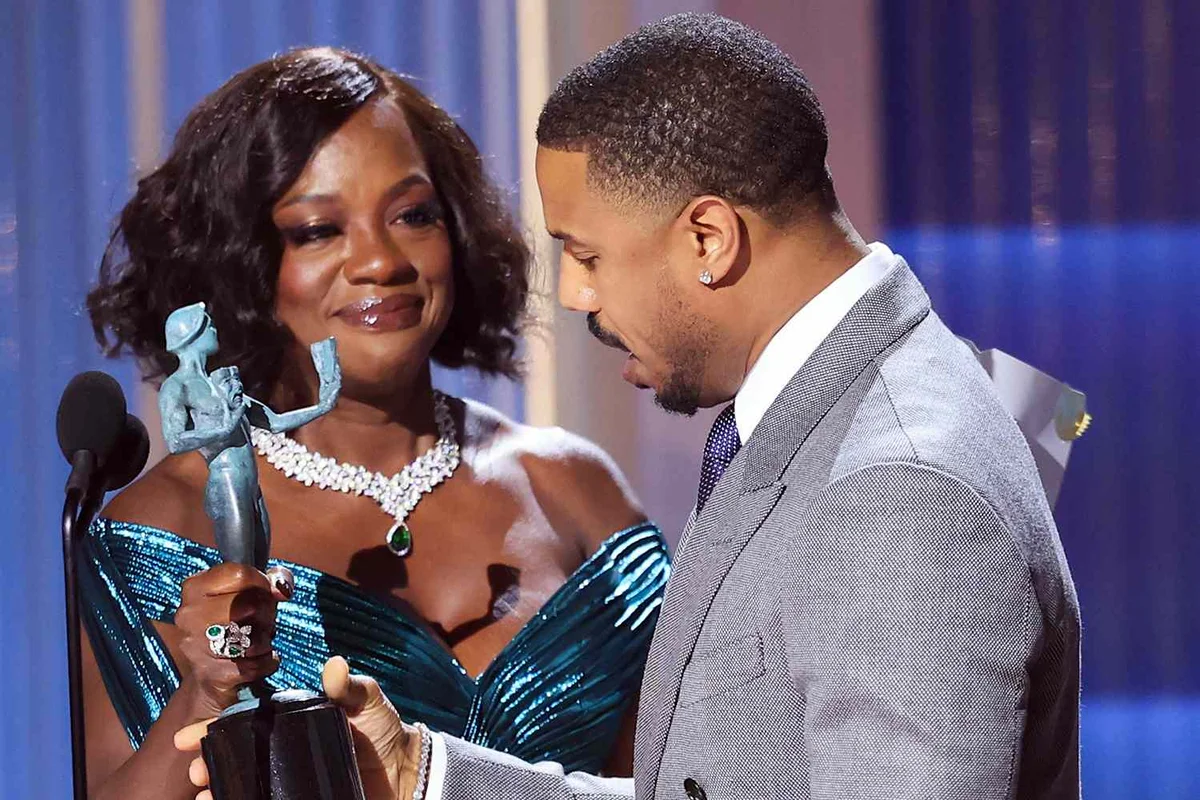
Viola Davis, acclaimed actress and now Viola Davis bestselling author, has launched her debut novel, Judge Stone, co-written with renowned author James Patterson. The book, released on March 9, explores challenging social issues through the lens of a Black female circuit judge in a small Alabama town. Davis, known for her powerful performances in film and television, steps into the literary world by tackling complex topics such as abortion and sexual assault with unflinching honesty.
Collaboration Between Contrasting Creatives
Davis describes herself as a homebody and introvert who prefers simplicity in life, often avoiding makeup or elaborate personas. Despite their differing personalities, Davis and Patterson formed a strong writing partnership. Patterson, who has co-authored books with figures like Bill Clinton and Dolly Parton, praised their collaboration as a moment where “magic happened.” Together, they created a gripping story with deep emotional and societal resonance.
“And yet, meeting, writing this book, I just liked him. We just connected.”
— Viola Davis, Actress and Author
“I think magic can happen a lot, if people would just stay open.”
— James Patterson, Author
The Story Behind Judge Stone
Judge Stone centers on a respected Black female circuit judge who faces a controversial and morally complex case involving a teenage girl named Nova. Nova is a victim of rape who undergoes an illegal abortion, and the novel delves into the judge’s navigation of justice and societal pressures. Patterson chose to address abortion, a highly charged topic, in hopes of fostering understanding and dialogue rather than fueling division.
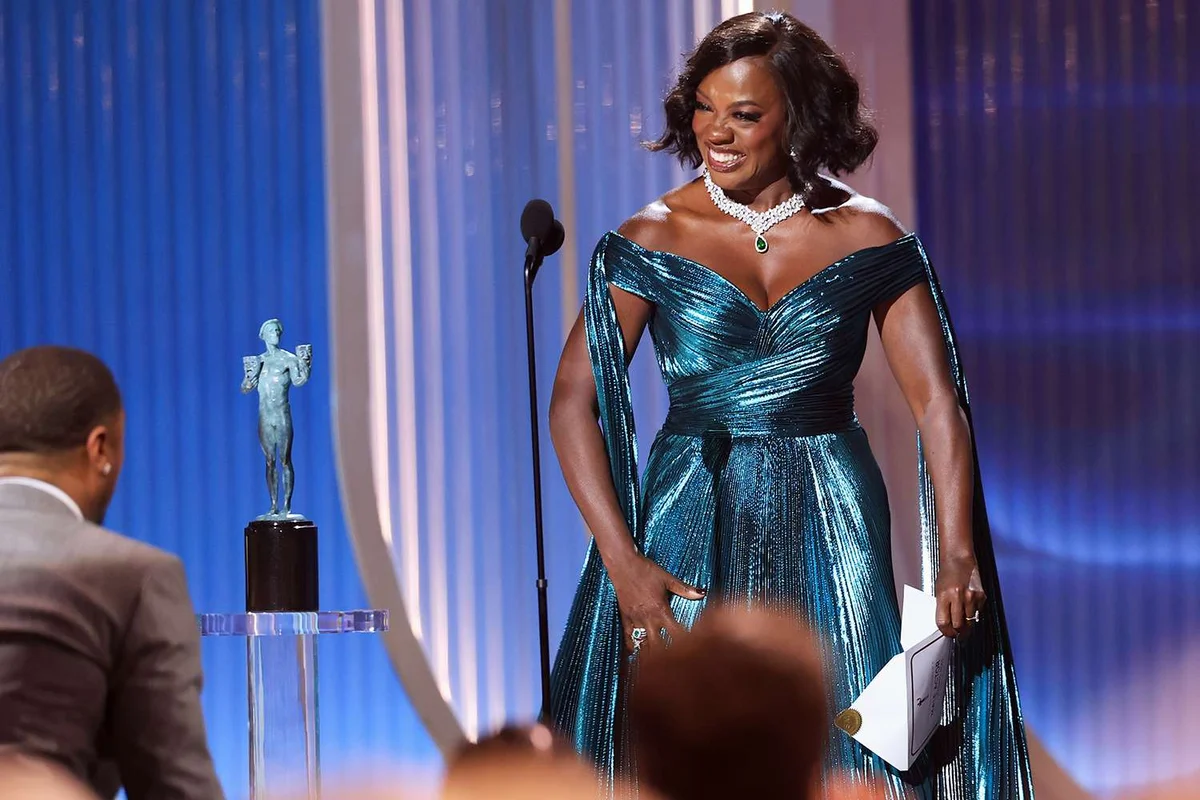
“To make it so it’s not a lightning rod. And I think that’s why this story is so good, why it’s so powerful, because we’re going into areas that people aren’t [talking about]. We need to talk about it.”
— James Patterson, Author
Viola Davis’ Personal Connection to the Novel
Davis revealed she drew from her own experiences with sexual assault to bring authenticity to the character of the victim. She expressed a profound responsibility toward survivors, especially children, emphasizing the importance of truth in portraying how trauma affects individuals emotionally.
“I felt a responsibility to women who have been sexually assaulted and raped, especially children, as I am one of them.”
— Viola Davis, Actress and Author
“And what they also deserve is the truth of how it made them feel.”
— Viola Davis, Actress and Author
From Acting to Writing: A Lifelong Aspiration
Though Viola Davis has earned acclaim as an actor, including an Oscar nomination for her eight-minute performance in 2008’s Doubt, writing was an ambition she nurtured since childhood. Growing up in Central Falls, Rhode Island, she dreamed of becoming a writer, inspired by books such as the Bobbsey Twins series. Her dedication to understanding her characters deeply, often through extensive biographies, reflects her commitment to storytelling in both her acting and writing careers.
“I wanted to be a writer when I was nine years old; it was my fantasy.”
— Viola Davis, Actress and Author
“I don’t know why, maybe because I loved the Bobbsey Twins books. I was like, ‘Oh. I could make a life of that.’”
— Viola Davis, Actress and Author
“We’re trying to figure out who they are.”
— Viola Davis, Actress and Author
“And so, you write, and you write, and you write, and you write. And somewhere in there, something clicks.”
— Viola Davis, Actress and Author
Reflecting Personal History Through Fiction
Davis shared that the novel’s portrayal of an impoverished young girl struggling with self-worth draws heavily from her own personal history. She feels a compelling duty to honor her younger self’s vulnerabilities, including feelings of insecurity about her appearance. These themes resonate throughout her acting roles, such as in Fences and the television series How to Get Away with Murder, where she channels her experiences to deliver powerful performances.
“All of it. Every single bit of my story influenced all of these characters. I feel that it is my duty to honor six-year-old Viola. I can’t sort of think about her dimples without thinking about the fact that she always felt ugly.”
— Viola Davis, Actress and Author
Personal Life and Achievements Beyond Acting
Outside of her artistic endeavors, Davis shares a home in Southern California with her husband, daughter, and their dog Bailey. She acknowledges the amusing realities of family life, such as her daughter’s enthusiasm for their pet contrasted with the reality of walking the dog. Davis is part of the elite group of EGOT winners, having earned an Emmy, Grammy, Oscar, and Tony, a testament to her versatile talent.
“It was my daughter who desperately wanted a dog.”
— Viola Davis, Actress and Author
“And guess who never walks a dog now? I mean, she does walk the dog, but you know how kids are.”
— Viola Davis, Actress and Author
“To my husband and my daughter, I’m so glad you are the foundation of my life.”
— Viola Davis, Actress and Author
Future Endeavors and Uncertain Horizons
Although Davis has begun a promising new chapter as a bestselling author, she remains open about what lies ahead, whether it be more writing, travel, or simply enjoying a quieter life. She downplays the significance of her EGOT status in her personal narrative, emphasizing instead how she hopes to be remembered simply as a beloved figure.
“Perhaps. I don’t know. I don’t. I don’t know what this chapter in my life is about, you know? Maybe a little bit more writing, or maybe travel, you know? Maybe just being a regular person. I think I’ve earned that, you know? EGOT is not gonna be on my gravestone, just put it that way. I don’t think there’s enough space, but ‘Beloved,’ there’s enough space for ‘Beloved,’ you know?”
— Viola Davis, Actress and Author
Anticipation for Judge Stone and Its Impact
The release of Judge Stone marks the beginning of Viola Davis’s remarkable entry into literature. James Patterson expresses optimism for the book’s success and praises their work as more than just good, but truly great. The novel’s exploration of urgent and often unspoken topics has the potential to spark meaningful conversations and broaden public understanding.
“You know, every book you start, you want it to be great. And sometimes, you have to settle for not so good, or very good. And in this case, I think we settled for great.”
— James Patterson, Author

Related semantic context: related coverage · external reference.
