
Chalamet Sparks Ballet Controversy is the primary entity for this article, supported by Ai topic context.
Related WII context: related keeper article. External authority context: industry context.
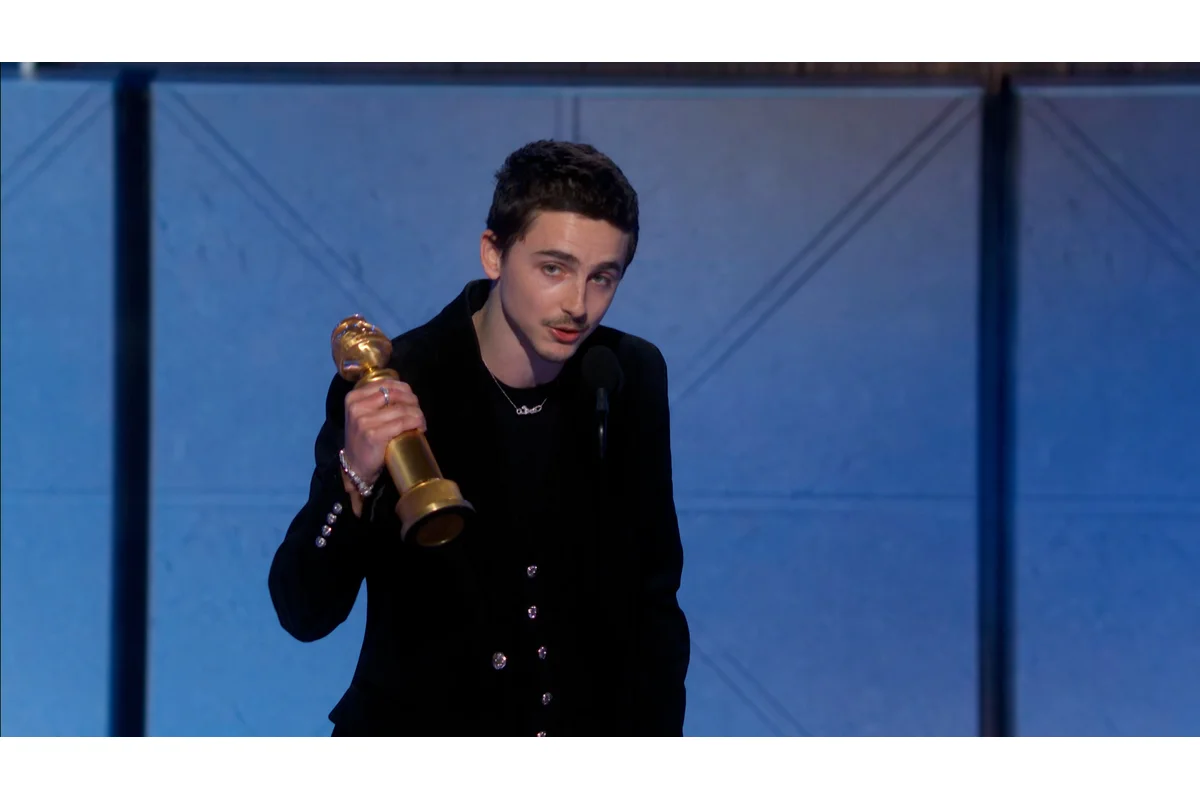
Timothée Chalamet has ignited controversy within the ballet and opera communities following statements implying that these traditional art forms are largely ignored today. The actor’s comments, made during a February 24 conversation with Matthew McConaughey at a CNN and Variety Town Hall event, suggested a declining public interest in century-old performance arts, sparking widespread debate about their cultural relevance.
Discussion on Changing Audience Engagement in Film and Performing Arts
In the video from the event, Chalamet and McConaughey discussed how contemporary films increasingly feature their most intense action scenes early rather than at the conclusion. Chalamet expressed admiration for films that take a more patient approach, noting Netflix’s 2025 adaptation of Frankenstein as a successful example. He said he recognized that some viewers prefer fast-paced entertainment but also highlighted a segment of audiences drawn to storytelling that unfolds gradually and thoughtfully.
He stated,
“It does take you having to wave a flag of, ‘Hey, this is a serious movie,’ or something, and some people do want to be entertained and quickly,”
demonstrating his nuanced view of audience preferences. The actor also reflected on the passionate fan bases for blockbuster films such as Barbie and Oppenheimer, emphasizing that audiences will actively support and celebrate movies they care about.
Controversial Dismissal of Ballet and Opera
However, Chalamet made a provocative remark that stirred controversy when he said,
“I don’t want to be working in ballet, or opera, or things where it’s like, ‘Hey, keep this thing alive, even though like no one cares about this anymore,’”
though he followed with a laugh and a nod of respect:
“All respect to all the ballet and opera people out there.”
He also joked,
“I just lost 14 cents in viewership. I just took shots for no reason.”
This blunt assessment prompted backlash from artists and organizations dedicated to these art forms.
Responses from Ballet and Opera Institutions Defending Their Art
The Metropolitan Opera responded via Instagram with a video showcasing the efforts of costume designers, set creators, and musicians behind their productions. Their post emphasized the hard work and collaboration that fuel opera performances, closing with a direct nod to Chalamet:
“All respect to the opera (and ballet) people out there,”
and tagging the actor with This one’s for you, @tchalamet…
The Royal Ballet and Opera issued a social media video that layered Chalamet’s comments over footage of performances and rehearsals, culminating with an image of a packed house and the text “We care.” The organization captioned the post,
“Every night at the Royal Opera House, thousands of people gather for ballet and opera, for the music, for the storytelling, for the sheer magic of live performance. If you’d like to reconsider, @tchalemet, our doors are open.”
In a statement to The Hollywood Reporter, the Royal Ballet and Opera stressed that ballet and opera have continuously inspired and influenced other art forms, including theatre, film, music, and fashion, countering the notion that they exist in isolation.
The LA Opera took a less subtle approach on Instagram, promoting its successful run of Akhnaten with a playful message:
“Sorry, @tchalemet We’d offer you complimentary tickets to Akhnaten, but it’s selling out. There are a few seats left to purchase if you hurry.”
Similarly, the Seattle Opera offered a ticket discount with a pointed reference to Chalamet’s comments:
“All we’ve got to say is… use promo code TIMOTHEE to save 14% off select seats for Carmen, through this weekend only. Timmy, you’re welcome to use it too.”
The caption ended with a cheeky invitation: See you at the opera!
Reactions from Performers and Industry Figures
Numerous renowned dancers and singers voiced their disappointment on social media. Grammy-winning opera singer Isabel Leonard criticized Chalamet’s commentary as narrow-minded and inconsiderate, noting,
“Honestly, I’m shocked that someone so seemingly successful can be so ineloquent and narrow minded in his views about art while considering himself as artist as I would only imagine one would as an actor.”
She added,
“To take cheap shots at fellow artists says more in this interview than anything else he could say. Shows a lot about his character. You don’t have to like all art but only a weak person/artist feels the need to diminish in fact the VERY arts that would inspire those who are interested in slowing down, to do exactly that.”
Brazilian ballet dancer Victor Caixeta also chimed in, expressing skepticism about the longevity of Chalamet’s film career compared to ballet and opera’s endurance, writing,
“Ballet and opera have survived for centuries. Let’s see if your movies are still watched in 300 years.”
New York City Ballet principal dancer Megan Fairchild discussed her frustration with Chalamet’s implication that he consciously chose acting over ballet and opera due to popularity. She criticized this viewpoint by emphasizing the exceptional skill required to enter these demanding fields:
“It’s not even the idea that he dissed ballet and opera that bothers me; It’s the suggestion that he had the talent and aptitude to pursue these Olympic-level artistic fields in the first place,”
and added,
“Timmy, I didn’t realize you were a world-class dancer or opera singer who simply chose not to pursue it because acting’s more popular! Ballet and opera aren’t niche hobbies people opt out of for fame. They’re disciplines you can only enter if you have the rare ability for them in the first place.”
Fairchild’s remarks also referenced Chalamet’s family ties to the New York City Ballet and his public appearances wearing a NYCB baseball cap. She jokingly offered forgiveness, writing,
“We forgive you, @tchalamet, We know you love @nycballet — we’ve seen the hat. And your lovely sister watches our rehearsals.”
Chalamet’s Ballet Heritage and Family Connections
Chalamet’s connection to ballet is well documented. In a December 2025 interview, he reflected on his upbringing surrounded by dancers, mentioning his grandmother, mother Nicole Flender, and sister Pauline Chalamet, all of whom danced with the New York City Ballet. He described himself as a cultural crossroads influenced by the artistic legacy of the 20th and 21st centuries, saying,
“My grandmother danced in the New York City Ballet, my mother danced in the New York City Ballet, my sister danced in the New York City Ballet. I grew up dreaming big backstage at the Koch Theater in New York. […] I’m like a Venn Diagram of the best cultural influences of the 21st century and 20th century.”
Hollywood Peers and Public Opinions Reflect Divided Views
Among Hollywood figures, Jamie Lee Curtis reposted a video from actor Zach McNally expressing disappointment over Chalamet’s remarks. Meanwhile, online conversations revealed a split in opinion. Some commentators defended Chalamet’s point of view as a critique of current audience trends rather than a dismissal of ballet and opera’s intrinsic worth.
One user argued,
“Look I’m a supporter of the arts, a very passionate one at that, but it’s clear what timothee chalamet was trying to say, It’s about audience engagement. He just didn’t phrase it well at all. I say this as someone who LOVES ballet and sees beauty in opera.”
Another supporter wrote,
“Timothee Chalamet did nothing wrong, I am part of ballet and opera’s remaining audience. They are not widely popular artforms today. Film was the great mass medium of the 20th century. There is no guarantee that will continue. He shows appropriate concern for cinema’s future.”
A social media user with experience working for an opera company remarked on the practical reality facing these arts, stating,
“Y’all, come on. I used to work for an opera company. My checks — which I needed to pay rent — bounced more than once. Glib phrasing aside, Timothée Chalamet is right: very few people care about opera. It sucks, but that’s reality.”
New York Times Op-Ed Offers Nuanced Perspective on Chalamet’s Comments
The New York Times published an op-ed addressing the controversy, suggesting that while Chalamet’s remarks were not fully developed, they held some validity. The piece clarified that Chalamet’s observation targeted ballet and opera’s position outside mainstream culture rather than their artistic importance, stating,
“Chalamet’s point wasn’t that ballet and opera don’t matter, but that it isn’t really part of mainstream culture. He was dismissing these art forms’ roles in our society, and is he wrong? The value of ballet and opera, and people’s perception around their value, are two different things.”
Significance and Ongoing Dialogue in Arts Communities
This incident has sparked intense discussions about the future and relevance of ballet and opera, as well as how traditional performing arts compete for attention in a rapidly evolving cultural environment. While Chalamet’s comments have upset many within these communities, they have also highlighted the challenges these institutions face in engaging modern audiences. The responses underscore the passion among performers and fans committed to preserving these art forms, while also revealing a broader concern about audience engagement and the shifting dynamics in entertainment consumption.
As the conversation continues, ballet and opera organizations may intensify efforts to broaden their appeal and affirm their significance in contemporary culture. The debate sparked by Timothée Chalamet’s remarks illustrates the delicate balance between honoring classical art traditions and adapting to changing public tastes in the 21st century.
Look I’m a supporter of the arts, a very passionate one at that, but it’s clear what timothee chalamet was trying to say. It’s about audience engagement. He just didn’t phrase it well at all. I say this as someone who LOVES ballet and sees beauty in opera.
— p (@pop_dreamgirl) March 7, 2026
Timothee Chalamet did nothing wrong.
I am part of ballet and opera’s remaining audience. They are not widely popular artforms today.
Film was the great mass medium of the 20th century. There is no guarantee that will continue.
He shows appropriate concern for cinema’s future. https://t.co/6aGKeX1w85
— The Stoic Emperor (@TheStoicEmperor) March 7, 2026
Y’all, come on. I used to work for an opera company. My checks—which I needed to pay rent—bounced more than once. Glib phrasing aside, Timothée Chalamet is right: very few people care about opera. It sucks, but that’s reality. https://t.co/EGWICGVzGn
— Billy Binion (@billybinion) March 6, 2026
