
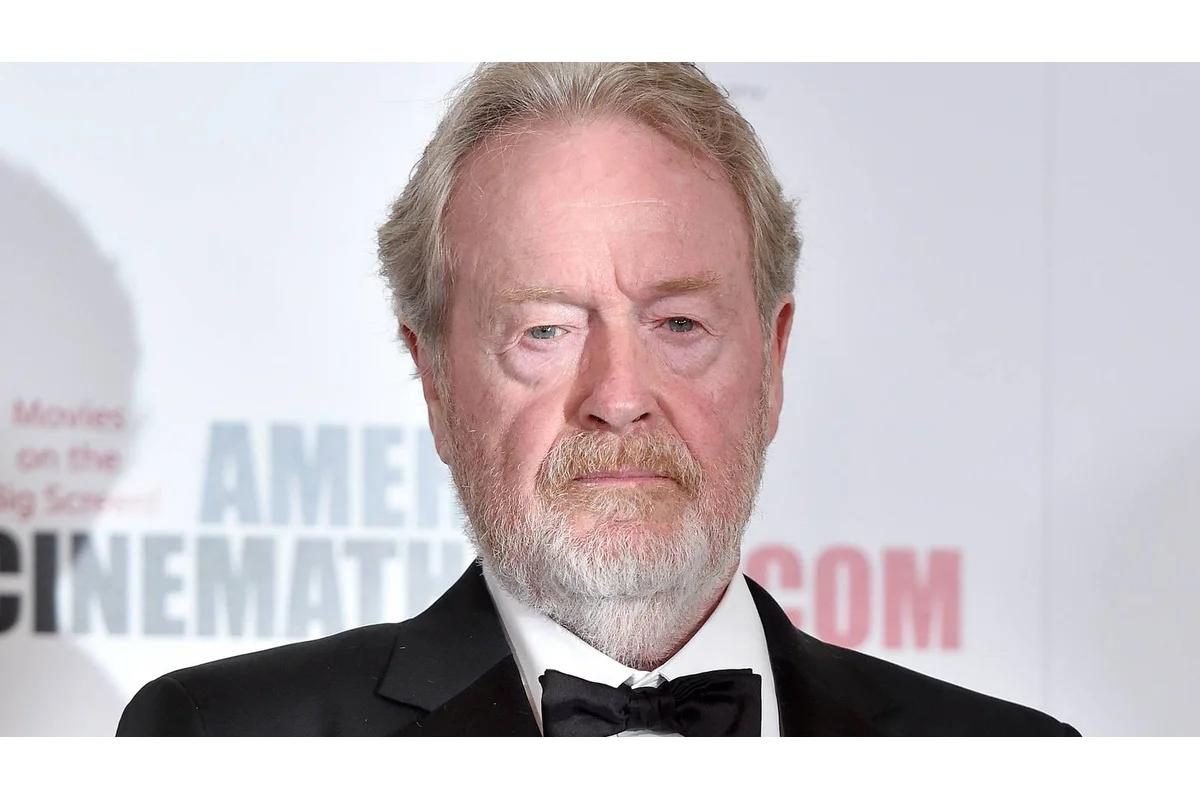
Ridley Scott’s 1997 military drama G.I. Jane challenged conventional views on gender and military culture by depicting a female soldier’s harsh training in a male-dominated environment. The film sparked fierce debate upon release, but today it is receiving renewed attention as streaming audiences revisit its bold confrontation of institutional sexism.
Agrueling Portrayal of Military Integration Rejects Comfort
In the late 1990s, Hollywood struggled to present female empowerment stories that satisfied mainstream expectations, often opting for safe, feel-good narratives. Instead, G.I. Jane confronted viewers with an unvarnished view of military life, portraying the institution itself as a brutal force designed to break down individuals, rather than a welcoming brotherhood.
Director Ridley Scott deliberately avoided a sanitized or triumphalist portrayal. Rather than granting Demi Moore’s character any special treatment, the film subjects Lieutenant Jordan O’Neil to the exact same relentless physical and psychological challenges as her male counterparts. The audience is forced to witness the harsh realities of her experience without distraction or romanticization.
This approach led to discomfort and division among audiences and critics, who expected a more traditional underdog victory. Instead, the film highlighted the violent resistance of patriarchal military systems to integrating women, delivering a story that refused to soften the institutional hostility O’Neil faced.
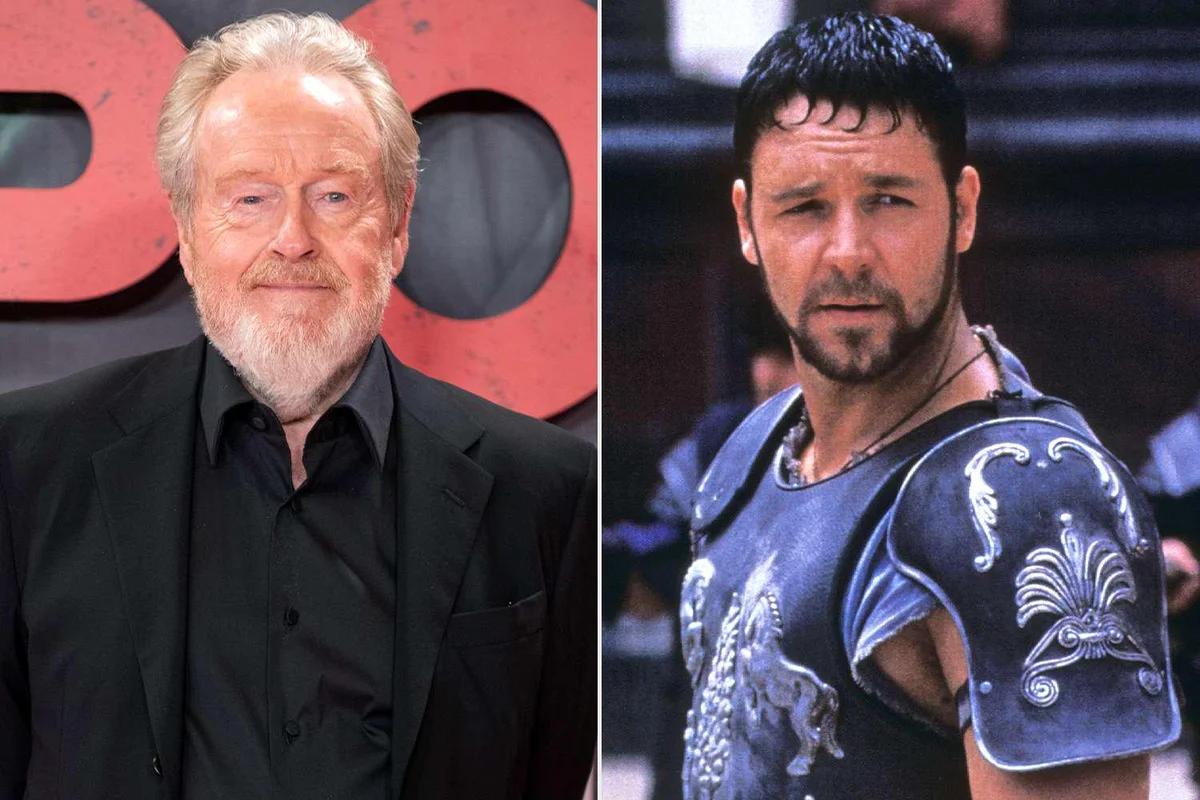
Public Memory Reduced to a Single Visual Moment
Despite its complex themes, G.I. Jane became culturally associated almost solely with the image of Demi Moore shaving her head. This intense visual overshadowed the film’s deeper character study and political commentary, leaving many aware of the movie’s existence but unfamiliar with its substance.
The film’s premise—centering on a senator’s high-stakes political maneuver to place a woman in elite Navy SEAL training—may sound implausible, yet it drew heavily on real debates of the 1990s. At that time, the U.S. military maintained a combat exclusion policy while congressional hearings echoed arguments warning that female integration would disrupt unit cohesion and compromise mission effectiveness.
Moreover, the film coincided with real-life scandals like the 1991 Tailhook incident and the 1996 Aberdeen Proving Ground assaults, which revealed pervasive misogyny and aggressive resistance to women in the armed forces. Though Ridley Scott heightened the drama through fiction, the institutional opposition depicted was an accurate reflection of the era’s cultural tensions.
Contemporary Audiences Find Unexpected Relevance
When stripped of its 1990s media context, G.I. Jane emerges as a surprisingly urgent and modern drama. Elements once criticized as overdone now resonate as incisive commentary on social progress being manipulated by political agendas and power struggles.
The entertainment industry’s evolving admiration for actresses who commit intensely to physical transformations further highlights the film’s ahead-of-its-time nature. Today, stars such as Natalie Portman, Florence Pugh, and Emma Stone receive acclaim for undertaking drastic changes to embody their roles authentically. Demi Moore’s dedication to physically embodying Lieutenant O’Neil—shaving her head and enduring grueling training—was largely mocked during the film’s initial release.
The heroine’s strength stems not from fantasy or exaggeration but from relentless determination and grit, qualities the film refuses to glamorize but presents raw and unfiltered. As audience perceptions of female action stars evolve, so too does appreciation for the path G.I. Jane blazed decades ago. With the surge of new viewers on streaming platforms, the film is escaping its earlier controversies and gaining recognition for its courageous portrayal of gender politics in the military.
The Leading Cast and Their Impact
Demi Moore delivers a powerful performance as Lieutenant Jordan O’Neil, depicting a woman confronting overwhelming institutional resistance while enduring punishing physical demands.
Viggo Mortensen supports the story as a fellow training officer, adding depth to the intense training environment and the complex dynamics between characters navigating rigid military hierarchies.
Combined, the talents of Ridley Scott, Demi Moore, and Viggo Mortensen shaped G.I. Jane into more than a simple action film. They created a challenging, thought-provoking drama that has gained relevance as society continues wrestling with issues of gender, power, and equality.
Related semantic context: related coverage · external reference.
