
Chalamet is the primary entity for this article, supported by Entertainment topic context.
Related WII context: related keeper article. External authority context: industry context.
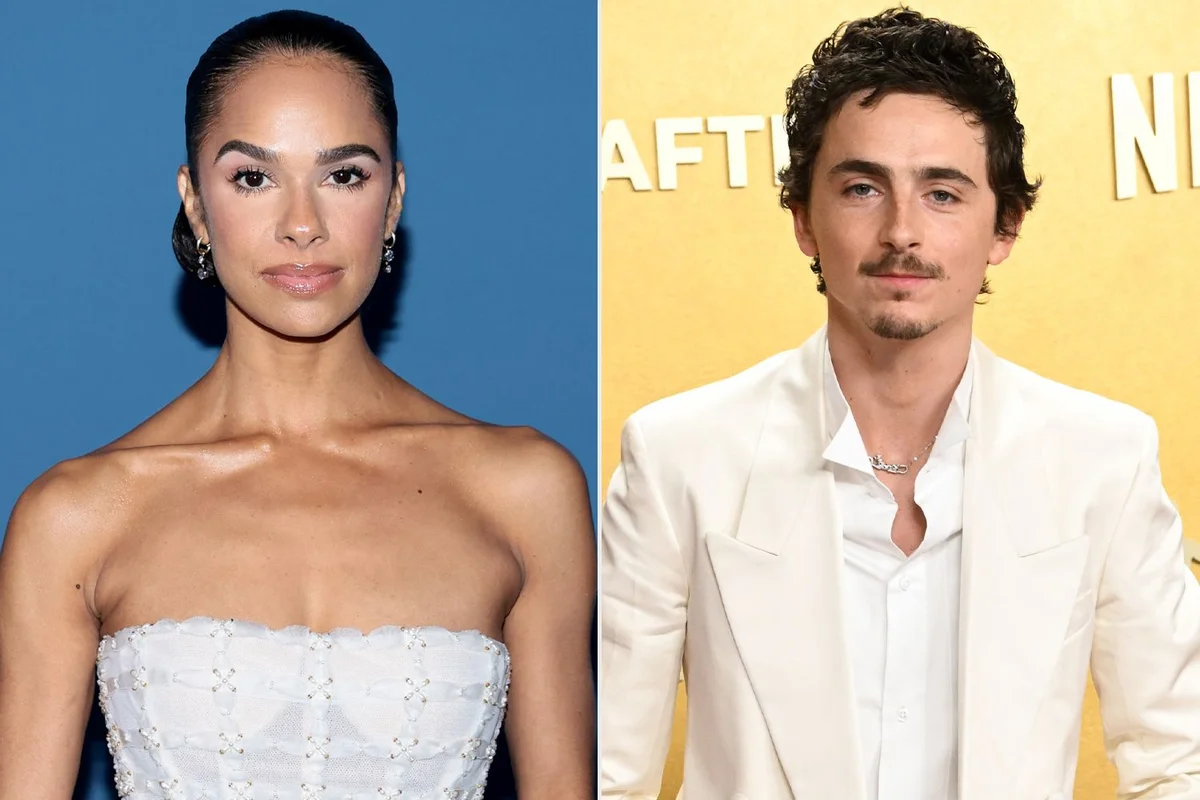
Misty Copeland, the acclaimed ballet dancer, addressed Timothée Chalamet’s dismissive comments about ballet and opera made during a February 24 town hall with Matthew McConaughey at the University of Texas at Austin. Chalamet, star of the film Marty Supreme, asserted that “no one cares about” these classical art forms, sparking controversy. Copeland emphasized the lasting cultural significance of ballet and opera, defending their value despite not being mainstream entertainment like movies.
Copeland Highlights the Enduring Importance of Ballet and Opera
At a panel for Aveeno and TOGETHXR’s The Strength Issue launch in New York City on March 8, Copeland reflected on her connection to Chalamet’s project and responded directly to his comments. She remarked,
“First I have to say that it’s very interesting that he invited me to be a part of promoting Marty Supreme with respect to my art form.”
Copeland noted that while ballet and opera may not be considered “popular,” they maintain “enduring relevance in culture.” She cautioned against equating popularity with meaningfulness, explaining,
“There’s a reason that the opera and ballet have been around for over 400 years.”
Efforts to Increase Access and Awareness
Copeland, recognized for being the first Black woman promoted to principal dancer at the American Ballet Theatre in 2015, pointed to challenges like limited access and opportunity as barriers to broad engagement with ballet. She highlighted her work with the Misty Copeland Foundation, which aims to introduce more people to ballet, saying,
“That’s the work that I’ve been doing my whole career is to bring more people into it, so that people do understand the importance and the relevance of it in our communities and our culture, and you see it reflected everywhere.”
Connecting Dance, Opera, and Film
Addressing Chalamet directly, Copeland suggested that his own career benefits from the influence and relevance of ballet and opera within the broader arts. She stated,
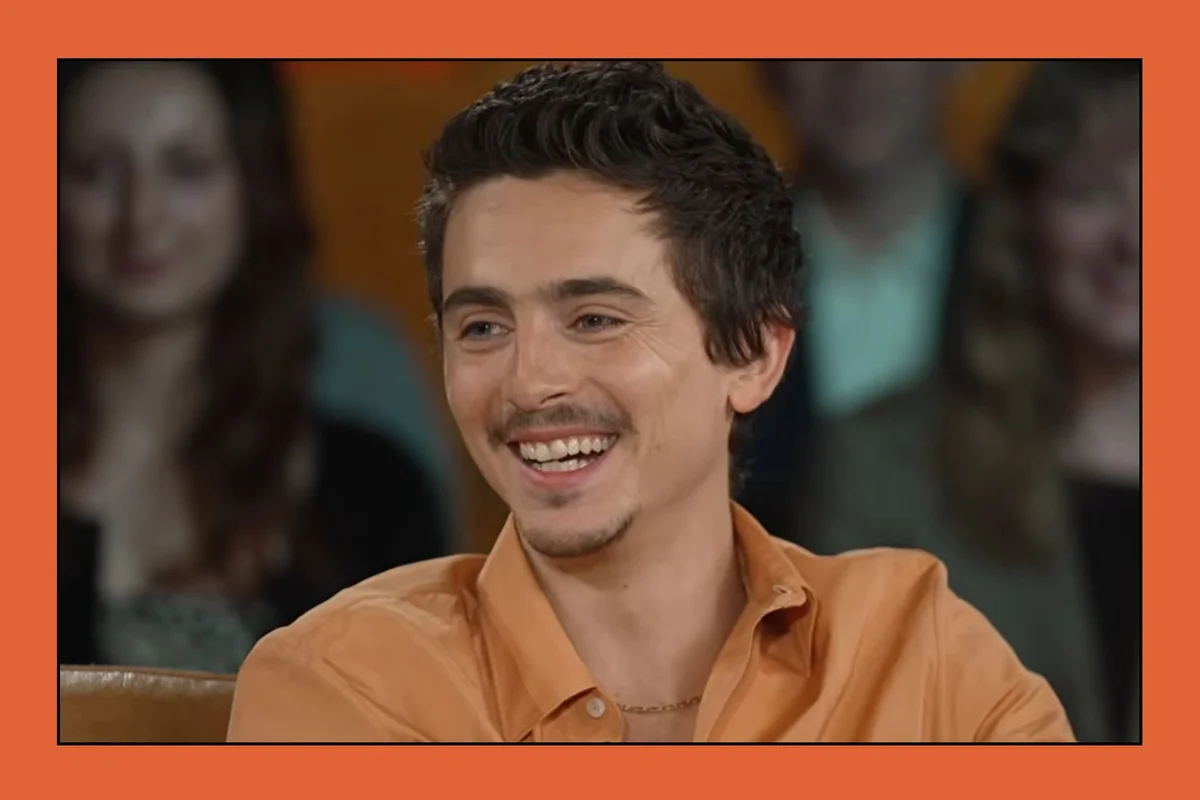
“I mean, he wouldn’t be an actor and have the opportunities he has as a movie star if it weren’t for opera and ballet in their relevance in that medium.”
She emphasized that all artistic forms deserve respect and that comparisons between them are unnecessary.
Chalamet’s Comments and Subsequent Backlash
Chalamet’s remarks during the conversation with Matthew McConaughey focused partly on shifting trends in film pacing, noting movies like Netflix’s upcoming 2025 adaptation of Frankenstein as examples that attract audiences without fast-paced action. He said,
“It does take you having to wave a flag of, ‘Hey, this is a serious movie,’ or something, and some people do want to be entertained and quickly.”
Chalamet also expressed ambivalence toward efforts to preserve traditional art forms, stating,
“I don’t want to be working in ballet, or opera, or things where it’s like, ‘Hey, keep this thing alive, even though like no one cares about this anymore.’ All respect to all the ballet and opera people out there.”
Reactions from the Opera and Ballet Communities
Shortly after the town hall aired, several performers within the opera and ballet worlds responded critically. Grammy-winning opera singer Isabelle Leonard wrote in response to Chalamet’s comments, expressing disbelief at his perspective. Leonard commented she was
“shocked that someone so seemingly successful can be so ineloquent and narrow-minded in his views about art while considering himself as artist as I would only imagine one would as an actor.”
Significance and Outlook for the Arts
Misty Copeland’s rebuttal underscores ongoing tensions between contemporary entertainment and classical art forms regarding relevance and recognition. As ballet celebrates its long history and advocates like Copeland continue to enhance accessibility, the debate sparked by Chalamet’s statements highlights different perceptions of art’s place in today’s cultural landscape. While the actor faces an Oscar nomination for Marty Supreme, the conversation invites reflection on how various artistic disciplines interact and influence one another in modern media.
