
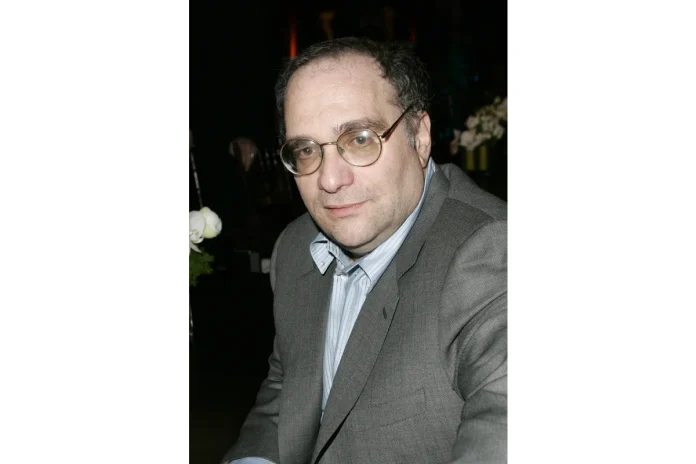
Bob Weinstein Bio
Robert Weinstein (born October 18, 1954) is an American film producer, director, writer, and entertainment executive who helped shape the modern landscape of independent cinema. He co-founded Miramax Films and later co-founded The Weinstein Company alongside his older brother, Harvey Weinstein, building two of the most influential independent studios of the late twentieth and early twenty-first centuries. Weinstein also founded Watch This Entertainment, a venture aimed at family films, comedies, and upscale adult thrillers. Across decades, he became known for steering projects that ranged from action and horror titles to awards-focused dramas, and for guiding a long list of commercial and critically praised releases.
Beginning in rock concert promotion in the early 1970s, Weinstein moved into independent film distribution in the late 1970s and helped turn Miramax into a leading indie label throughout the 1980s and 1990s. His career has been marked by both creative success and public controversy, including personal allegations that have shaped the later years of his work. Even so, his imprint on independent cinema remains visible through the many filmmakers and projects his companies championed.
Early Life and Background
Bob Weinstein was born on October 18, 1954, in Flushing, Queens, in New York City. He was raised in an Ashkenazi Jewish family, the son of Max Weinstein, a diamond cutter, and Miriam (née Postel) Weinstein. He grew up alongside his older brother, Harvey Weinstein, in a housing co-operative named Electchester in New York City, in a working-class neighborhood that would later shape the brothers’ shared business ambitions.
Both Weinstein brothers developed a deep love of movies from an early age and often spoke of a desire to enter the film industry together. Bob Weinstein attended John Bowne High School in Queens, the same school his older brother had attended, and like Harvey he went on to explore the world of live entertainment before turning to film. The combination of a close-knit family environment and a shared passion for storytelling laid the groundwork for what would become a long collaboration between the siblings.
Path to Producer
Before moving into film, Bob Weinstein, his brother Harvey, and their partner Corky Burger built a concert promotion business called Harvey & Corky Productions. Throughout most of the 1970s, they independently produced rock concerts in Buffalo, learning the basics of production, distribution, and live audience management. That hands-on experience in entertainment gave the brothers both the capital and the confidence to take their next big step into the world of movies.
In the late 1970s, the Weinstein brothers used profits from their concert promotion business to create a small independent film distribution company named Miramax Films, a name derived from their parents Miriam and Max. The company’s earliest releases were largely music-oriented concert films, including Paul McCartney’s Rockshow. In the early 1980s, Miramax acquired the rights to two British benefit concert films produced for Amnesty International, which the brothers then edited into a single release called The Secret Policeman’s Other Ball in 1982. The film became Miramax’s first real hit and helped establish the company as a player in the independent film world.
Bob Weinstein Career
Early Career (1979-1989)
From 1979 onward, Bob Weinstein helped guide Miramax Films through its formative years, steadily building a library of arthouse titles that earned critical attention and modest box-office returns. In 1988, the company released Errol Morris’s documentary The Thin Blue Line, a film that detailed the case of Randall Adams, a wrongfully convicted inmate on death row. The publicity surrounding the documentary contributed to Adams’s release and brought significant media attention to Miramax.
The following year, the company’s successful release of Steven Soderbergh’s Sex, Lies, and Videotape helped turn Miramax into one of the most successful independent studios in America. During this period, Bob Weinstein handled much of the day-to-day operations and focused on building the studio’s slate, while his brother Harvey pursued many of the more high-profile creative relationships.
Breakthrough (1990-2005)
In 1993, The Walt Disney Company offered the Weinstein brothers $80 million for ownership of Miramax, and the brothers agreed to remain at the head of the studio. The following year, Miramax released Quentin Tarantino’s Pulp Fiction, its first true blockbuster and the film that signaled the company’s arrival as a major force in Hollywood.
In 1996, Miramax won its first Academy Award for Best Picture with The English Patient, kicking off a run of critical successes that included Good Will Hunting and Shakespeare in Love. Bob Weinstein also built out the genre side of the business through Dimension Films, focusing on action and horror projects. On March 29, 2005, the brothers announced they would leave Miramax on September 30 of that year to form a new production company, The Weinstein Company.
Notable Works and Milestones
Bob Weinstein oversaw a wide range of projects across genres, including action, horror, and family films, with the studio’s awards successes standing as defining moments of his career. The 1996 Academy Award for Best Picture for The English Patient and subsequent recognition for films such as Good Will Hunting and Shakespeare in Love cemented the brothers’ reputation as kingmakers in the awards season. Through Dimension Films, he also helped bring some of the most successful genre releases of the era to audiences.
Bob Weinstein Award Nominations
Bob Weinstein’s career has been tied closely to the awards successes of the companies he helped lead. While the producer himself has not been widely profiled in the public nominations records, the films released under his companies have earned extensive recognition across the industry’s major awards ceremonies.
Bob Weinstein Awards Won
The companies Bob Weinstein co-founded and led have been associated with some of the most celebrated films in modern cinema, including Academy Award-winning titles such as The English Patient, Good Will Hunting, and Shakespeare in Love. These victories helped establish the Weinsteins’ reputation as central figures in the independent film boom of the 1990s and early 2000s.
Bob Weinstein Family
Bob Weinstein was born into a close-knit family in Queens, New York, the son of Max Weinstein, a diamond cutter, and Miriam (née Postel) Weinstein. He grew up alongside his older brother, Harvey Weinstein, with whom he would build both Miramax Films and The Weinstein Company. The Miramax name itself was drawn from the first names of his parents, a tribute that has remained a lasting part of the family legacy.
Personal Life
Bob Weinstein has been married and divorced twice. He married Anne Clayton, a former book editor, in 2000, and the couple lived in a large apartment in The Beresford at 7 West 81st Street on the Upper West Side. Clayton filed for divorce in April 2012 and sought a protective order. Weinstein’s personal life has also been marked by public allegations of sexual harassment, including an accusation from showrunner Amanda Segel, which he denied. He has four children, according to publicly available records.