
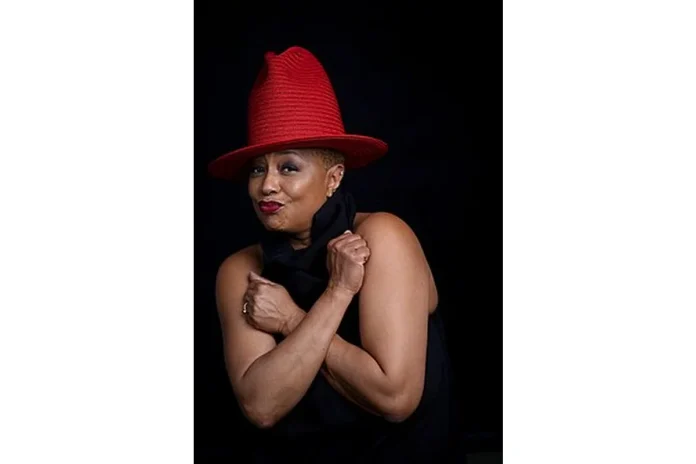
Lisa Fischer Bio
Lisa Melonie Fischer (born December 1, 1958) is an American singer, songwriter, record producer, and musician from Brooklyn, New York. She first reached a wide audience with her 1991 debut album So Intense and its chart-topping single “How Can I Ease the Pain,” which earned her a Grammy Award. Beyond her solo work, Fischer is internationally respected as a backing vocalist who has shared the stage with some of the most celebrated performers in popular music.
Over the course of her career, Fischer has toured and recorded with artists including Luther Vandross, Tina Turner, Sting, and The Rolling Stones, contributing her voice to live performances, studio albums, and orchestral projects. She is one of the central figures in the Academy Award-winning documentary 20 Feet from Stardom (2013), a film that helped reintroduce her to a new generation of listeners. In 2014, after decades of supporting other artists, Fischer revived her solo career with her band Grand Baton, performing across North America, Europe, Asia, Australia, and New Zealand.
Early Life and Background
Lisa Melonie Fischer was born in the Fort Greene neighborhood of Brooklyn, a borough of New York City. Her mother gave birth to her at the age of sixteen and had three children by the time she was nineteen. Fischer has spoken fondly of singing at home with her mother, a homemaker, her father, a warehouse worker and security officer, and her two younger brothers. Music was woven into daily life from the start, and the household environment helped shape her lifelong devotion to singing.
Fischer’s childhood years were marked by both personal hardship and artistic discovery. When she was fourteen, her father left the family, and at seventeen she experienced the loss of her mother. Despite these challenges, she continued to develop her vocal talent, drawing early inspiration from artists such as Freda Payne, Marvin Gaye, and Melba Moore. She has also credited the Black LGBT community with shaping her sense of stage image, adventure, and visual style, influences that would later define her performances.
Fischer attended The High School of Music & Art in Manhattan, one of New York City’s most prestigious public schools for young artists. The specialized training she received there helped refine her vocal technique and deepened her understanding of music history and performance. Her education at the school laid the foundation for a professional career that began almost immediately after graduation.
Path to Music
Fischer launched her professional music career in 1983, releasing the b-boy classic “On the Upside” under the stage name “Xēna.” A year later, in 1984, a club track she recorded titled “Only Love (Shadows)” was briefly featured in the motion picture Beat Street. Although these early solo records reached niche audiences, Fischer soon found her true calling as a backing vocalist, lending her voice to recordings and tours for artists including Melba Moore and Billy Ocean.
Her reputation as a versatile and reliable session singer quickly grew. She accompanied Luther Vandross, whom she met through choreographer Bruce Wallace, traveling with him on tour and singing on his albums for twenty-two years. She also worked with Chaka Khan, Teddy Pendergrass, and Roberta Flack, building a résumé that made her one of the most sought-after backing vocalists of her generation.
In 1989, Fischer began a long and storied association with The Rolling Stones, serving as a backup vocalist on their tours and sharing lead vocals on songs such as “Monkey Man” and “Gimme Shelter.” Her ability to trade lines with Mick Jagger on stage made her a fan favorite and helped expand her visibility well beyond the world of studio sessions.
Lisa Fischer Career
Early Career (1983-1989)
Fischer’s earliest years in the music industry were defined by her work as a session and touring vocalist. Between 1983 and 1989, she built a strong reputation supporting established artists, including Melba Moore, Billy Ocean, Luther Vandross, Chaka Khan, Teddy Pendergrass, and Roberta Flack. Her ability to blend into different musical settings while still bringing emotional depth to each performance made her a favorite among producers and arrangers.
During this period, she also began her long partnership with The Rolling Stones in 1989, joining the legendary rock band as a touring backup vocalist. This collaboration would last more than two decades, eventually taking her to stadiums and festivals around the world. Her work during these years laid the groundwork for the wider recognition that would come with her debut solo album.
Breakthrough (1990-1994)
Fischer’s solo career peaked with the 1991 release of her debut album So Intense on Elektra Records. The album produced three Top 20 R&B hits and peaked at number five on the Top R&B/Hip-Hop Albums chart and number 100 on the Billboard 200. Its lead single, “How Can I Ease the Pain,” reached number one on the R&B charts and won the Grammy Award for Best Female R&B Vocal Performance in 1992.
Despite the success of So Intense, a follow-up solo studio album was never released. Fischer has said that an attempt at a second album fell apart due to shifting energies at the label. In 1992, she traveled to Japan to perform in the Earth Voice Concert alongside artists such as Anita Baker, James Ingram, Michael McDonald, and Lee Ritenour, sharing the stage with many of the singers she had once backed in the studio.
Notable Works and Milestones
So Intense remains Fischer’s signature work as a solo artist, and “How Can I Ease the Pain” remains her most recognizable song. Her Grammy Award for the single is one of the defining achievements of her early solo career, and her continued presence on stage with The Rolling Stones cemented her reputation as one of the great live vocalists of her era.
Lisa Fischer Award Nominations
Fischer has received recognition from the Recording Academy throughout her career, both for her solo recordings and for her contributions to projects led by other artists. Her vocal performances have been featured on several Grammy-nominated albums, including collaborative projects that span jazz, classical, and electronic music. These nominations reflect the wide respect she has earned from peers across genres.
Lisa Fischer Awards Won
Fischer has won two Grammy Awards over the course of her career. In 1992, she received the Grammy Award for Best Female R&B Vocal Performance for her single “How Can I Ease the Pain.” In 2015, she shared in the Grammy Award for Best Music Film as one of the featured artists in the documentary 20 Feet from Stardom, which also won the Academy Award for Best Documentary Feature. The film brought renewed attention to the contributions of backup singers in popular music.
Lisa Fischer Family
Fischer grew up in a close-knit family in Brooklyn, raised alongside two younger brothers. Her parents supported the musical life of the household, and she has often spoken of singing with her mother and father during her early years. Limited public information is available about her extended family or current relatives.
Personal Life
Fischer has maintained a relatively private personal life, focusing public attention on her music and live performances. She is widely known for her preference for collaboration and ensemble work over the spotlight of a solo career, a choice she has described as a conscious artistic decision rather than a source of frustration. Her ongoing work with her band Grand Baton and continued appearances with major orchestras and ensembles highlight her commitment to music as a shared experience.