
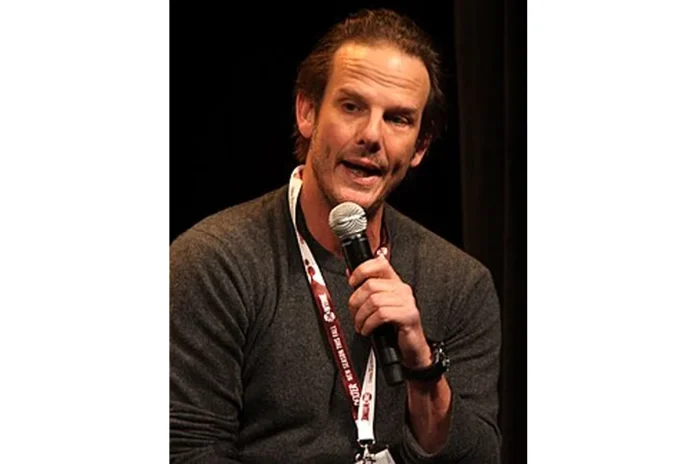
Peter Berg Bio
Peter Berg (born March 11, 1964) is an American director, producer, writer, and actor whose career spans film, television, and documentary work. He first gained recognition with the black comedy Very Bad Things (1998) and went on to build a reputation with high-profile projects such as The Rundown (2003), Friday Night Lights (2006–2011), The Kingdom (2007), Hancock (2008), Battleship (2012), Lone Survivor (2013), Deepwater Horizon (2016), and Patriots Day (2016). Berg is known for blending intense action with character-driven drama, and he frequently collaborates with actor Mark Wahlberg. He also operates the production ventures Film 44 and Film 45, contributing to both narrative features and documentary-style storytelling.
Early Life and Background
Peter Berg was born on March 11, 1964, in New York City, New York, United States, the son of Laurence “Larry” Berg and Sally Winkler Berg. His father worked as a U.S. Marine, and his mother worked at a psychiatric hospital and later co-founded a nonprofit directory of youth-focused charities called Catalog for Giving. Berg’s father was Jewish, as was his maternal grandfather, while his mother was Christian, giving him a mixed religious heritage. Through his mother’s side of the family, Berg is a second cousin of writer H. G. Bissinger, whose book Friday Night Lights later served as the basis for Berg’s film and television series of the same name. He has a younger sister named Mary, and the family lived in the Chappaqua School System area during his early years.
Berg completed his secondary education at The Taft School, from which he graduated in 1980. After high school, he enrolled at Macalester College in Saint Paul, Minnesota, where he majored in theater arts and theater history and graduated in 1984. His college years proved formative, exposing him to stage work and storytelling that would later influence his approach to film and television. Following his graduation, Berg moved to Los Angeles to pursue his film career, taking on odd jobs such as prop assistant and driver while auditioning for roles.
Path to Directing
Once in Los Angeles, Berg built his acting résumé through a string of small parts in films and television during the late 1980s and early 1990s. He appeared in projects including 21 Jump Street, Never on Tuesday, Miracle Mile, Going Overboard, and Genuine Risk, among others. In 1992, he played a World War II soldier in the film A Midnight Clear, and in 1996, he performed in the play The 24th Day at the Coronet Theater in Los Angeles. His most recognized acting role came on the CBS medical drama Chicago Hope, where he played Dr. Billy Kronk from 1995 to 1999.
Berg made his feature directorial debut in 1998 with Very Bad Things, a black comedy starring Jon Favreau, Christian Slater, Jeremy Piven, Daniel Stern, and Leland Orser. The film was shown at the Toronto and San Sebastian Film Festivals and received mixed reviews, but it established Berg as a working director willing to tackle provocative material. In 2000, he created the ABC series Wonderland, a dramatic television show set in a psychiatric emergency room, marking his first major move into producing for television and laying the groundwork for his later series work.
Peter Berg Career
Early Career (1988–2002)
Peter Berg launched his career in 1988, taking on a steady flow of acting roles in film and television throughout the early 1990s. His recurring role as Dr. Billy Kronk on Chicago Hope from 1995 to 1999 gave him significant on-screen exposure and helped him understand the rhythms of long-form storytelling. Off-screen, he began transitioning toward directing, sharpening his craft by observing directors and producers on the sets where he worked as a performer.
His directorial debut, Very Bad Things (1998), premiered at the Toronto and San Sebastian Film Festivals and signaled his appetite for dark, character-driven stories. He followed this with the creation of ABC’s Wonderland in 2000, a series set in a psychiatric emergency room. Although Wonderland was canceled after its second episode due to low ratings, the project gave Berg valuable experience in running a television production from the ground up.
Breakthrough (2003–2009)
Berg’s breakthrough arrived in 2003 when he directed the action comedy The Rundown, starring Dwayne Johnson and Seann William Scott. The film received mixed reviews but helped establish his name in the studio system. In 2004, he directed Friday Night Lights, a football drama based on the bestselling book by H. G. Bissinger, which became both a critical favorite and a cult favorite. He then served as executive producer on the NBC television adaptation, which ran from 2006 to 2011 and won both Peabody and Emmy Awards during its run, earning Berg two Primetime Emmy Award nominations.
In 2007, Berg directed The Kingdom, a Michael Mann-produced action-political thriller set in Saudi Arabia, starring Jamie Foxx, Chris Cooper, and Jennifer Garner. The following year, he directed Hancock (2008), a superhero comedy-drama starring Will Smith, Charlize Theron, and Jason Bateman, which grossed over $600 million worldwide. During this period he also directed a celebrated Hulu commercial featuring Alec Baldwin and the ESPN documentary 30 for 30: Kings Ransom (2009), showing his range across formats. He co-wrote The Losers (2010) and directed a two-hour pilot for the Fox series Virtuality, which was later released on DVD through Best Buy.
Notable Works and Milestones
Berg’s signature works include the Friday Night Lights film and television series, Hancock, The Kingdom, Battleship, Lone Survivor, Deepwater Horizon, and Patriots Day. His collaborations with Mark Wahlberg on Lone Survivor (2013), Deepwater Horizon (2016), Patriots Day (2016), Mile 22 (2018), and Spenser Confidential (2020) have become defining entries in his filmography. In 2015, he launched the nonfiction studio Film 45 to complement his fiction studio Film 44, expanding his footprint across both narrative and documentary content.
Peter Berg Award Nominations
Peter Berg has earned two Primetime Emmy Award nominations for his work as a creator and executive producer on the NBC drama Friday Night Lights (2006–2011). The series, adapted from his 2004 film, also received Peabody and Emmy Award recognition during its run, with Berg sharing in the honors as an executive producer.
Peter Berg Awards Won
Peter Berg’s projects have collected several honors across his career, most notably the Peabody Award and the Primetime Emmy Award won by Friday Night Lights during its run on NBC. The series also earned additional industry recognition for its storytelling and character work, contributing to Berg’s standing as a respected producer in television.
Peter Berg Family
Peter Berg is the son of Laurence “Larry” Berg, a U.S. Marine, and Sally Winkler Berg, who worked at a psychiatric hospital and co-founded a nonprofit directory of youth-focused charities called Catalog for Giving. He has a younger sister named Mary. Through his mother’s side of the family, Berg is a second cousin of writer H. G. Bissinger, whose book Friday Night Lights provided the basis for Berg’s film and television adaptation.
Personal Life
Peter Berg married Elizabeth Rogers in 1993, and the couple had one child together before divorcing in 1998. He has largely kept his personal life out of the public eye following the divorce. Outside of his professional work, Berg has been outspoken on social and political issues, including a 2015 public critique of ESPN’s decision to honor Caitlyn Jenner with the Arthur Ashe Courage Award, in which he advocated for greater recognition of returning war veterans.