
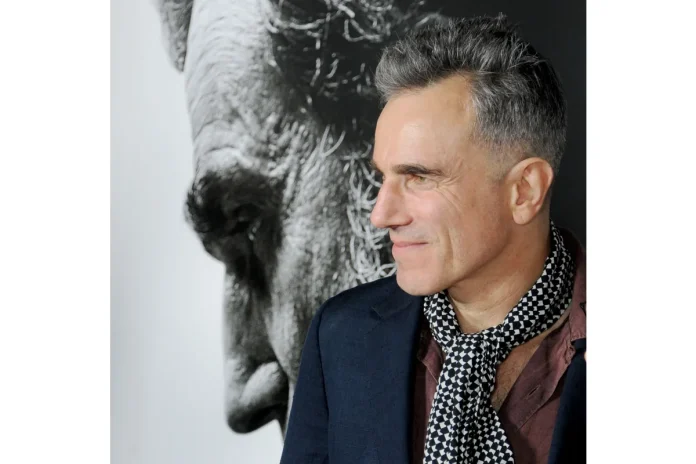
Tom DiCillo Bio
Thomas A. DiCillo, known professionally as Tom DiCillo, is an American film director, screenwriter, cinematographer, and musician whose work has shaped independent cinema since the early 1990s. Born at Camp Lejeune, North Carolina, he first gained attention with the cult favorite Johnny Suede (1991), which introduced Brad Pitt and Catherine Keener in their first leading roles. Over the following decades, DiCillo built a reputation for sharp character studies, witty satires of the film industry, and thoughtful documentaries, including the widely praised When You’re Strange (2009) about the rock band The Doors.
Across his career, DiCillo has moved easily between low-budget independent features, music documentaries, and mainstream television, including a director credit on Law & Order: Criminal Intent. His films are often praised for their behind-the-camera craft, intelligent humor, and willingness to explore the everyday absurdities of creative work.
Early Life and Background
Thomas A. DiCillo was born on August 14, 1953, at Camp Lejeune, a major United States Marine Corps base in North Carolina. His father was Italian and his mother was from New England, giving him a mixed cultural background that would later inform his storytelling sensibility. Growing up in a military community shaped his early years before he pursued formal studies in the arts.
He studied creative writing at Old Dominion University in Norfolk, Virginia, where he developed an interest in narrative structure and character voice. The program gave him a strong literary foundation that would later translate directly into his screenwriting work, including the published screenplay collections of Living in Oblivion and Box of Moonlight.
Encouraged by his growing interest in film, DiCillo moved to New York City to attend New York University’s prestigious Film School. There he studied alongside a generation of filmmakers who would go on to define American independent cinema, including Jim Jarmusch, Howard Brookner, Sara Driver, and Spike Lee. This vibrant creative community became a formative influence on his artistic voice and professional network.
Path to Director
After completing his studies at NYU, DiCillo worked for several years as an actor and cinematographer, learning the technical and collaborative sides of filmmaking from the inside. These years on set gave him a deep understanding of how performances are shaped and how stories are translated from script to screen, knowledge that would later define his directing style.
His transition to directing came gradually through short projects and music-related work, including on-screen appearances and cinematography credits on early independent features. By the late 1980s, he had assembled the experience and creative confidence needed to launch his own feature career.
The pivotal opportunity arrived when he cast then-unknown actors Brad Pitt and Catherine Keener in his debut feature, Johnny Suede. The film premiered in 1991 and earned a nomination for the Grand Jury Prize at the Sundance Film Festival, signaling DiCillo’s arrival as a distinctive new voice in American independent cinema.
Tom DiCillo Career
Early Career (1979-1995)
DiCillo began his professional career in 1979, working in various capacities in and around the New York independent film scene. His early years included work as a cinematographer and occasional actor, roles that allowed him to observe and learn from established filmmakers while developing his own artistic sensibility.
His first feature as a director, Johnny Suede (1991), starred Brad Pitt and Catherine Keener in what would be their first leading film roles. The picture earned a nomination for the Grand Jury Prize at the Sundance Film Festival and quickly established DiCillo as a talent to watch. The film combined music, romance, and offbeat humor in a way that reflected his own eclectic artistic interests.
Breakthrough (1995-2009)
DiCillo’s second feature, Living in Oblivion (1995), cemented his reputation as one of the most insightful satirists of independent filmmaking. The black comedy starred Steve Buscemi as a director driven to near-madness by his cast and crew, and featured a memorable subplot about a vain Hollywood actor. Critics praised the film’s sharp humor and authentic portrayal of low-budget film production.
In describing the inspiration behind Living in Oblivion, DiCillo once said that making a movie is one of the most tedious, boring, painful experiences, and that is just when something goes right. The line captured the candid, self-aware spirit that runs through much of his work. The screenplay was later published as a book, complete with commentary, stories, and anecdotes.
His fifth feature, Double Whammy (2001), was released directly to home video, while Delirious (2006) marked a major career resurgence. The comedy, starring Steve Buscemi, Michael Pitt, Alison Lohman, and musician Elvis Costello, screened at the San Sebastian Film Festival, where it won three awards, and later played at the Sundance Film Festival in 2007. It also earned DiCillo the Best Director prize at the HBO Comedy Film Festival in Aspen, Colorado.
In 2009, DiCillo wrote and directed When You’re Strange, a documentary about the legendary rock band The Doors. The film premiered at the Sundance Film Festival and was nominated for a Grand Jury Prize. After airing on PBS as part of the American Masters series, the documentary earned both an Emmy Award nomination and a Grammy Award nomination for Best Long Form Video.
Notable Works and Milestones
DiCillo’s signature works include Johnny Suede, Living in Oblivion, Delirious, and When You’re Strange, each of which showcased a different facet of his range as a filmmaker. His collaborations with Steve Buscemi across multiple projects became a defining feature of his career. His screenplay collections for Living in Oblivion and Box of Moonlight also stand as notable contributions to film literature, offering readers insight into his creative process.
Tom DiCillo Award Nominations
Throughout his career, Tom DiCillo has earned recognition from some of the most respected institutions in film, television, and music. His documentary When You’re Strange (2009) brought him nominations for a Primetime Emmy Award and a Grammy Award for Best Long Form Video, reflecting the project’s reach across multiple entertainment fields. His debut feature Johnny Suede also earned a nomination for the Grand Jury Prize at the Sundance Film Festival, while When You’re Strange received a similar Sundance nomination upon its premiere.
Tom DiCillo Awards Won
DiCillo’s most decorated year came in 2006 with the release of Delirious, which won three awards at the San Sebastian International Film Festival: Best Director, Best Original Screenplay, and the Signis Award for Originality. The film later won Best Director at the HBO Comedy Film Festival in Aspen, Colorado. These honors recognized both his skill behind the camera and his gifts as a writer, marking Delirious as a high point of his career.
| Award | Wins | Year |
|---|---|---|
| San Sebastian International Film Festival – Best Director (Delirious) | 1 | 2006 |
| San Sebastian International Film Festival – Best Original Screenplay (Delirious) | 1 | 2006 |
| San Sebastian International Film Festival – Signis Award for Originality (Delirious) | 1 | 2006 |
| HBO Comedy Film Festival – Best Director (Delirious) | 1 | Not specified |
Tom DiCillo Family
DiCillo was raised in a household shaped by two distinct cultural traditions. His father was Italian and his mother was from New England, and he was born at Camp Lejeune, North Carolina, where his family was stationed during his father’s military service. Beyond these early details about his parents’ backgrounds, further verified information about his immediate family is not publicly documented in available sources.
Personal Life
Tom DiCillo has maintained a relatively private personal life, with limited verified public information about his relationships or family beyond his parents’ cultural background. His professional life has been the primary focus of public attention, with his body of work and creative partnerships serving as the clearest window into his interests and values as an artist.