
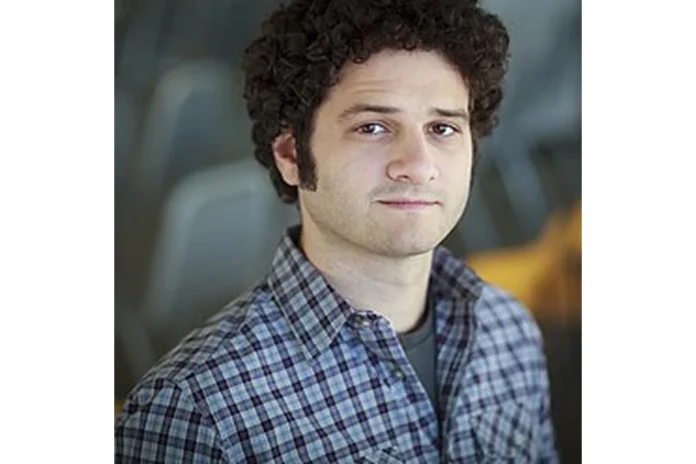
Dustin Aaron Moskovitz Bio
Dustin Aaron Moskovitz (born May 22, 1984) is an American internet entrepreneur, programmer, and philanthropist best known as a co-founder of Facebook and the work-management software company Asana. He served as Facebook’s first chief technology officer before leaving the company in 2008 to build Asana with fellow former Facebook engineer Justin Rosenstein. Moskovitz has since become one of the most prominent voices in modern effective altruism, co-founding Good Ventures and helping establish the Open Philanthropy Project with his wife, Cari Tuna.
In March 2011, Forbes identified Moskovitz as the youngest self-made billionaire in the world, a distinction tied to his early equity stake in Facebook. As of May 2025, his net worth was estimated at US$17.4 billion, placing him among the wealthiest technology founders in the United States. He currently serves as Chairman of Asana, a role he announced he would transition into in March 2025 after the company secured a new chief executive officer.
Early Life and Background
Dustin Aaron Moskovitz was born on May 22, 1984, in Gainesville, Florida, and raised in nearby Ocala. He grew up in a Jewish household, an identity he has discussed publicly in later interviews and writings. He attended Vanguard High School in Ocala, where he completed the rigorous International Baccalaureate Diploma Program and graduated with his class before applying to college.
After high school, Moskovitz enrolled at Harvard University, where he initially studied economics. As a freshman and sophomore, he shared housing with Mark Zuckerberg, a friendship that would soon change the trajectory of his life. After two years on campus, he paused his degree to relocate to Palo Alto, California, and never returned to complete his studies, instead dropping out to focus on the growing online project he had helped build.
Path to Entrepreneurship
Moskovitz’s first major venture began as a side project in a Harvard dormitory in February 2004, when he joined roommates Mark Zuckerberg, Eduardo Saverin, and Chris Hughes in launching what would become Facebook. The site, originally called thefacebook.com, was conceived as a student directory for Harvard undergraduates, and Moskovitz contributed heavily to its early engineering work and rapid expansion.
By June 2004, the three engineers behind the platform had taken a leave of absence from Harvard and moved the company’s base of operations to Palo Alto, where they hired their first employees. Moskovitz quickly rose to become Facebook’s first chief technology officer, and later its vice president of engineering, helping steer the product through a period of explosive user growth. In October 2008, after four transformative years, he announced he was leaving to start a new company, convinced that workplace collaboration tools needed to be rebuilt from the ground up.
Dustin Aaron Moskovitz Career
Facebook Years (2004–2008)
Moskovitz joined Facebook as a co-founder during its founding phase in 2004, working alongside Zuckerberg, Hughes, and Saverin from a Harvard dormitory. As the company’s first chief technology officer, he oversaw much of the platform’s earliest engineering decisions, helping the service scale beyond Harvard to other universities and eventually the wider public. He later took on the role of vice president of engineering, a position in which he shaped the technical culture of one of the fastest-growing companies of the decade.
During his tenure, Facebook expanded from a small dorm project into a global social network with millions of users. Moskovitz’s four years at the company gave him both an equity stake that would later make him a billionaire and the operational experience that would shape his next venture. When he announced his departure in October 2008, he did so alongside Justin Rosenstein, a fellow Facebook engineering manager who shared his interest in productivity software.
Asana Breakthrough (2008–Present)
On October 3, 2008, Moskovitz publicly unveiled Asana, a new software company designed to help teams track projects and tasks without the burden of endless email threads. He assumed the role of chief executive officer, with Rosenstein joining as co-founder and later serving as a board member and advisor. The company was built around the idea that modern knowledge workers deserved better tools for coordinating complex projects, and it grew steadily over the following decade.
In September 2020, Asana went public through a direct listing on the New York Stock Exchange at an initial market value of roughly $5.5 billion. Moskovitz, who retained a significant ownership stake, continued to lead the company as it expanded its product line and customer base. In March 2025, he announced his intention to step down as CEO and transition into a chairman role once the board identified a successor, a move that reflected his long-stated interest in eventually focusing more of his time on philanthropy.
Philanthropy and Public Influence
Moskovitz co-founded the philanthropic organization Good Ventures in 2011 with Cari Tuna, and the two later helped establish the Open Philanthropy Project, an initiative aimed at identifying the most effective uses of large-scale charitable giving. Good Ventures has channeled hundreds of millions of dollars to GiveWell-recommended charities, including the Against Malaria Foundation, GiveDirectly, the Schistosomiasis Control Initiative, and the Deworm the World Initiative, along with grants to other effective altruist organizations. Open Philanthropy itself made more than US$170 million in grants in 2018 alone and has continued to expand its giving, including a US$900,000 commitment in 2023 to support climate research in Africa, Asia, and South America.
Beyond traditional philanthropy, Moskovitz and Tuna have been active in U.S. politics, primarily as donors to Democratic causes and candidates. Ahead of the 2016 presidential election, the couple pledged US$20 million to support Hillary Clinton’s campaign, making them among the largest individual donors of the cycle. In 2020, they contributed approximately US$24 million to support Joe Biden, and for the 2024 election they donated US$10 million to support Kamala Harris, with a further US$38 million channeled through Asana, making the company the largest non-PAC donor to that campaign.
Notable Events and Milestones
Moskovitz’s career includes several defining moments, from his role in launching Facebook from a Harvard dorm room in 2004 to taking Asana public in 2020. He was recognized by Forbes in 2011 as the youngest self-made billionaire in the world, a milestone that cemented his place among the most successful technology entrepreneurs of his generation. His transition from chief executive officer to chairman of Asana in 2025 marked the end of his day-to-day operational leadership of the company he had built.
Dustin Aaron Moskovitz Career Achievements
Over the course of his career, Moskovitz has co-founded two companies valued in the billions of dollars, helped establish two major philanthropic institutions, and become a leading voice in the effective altruism movement. His early Facebook equity, Asana’s public market debut, and the growth of Good Ventures and Open Philanthropy together represent one of the most concentrated examples of entrepreneurship and large-scale giving in the modern technology era.
Career Highlights
Moskovitz’s most prominent achievement remains his role as a co-founder of Facebook, where he served as the first chief technology officer and later as vice president of engineering. His second major achievement is Asana, a company he led from its founding in 2008 through a direct listing in 2020 and his transition to chairman in 2025. He has also been a major figure in philanthropy, becoming the youngest signatory of the Giving Pledge alongside his wife Cari Tuna and the founder of Good Ventures and Open Philanthropy.
Other Achievements
Beyond his core companies, Moskovitz has made selective angel investments in technology and clean energy, including an early investment in the mobile photo-sharing app Path, where his advice reportedly helped founder David Morin turn down a US$100 million acquisition offer from Google in 2011. In 2020, he led a US$40 million Series D funding round for Helion Energy, a fusion power start-up working on next-generation clean energy technology.
Dustin Aaron Moskovitz Family
Family Background and Personal Life
Moskovitz grew up in Gainesville and Ocala, Florida, in a Jewish household that valued education. He has described his upbringing as relatively ordinary, with his later success in technology emerging from his college years at Harvard rather than from a family business. Limited public information is available about his parents or siblings, and he has generally kept that part of his life private.
Personal Life
Moskovitz met journalist Cari Tuna on a blind date, and the two married in 2013. Together, they co-founded Good Ventures and helped establish the Open Philanthropy Project, and they have been recognized as the youngest couple to sign Bill Gates and Warren Buffett’s Giving Pledge. The couple are regular attendees of the Burning Man festival, an experience Moskovitz has written about publicly, and they divide their time between philanthropic work in the San Francisco Bay Area and their broader charitable interests around the world.