

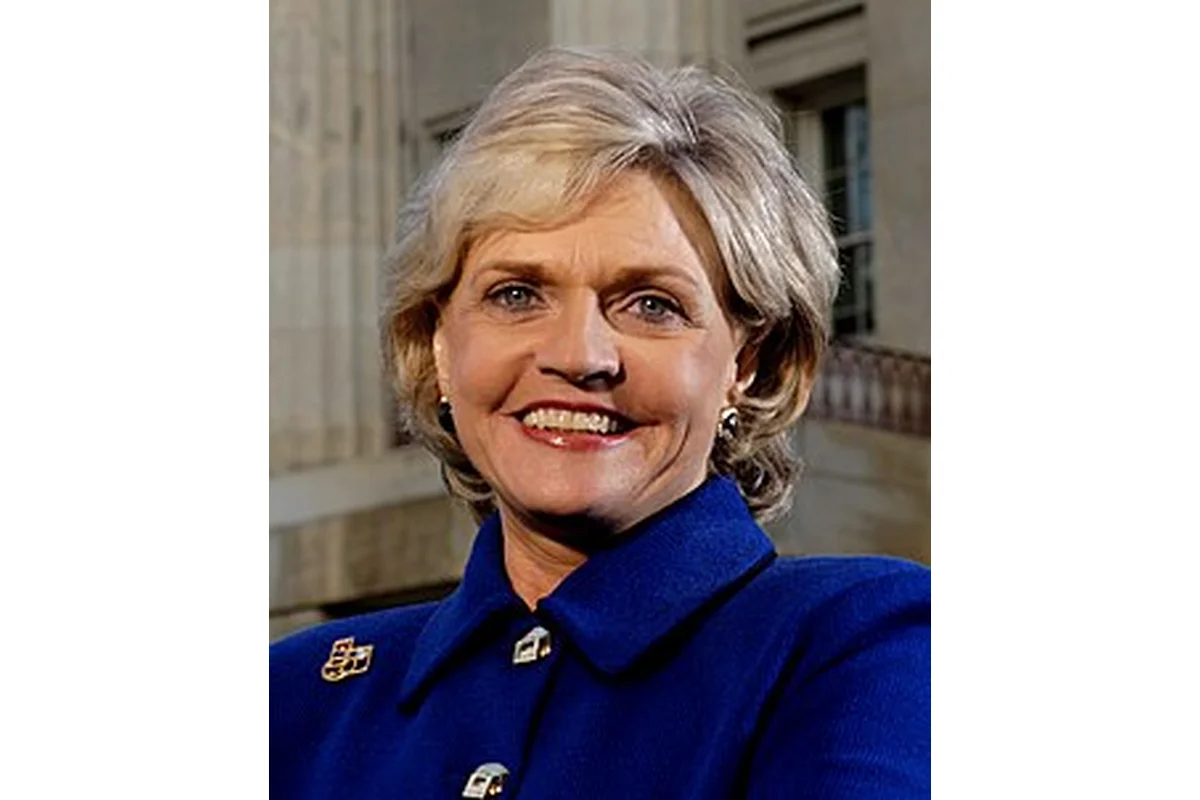
Bev Perdue Bio
Beverly Marlene Eaves Perdue, known publicly as Bev Perdue, is an American politician, businesswoman, and educator who served as the 73rd governor of North Carolina from 2009 to 2013. A member of the Democratic Party, she made history as the first woman elected to North Carolina’s governorship and only the second woman to serve as a governor in the United States at that time. Before leading the state, she served two terms as North Carolina’s first female lieutenant governor and spent more than a decade in the state legislature.
Perdue built her career on a foundation of public service, classroom teaching, and health-care administration. Her time in office focused heavily on education funding, teacher pay, and disaster response, especially during Hurricane Irene in 2011. She continues to live in New Bern, North Carolina, and remains active in education policy through fellowships and consulting work.
Early Life and Background
Beverly Marlene Moore was born on January 14, 1947, in Grundy, Virginia, a small coal-mining community in the Appalachian Mountains. She is the daughter of Alfred P. Moore, who worked as a coal miner and co-founded a coal mining company before rising to chief executive officer of a large utility company, and Irene Morefield Moore. Growing up in a working-class family shaped Perdue’s interest in education and economic opportunity for rural communities.
She earned a Bachelor of Arts degree in history in 1969 from the University of Kentucky, where she joined the Kappa Kappa Gamma sorority. Perdue later pursued advanced studies at the University of Florida, completing a Master of Education in community college administration in 1974 and a Doctor of Philosophy in Education Administration in 1976. These academic credentials laid the groundwork for her early career as a public school teacher and director of geriatric services at a community hospital in New Bern.
Path to North Carolina Politics
Perdue’s entry into public life came through education and community service rather than traditional political channels. After earning her doctorate, she taught in public schools and managed geriatric care services in New Bern, where she developed relationships with local civic leaders and Democratic Party organizers. Her work on health care access and aging populations drew attention from state officials seeking candidates with practical policy experience.
In 1986, she launched her political career by winning a seat in the North Carolina House of Representatives, representing Craven, Lenoir, and Pamlico counties. She served in the House from 1987 to 1991, including time on the House Judiciary Committee. In 1990, Perdue ran for the North Carolina Senate in the 3rd District, vacated by retiring State Senator Bill Barker, and won. She went on to serve five terms in the Senate, chairing the Senate Education Committee and co-chairing the Appropriations Committee during her last three terms.
Bev Perdue Career
Early Career (1987–2000)
Bev Perdue’s legislative career began in the North Carolina House of Representatives, where she served from 1987 to 1991. During that time, she focused on judicial issues and rural development, establishing a reputation as a thoughtful committee member. Her transition to the North Carolina Senate in 1991 marked the start of a decade of growing influence in state policy.
In the Senate, Perdue represented Craven, Carteret, and Pamlico counties and became a leading voice on education funding. As chairwoman of the Senate Education Committee, she worked on legislation that raised teacher pay and supported Governor Jim Hunt’s Excellent Schools Act and Smart Start program. She also helped create North Carolina’s Clean Water Management Trust Fund and pushed for expanded benefits for senior citizens. She won re-election in 1996 against Republican Holt Faircloth by a 60% to 40% margin, and again in 1998 against Republican George Hipps by the same margin.
Breakthrough (2000–2008)
In 2000, Perdue defeated Republican Betsy Cochrane to become North Carolina’s first woman lieutenant governor. Her most significant act in that role was casting the tie-breaking vote that established the North Carolina Education Lottery, a decision that generated ongoing funding for schools. She won re-election as lieutenant governor in 2004, cementing her status as a leading figure in state Democratic politics.
On October 1, 2007, Perdue announced her candidacy for governor at her hometown of New Bern, and Emily’s List endorsed her campaign on October 22, 2007. On May 6, 2008, she won the Democratic nomination, defeating State Treasurer Richard H. Moore and Dennis Nielsen. The general election against Charlotte Mayor Pat McCrory became the closest governor’s race in the country that year. Despite McCrory leading early polls and earning most major newspaper endorsements, Perdue received the endorsement of actor and director Andy Griffith, who filmed a campaign ad on her behalf. On November 4, 2008, Perdue defeated McCrory 50.3% to 46.9%.
Democratic Governor Era (2009–2013)
Beverly Marlene Eaves Perdue was sworn in as the 73rd Governor of North Carolina on January 10, 2009. Early in her term, she directed $93 million from the educational lottery to maintain day-to-day state operations and used her veto power to block bills that would have shielded legislative drafting documents, required photo identification for voters, and permitted fracking. Her veto of the fracking bill was overridden by the legislature in July 2012.
Perdue signed Susie’s Law in 2010, authorizing up to ten months in jail for convicted perpetrators of animal cruelty, and issued Executive Order No. 128 to expand the NC Pre-K program to serve up to 6,300 additional children by January 1, 2013. On December 31, 2012, she granted full pardons of innocence to the Wilmington Ten, citing tainted evidence and racism in the original prosecution. Her administration also oversaw the state’s response to Hurricane Irene in 2011, a moment many observers considered defining for her tenure. On January 26, 2012, facing declining approval ratings, she announced she would not seek re-election.
Notable Events and Milestones
Perdue’s time as governor was marked by historic firsts, including becoming the first woman elected governor of North Carolina and only the second woman governor in U.S. history at the time. Her handling of Hurricane Irene in 2011 was widely seen as a defining moment of her administration, while her pardon of the Wilmington Ten in 2012 addressed a long-standing civil rights injustice.
Bev Perdue Career Wins
Bev Perdue built one of the most successful electoral records in modern North Carolina politics, winning multiple state legislative races, two terms as lieutenant governor, and a gubernatorial election. Her victories made her the first woman to serve as lieutenant governor and the first woman elected governor of North Carolina.
North Carolina Politics Highlights
Perdue won her first House seat in 1986 and went on to win five Senate terms, including re-election victories in 1996 and 1998 by 60% to 40% margins. In 2000, she became North Carolina’s first elected female lieutenant governor, defeating Republican Betsy Cochrane, and won re-election in 2004. Her 2008 gubernatorial victory over Charlotte Mayor Pat McCrory by 50.3% to 46.9% capped her rise through state government.
Other Achievements
Beyond elected office, Perdue served as a Resident Fellow at the Harvard Institute of Politics in spring 2013 and became a Distinguished Visiting Fellow at Duke University’s Sanford School of Public Policy in August 2013. In 2017, she was named to the Governing Board of the National Assessment of Educational Progress and became the first woman in the board’s history to serve as chair in 2018, a position she was re-elected to in 2021.
Bev Perdue Family
Family Background and Lineage
Bev Perdue was born into a Virginia coal-country family. Her father, Alfred P. Moore, worked as a coal miner before co-founding a coal mining company and ultimately becoming chief executive officer of a large utility company. Her mother, Irene Morefield Moore, raised Beverly in Grundy before the family expanded its business interests. Perdue’s Appalachian roots influenced her later policy focus on rural communities, education access, and economic development.
Personal Life
Perdue married Gary Perdue in 1970, and the couple had two sons, Garrett (born 1976) and Emmett (born 1979), before divorcing in 1994. In 1997, she married Robert Wendell Eaves Jr., and although she continues to use Perdue as her last name, she adopted Eaves as her middle name. She is an Episcopalian and lives in New Bern, North Carolina.