

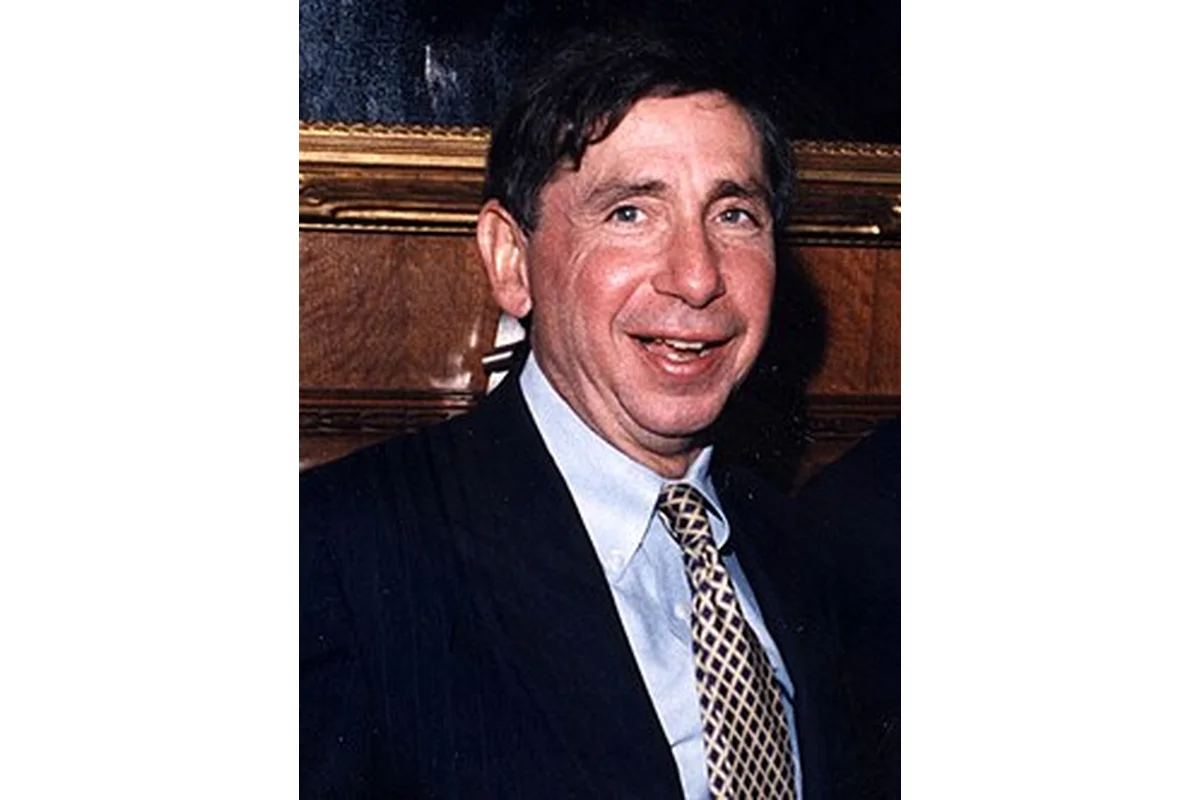
Mickey Kantor Bio
Michael “Mickey” Kantor (born 7 August 1939) is an American attorney and public official who served as the United States Trade Representative from 1993 to 1996 and as the United States Secretary of Commerce from April 1996 to 1997 under President Bill Clinton. A Nashville native, Kantor is best known for shaping the United States trade agenda during the Clinton administration, including the negotiations that created the World Trade Organization, the Uruguay Round, and the North American Free Trade Agreement (NAFTA). After leaving government, he returned to private legal practice and has remained active on nonprofit and corporate boards.
Early Life and Background
Mickey Kantor was born on 7 August 1939 in Nashville, Tennessee, and raised in the same city. He came from a family of Jewish furniture retailers led by his parents, including his father, Henry Kantor. Growing up in mid-twentieth-century Nashville, Kantor was shaped by a household rooted in small business and community involvement, and the city’s mix of Southern tradition and civic ambition left a lasting mark on his outlook.
After completing his secondary education, Kantor enrolled at Vanderbilt University, where he earned a Bachelor of Arts degree in business and economics in 1961. Following college, he served four years as a supply officer in the United States Navy, gaining early experience in logistics and government operations. He then attended Georgetown University, where he received his Juris Doctor in 1968, laying the legal foundation for a career that would span public office, diplomacy, and private practice.
Path to US Politics
Kantor’s entry into national politics grew out of his legal work and Democratic activism. Early in his career, he worked for the Legal Services Corporation, where he provided legal assistance to migrant farm workers, an experience that sharpened his interest in public policy. From 1976 to 1993, he practiced law with the Los Angeles firm Manatt, Phelps, Phillips & Kantor, a position that allowed him to build deep ties within the California Democratic Party and the broader business and labor communities that shaped national politics.
Throughout these years, Kantor became a leading Democratic fundraiser and party strategist on the West Coast. He also founded the LA Conservation Corps, a youth employment and education program, reflecting his interest in service-oriented initiatives. In 1992, he served as head of pre-transition planning for Bill Clinton’s presidential campaign, and once the election was certified, he formally led the Clinton administration’s transition team. That role positioned him at the center of the new administration’s policy team and set the stage for his appointment as United States Trade Representative.
Mickey Kantor Career
Early Career (1968–1992)
After graduating from Georgetown University Law Center in 1968, Mickey Kantor launched his legal career in public service with the Legal Services Corporation, where he represented migrant farm workers. He later moved to California and joined the Los Angeles law firm Manatt, Phelps, Phillips & Kantor in 1976, where he spent the next seventeen years building a practice in government, regulatory, and international matters. The firm became one of the most influential in Democratic political circles, and Kantor’s work there connected him to elected officials, labor leaders, and executives across the country.
During this same period, Kantor emerged as a major Democratic fundraiser and party figure in California. He founded the LA Conservation Corps, a program that gave young people paid work experience and educational support, demonstrating his commitment to youth opportunity. His reputation for organization, deal-making, and political loyalty made him a natural choice to lead the transition planning effort for Bill Clinton’s successful 1992 presidential campaign, a role that launched his national government service.
United States Trade Representative Era (1993–1996)
Appointed United States Trade Representative by President Bill Clinton, Mickey Kantor took charge of American trade policy during a period of rapid globalization. He led the United States delegation in the Uruguay Round of multilateral trade negotiations, the talks that produced the World Trade Organization and reshaped the rules of international commerce. Working with counterparts in Europe, Asia, and the Americas, he helped move a long-stalled set of negotiations to a successful conclusion.
Kantor also drove the negotiations that produced NAFTA, the agreement that created a single trade zone linking the United States, Canada, and Mexico. Beyond these landmark deals, he organized the Miami Summit of the Americas and three meetings of the Asia-Pacific Economic Cooperation forum, including the first Leaders’ Meeting hosted by the United States. With the European Commission of the newly formed European Union, he worked to expand the trans-Atlantic market, making his tenure one of the most active in the history of the Trade Representative office.
United States Secretary of Commerce Era (1996–1997)
On April 12, 1996, Mickey Kantor became United States Secretary of Commerce, succeeding Ron Brown, who had died in the 1996 Croatia USAF CT-43 crash. He took over a department responsible for promoting American business, trade, and economic growth at a moment when the global economy was being reshaped by the agreements he had helped negotiate. Kantor led the Commerce Department until 1997, working to expand United States exports and to support American companies competing in newly opened markets.
During his time at Commerce, Kantor continued the administration’s emphasis on linking trade policy with domestic economic opportunity. He worked with business leaders and foreign governments to open new markets for American goods and services, and he supported programs that helped American workers and firms adapt to the changes brought by NAFTA and the WTO. His brief tenure reinforced his reputation as a pragmatic negotiator focused on results rather than ideology.
Post-Government Practice and Board Service
After leaving the Clinton cabinet, Mickey Kantor returned to private legal practice, joining the Los Angeles office of Mayer Brown, an international law firm based in Chicago. In this role, he advises clients on international trade, regulatory, and public policy matters, drawing on his experience as a senior member of two federal departments. He has also become a sought-after voice on global economic policy and continues to be active in civic life.
Kantor serves as board of directors co-chair of Vision to Learn and the University of Southern California Annenberg Center on Communication Leadership & Policy. He is a board officer of Drug Strategies, a leadership council member of the Sargent Shriver Center on Poverty Law, a steering committee member of Japan House, and a board member of Lexmark International, Inc., and the Pacific Council on International Policy. His board service reflects a sustained commitment to education, poverty reduction, and international affairs.
Mickey Kantor Family
Family Background
Mickey Kantor was raised in Nashville, Tennessee, in a family of Jewish furniture retailers led by his parents, including his father, Henry Kantor. The family’s business background gave him an early appreciation for entrepreneurship and the practical workings of commerce, interests that would later shape his career in trade policy and the law. His Nashville upbringing also connected him to the civic traditions of the American South, which influenced his pragmatic political style.
Personal Life
Kantor’s first wife, broadcast journalist Valerie Woods Kantor, died in a 1978 plane crash in San Diego. In 1982, he married broadcast journalist Heidi Schulman, his wife since that time. He has three children. Another son, Russell, died in a single-car crash in October 1988 while a senior in high school. In 2001, the government of Brazil awarded Kantor the Order of the Southern Cross in recognition of his contributions to international trade and relations between the United States and Brazil.