

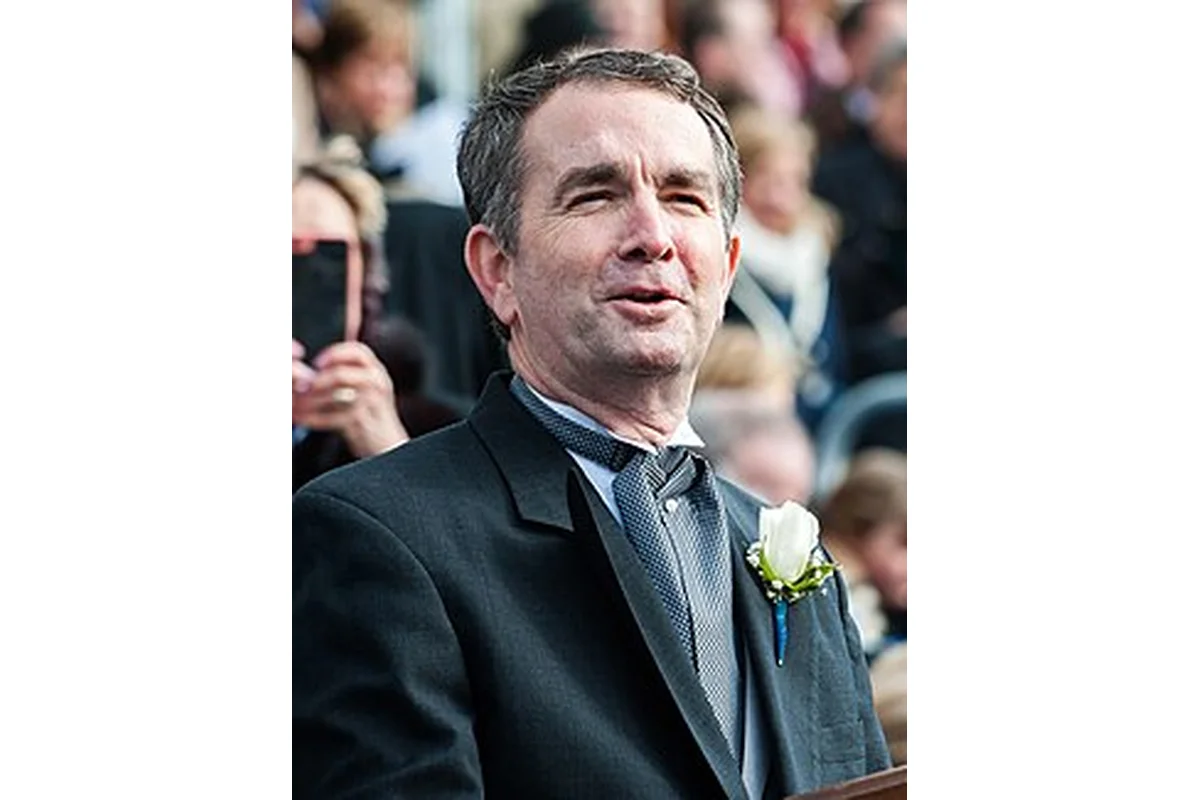
Ralph Northam Bio
Ralph Shearer Northam (born 13 September 1959) is an American physician and former politician who served as the 73rd governor of Virginia from 2018 to 2022. A pediatric neurologist by training and a former major in the U.S. Army Medical Corps, Northam represented parts of Virginia in the state senate before serving as lieutenant governor from 2014 to 2018. A member of the Democratic Party, he won the 2017 gubernatorial election and went on to shape major policy on health care, criminal justice, and gun control. His single term as governor was marked by significant legislative achievements and by a 2019 controversy involving a racist image in a medical school yearbook, after which he remained in office and completed his term.
Early Life and Background
Ralph Shearer Northam was born on 13 September 1959 in Nassawadox, Virginia, a small community on the Eastern Shore. He is the son of Wescott B. Northam and Nancy B. Shearer, both of whom raised him in the rural tidewater region of the state. Growing up in this tight-knit Eastern Shore community helped shape his early interest in service, medicine, and the traditions of his home region.
Northam attended Onancock High School, where he completed his secondary education before pursuing higher studies in the military tradition. He later enrolled at the Virginia Military Institute, where he earned a Bachelor of Science degree. The discipline and structure of VMI helped prepare him for his subsequent military service and medical career, and he remains one of only two VMI graduates to serve as governor of Virginia.
After his time at VMI, Northam continued into medicine, earning his Doctor of Medicine degree from Eastern Virginia Medical School. His training as a physician, particularly in pediatric neurology, gave him a clinical perspective that would later inform his political work on health care access and rural medical issues.
Path to US Politics
Following his medical training, Northam served as a major in the U.S. Army Medical Corps from 1984 to 1992, treating patients and developing a deeper awareness of public health challenges. This period of military and medical service laid the groundwork for his later commitment to public life. After completing his Army service, he returned to Virginia to practice medicine while becoming increasingly involved in his community.
Northam’s entry into electoral politics began at the state level when he won a seat in the Virginia State Senate, where he represented constituents from the Eastern Shore and surrounding areas. His combination of medical experience and rural background helped him connect with voters across the region. In 2013, he won election as lieutenant governor of Virginia, serving alongside Governor Terry McAuliffe from 2014 to 2018.
During his tenure as lieutenant governor, Northam built a reputation as a steady advocate for rural health care, veterans, and working families. He also served as a tie-breaking vote in the closely divided state senate. These experiences strengthened his profile within the Democratic Party and positioned him for a successful run for governor in 2017.
Ralph Northam Career
Early Career (1984–2013)
Northam’s professional life began with his service in the U.S. Army Medical Corps from 1984 to 1992, where he rose to the rank of major while practicing medicine. After leaving the Army, he returned to Virginia, where he built a career as a pediatric neurologist and became an active voice in his community on issues affecting rural health care.
His first significant step into public office came when he won election to the Virginia State Senate, representing the Eastern Shore and parts of the Hampton Roads region. As a state senator, Northam worked on issues involving health care access, the Chesapeake Bay, and rural economic development. His steady legislative record helped him gain wider recognition across Virginia.
Breakthrough (2014–2017)
Northam’s political breakthrough arrived in 2013 when he won the race for lieutenant governor of Virginia, taking office in January 2014. Serving under Governor Terry McAuliffe, he presided over the state senate and frequently cast deciding votes on key legislation. His calm demeanor and rural background made him a popular figure within the Democratic Party.
In 2017, Northam launched his campaign for governor, framing his race around expanding health care access, improving rural schools, and rebuilding Virginia’s economy. He won the Democratic nomination and then defeated Republican Ed Gillespie in the general election. His victory made him only the second Eastern Shore native to serve as governor of Virginia.
Northam was sworn in as the 73rd governor of Virginia at noon on 13 January 2018 at the State Capitol. A majority of his cabinet-level officials were female, a first in Virginia history. He quickly established new cabinet-level positions, including a Chief Workforce Advisor and, later, the nation’s first cabinet-level Chief Diversity Officer.
Democratic Party Era (2018–2022)
As governor, Northam moved quickly on signature policy priorities. In his first year, he expanded Medicaid for roughly 400,000 additional Virginians and signed legislation abolishing the death penalty. He also advanced criminal justice reforms, restored voting rights to people with prior felony convictions, and signed a package of gun-control measures in 2020 after Democrats won control of the legislature. Those measures included universal background checks, a one-per-month limit on handgun purchases, a red-flag law, and stronger penalties for unsafe firearm storage.
Northam’s tenure was dominated by his leadership during the COVID-19 pandemic. He declared a state of emergency in March 2020, closed schools, limited public gatherings, and issued Virginia’s first mandatory workforce safety standards during the pandemic. He later imposed statewide indoor mask requirements and, along with his wife Pamela, tested positive for COVID-19 in September 2020 after a staff member was infected. His administration also created one of the nation’s earliest and most effective rent relief programs, which helped Virginia achieve one of the lowest eviction rates in the country during 2021.
Northam’s governorship also included significant steps on racial equity, following a 2019 controversy involving a racist image in his 1984 Eastern Virginia Medical School yearbook. After initially apologizing and then denying that he appeared in the photo, he chose to remain in office and committed the remainder of his term to addressing Virginia’s racial inequities. He signed legislation creating the Virginia African American Advisory Board, established the cabinet-level Chief Diversity Officer, and worked with the Virginia Legislative Black Caucus on maternal mortality, affordable housing, and removal of Confederate monuments.
Notable Events and Milestones
Northam’s most defining moment came with the 2019 yearbook controversy, which drew national calls for his resignation from members of both major parties. Despite the pressure, he remained in office and saw his approval rating recover significantly by the end of his term. Other milestone moments included the signing of Medicaid expansion on his first day, the passage of the 2020 gun-control package, and Virginia’s widely praised pandemic-era tenant protection efforts, which were credited with making the state a national model for housing security.
Ralph Northam Family
Family Background and Roots
Ralph Shearer Northam is the son of Wescott B. Northam and Nancy B. Shearer. He was raised on Virginia’s Eastern Shore, where his family had deep roots. His Eastern Shore heritage remained an important part of his identity throughout his political career, and he often highlighted his small-town upbringing on the campaign trail.
Personal Life
Northam married Pamela Thomas in 1986, and the couple has two children: a son named Wes and a daughter named Aubrey. The Northams became known for their warm partnership, and Pamela was active in her husband’s gubernatorial campaigns and administration. She worked alongside him in several initiatives, including those focused on early childhood education and the state’s response to the opioid crisis.