

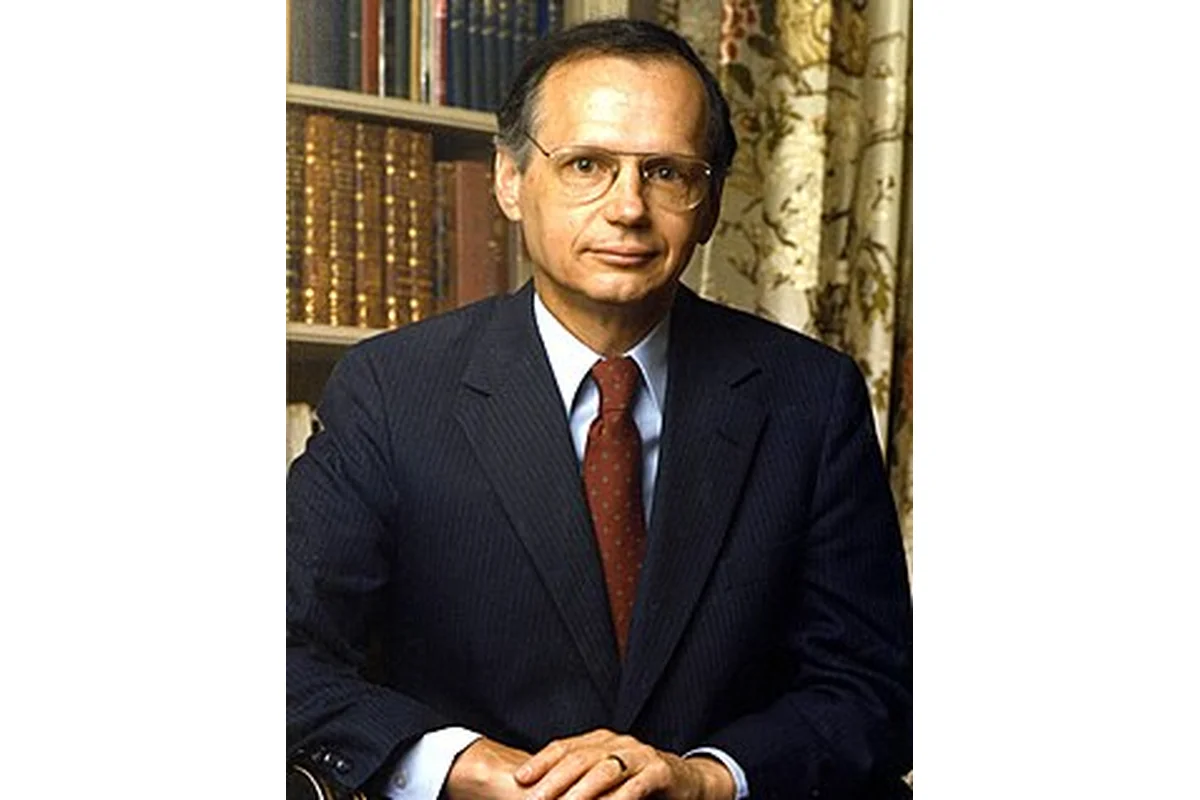
Richard Riley Bio
Richard Wilson Riley (born January 2, 1933) is an American politician and lawyer who built a long career in public service in South Carolina and Washington, D.C. A member of the Democratic Party, he served as the sixth United States Secretary of Education from 1993 to 2001 under President Bill Clinton and as the 111th Governor of South Carolina from 1979 to 1987. He is the only Democrat to serve two consecutive terms as South Carolina governor since a constitutional amendment permitted governors to serve back-to-back terms.
Before and after his time in elected office, Riley practiced law and remained active in education policy. He later joined the law firm of Nelson Mullins Riley & Scarborough as a partner and continued to be recognized nationally as one of the leading American voices on schools and learning.
Early Life and Background
Richard Wilson Riley was born on January 2, 1933, in Greenville, South Carolina. He is the son of Edward P. “Ted” Riley and the former Martha Dixon Riley. Growing up in Greenville during the Depression and post-Depression years shaped his early interest in public service and the law.
Riley attended Furman University in Greenville, where he graduated cum laude in 1954. While at Furman he joined the South Carolina Phi chapter of the Sigma Alpha Epsilon fraternity. He went on to earn his law degree from the University of South Carolina School of Law, completing the formal education that prepared him for a career in both politics and the practice of law.
Path to US Politics
Riley entered state politics in the early 1960s, winning election to the South Carolina House of Representatives, where he served from 1963 to 1967. He then moved to the South Carolina Senate, where he served from 1967 to 1977, building a record on education, healthcare, and economic development issues that would later define his gubernatorial agenda.
In 1978, Riley won his first election as Governor of South Carolina. During his first term, the state constitution was amended to allow governors to serve two consecutive terms, clearing the way for him to seek re-election. He returned to the governor’s office in 1982 with a 70%-30% victory over Republican former journalist W. D. Workman Jr. of Greenville and served until 1987.
Richard Riley Career
Early Career (1963–1977)
Richard Riley’s political career began at the state level in South Carolina. From 1963 to 1967 he represented his district in the South Carolina House of Representatives, learning the legislative process and earning a reputation for steady work on policy detail.
He was then elected to the South Carolina Senate, where he served from 1967 to 1977. His decade in the state Senate gave him the experience and statewide visibility needed to mount a credible campaign for governor in 1978.
Breakthrough (1978–1987)
Riley’s breakthrough came with his 1978 election as the 111th Governor of South Carolina. Taking office during a period of economic change in the South, he used the governorship to push a broad reform agenda centered on education, healthcare, and public safety.
As governor, Riley spearheaded the South Carolina Education Improvement Act of 1984, a major statewide reform effort that raised teacher pay, strengthened the curriculum, and improved school accountability. The work led the press to call him South Carolina’s “Education Governor.” He also signed the Medically Indignant Assistance Act, the first statewide program of its kind in the nation; the Employment Revitalization Act to coordinate occupational training; and an Omnibus Crime Bill. Despite his personal opposition to capital punishment, his administration oversaw the resumption of executions in South Carolina.
He won re-election in 1982 by a wide margin, becoming the only Democrat to serve two consecutive terms as governor since the constitutional change allowing consecutive service.
Democratic Party Era (1993–2001)
After leaving the governorship in 1987, Riley returned to private life and the practice of law. In 1993, President Bill Clinton first approached Riley about an appointment to the United States Supreme Court; Riley declined, and Clinton ultimately appointed Ruth Bader Ginsburg. Later that same year, Clinton named Riley the sixth United States Secretary of Education.
As Secretary of Education from 1993 to 2001, Riley worked to expand access to early childhood education, raise academic standards, and increase federal investment in schools. From 1997 to 2000 he worked closely with senior adviser Carol Rasco, the director of the America Reads Challenge, to design and implement Clinton’s childhood literacy initiative. He remained in the Cabinet until Clinton left office in 2001.
Notable Events and Milestones
Riley’s career includes several signature moments: helping to amend the South Carolina constitution to permit consecutive gubernatorial terms, leading the South Carolina Education Improvement Act of 1984, and serving as United States Secretary of Education during a period of expanded federal involvement in K-12 and early-childhood education. His 1982 re-election victory remains one of the most lopsided gubernatorial results in modern South Carolina history.
Richard Riley Career Wins
Richard Riley’s record of public-service achievements spans more than three decades, from the South Carolina legislature to the United States Cabinet. His work is most often associated with two distinct wins: his two-term governorship of South Carolina and his eight-year tenure as United States Secretary of Education.
US Politics Highlights
Riley was first elected governor of South Carolina in 1978 and then re-elected in 1982 in a 70%-30% victory over Republican W. D. Workman Jr. He served continuously from 1979 to 1987, the longest uninterrupted Democratic governorship in modern South Carolina history.
He was appointed the sixth United States Secretary of Education in 1993 and held the post until 2001, making him one of the longest-serving recent Secretaries of Education and a central figure in the Clinton administration’s education agenda.
Other Wins & Achievements
Riley has received the Foreign Language Advocacy Award (2000) from the Northeast Conference on the Teaching of Foreign Languages and, in 2008, was named by TIME magazine among the Top Ten Best Cabinet Members in United States history. The Christian Science Monitor has described him as one of the great statesmen of education of the twentieth century, and the late Washington Post columnist David Broder called him one of the most decent and honorable people in public life.
Richard Riley Family
Family Background and Public Service Lineage
Richard Wilson Riley was born into a family rooted in Greenville, South Carolina. His father, Edward P. “Ted” Riley, and his mother, Martha Dixon Riley, raised him in the city where he still built his political base. The family background gave him early exposure to civic life and shaped his decision to study law and enter public service.
Personal Life
Riley married Ann O. Yarborough, known to family and friends as Tunky. The couple had three sons and one daughter. Riley is a widower and has continued his legal and civic work in South Carolina.
In 1999, Furman University, his alma mater, created the Richard W. Riley Institute of Government, Politics and Public Leadership in his honor. In 2008, Walden University renamed its college of education the Richard W. Riley College of Education and Leadership, and Winthrop University had earlier renamed its college of education in his honor. In 2018, the Richard W. Riley Collection, holding more than 3,000 photographs, speeches, research notes, and campaign materials, opened at the University of South Carolina’s South Carolina Political Collections, and Greenville announced plans to memorialize him with a sculpture recognizing his public leadership.