
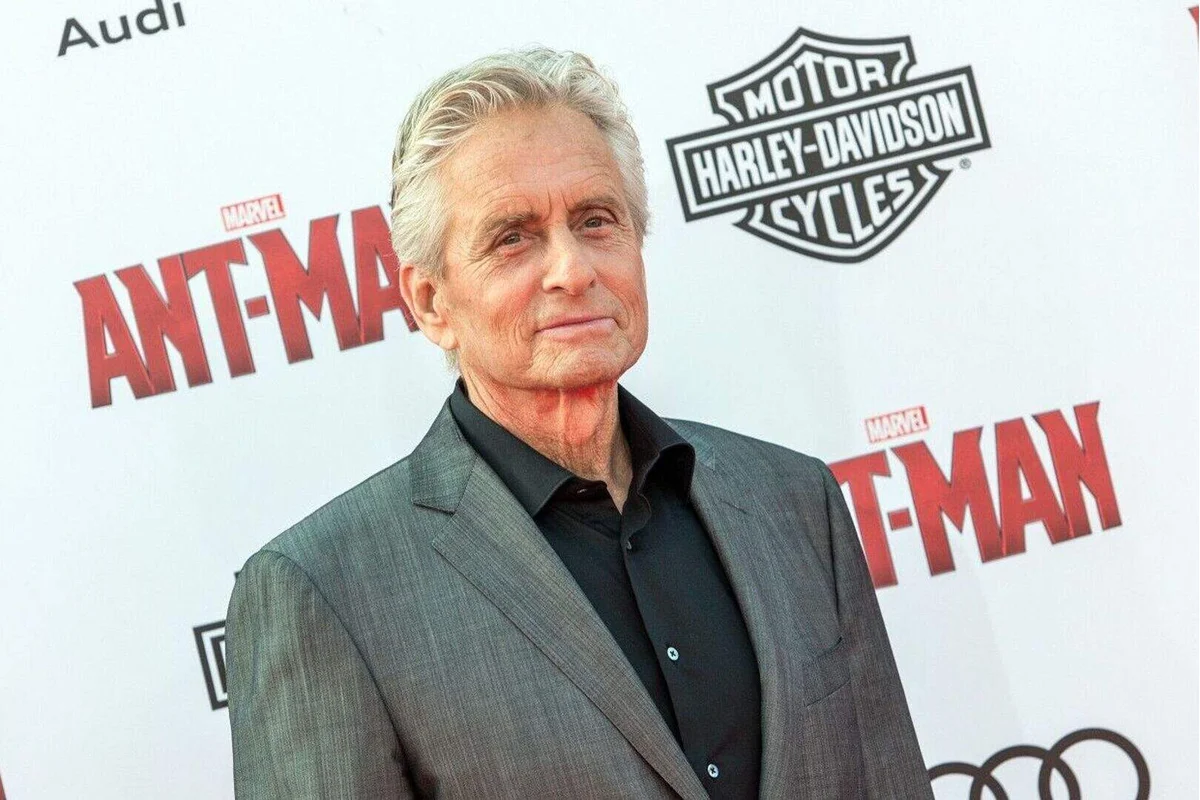
Michael Douglas is the primary entity for this article, supported by Entertainment topic context.
Related WII context: related keeper article. External authority context: industry context.
At the 2026 TCM Classic Film Festival, Michael Douglas shared his memories of working with Oliver Stone on the 1987 film Wall Street, revealing how Stone’s unyielding and tough approach pushed him to deliver an Oscar-winning performance. Known for his intense character portrayal of Gordon Gekko, Douglas credited Stone’s harsh criticism for helping him embody the ruthless stockbroker’s persona more fully. This reflection sheds light on the complex dynamic between the filmmaker and his lead actor during the production.
Oliver Stone’s Confrontational Style with Actors
Oliver Stone, a Vietnam War veteran and filmmaker recognized for his fierce dedication to authenticity, often challenged his actors rigorously to achieve the performances he envisioned. This persistence was part of Stone’s broader style, shaped by his own experiences and the weighty subjects he explored in his films. While other directors have employed various psychological tactics on set—ranging from Alfred Hitchcock’s cryptic and sometimes cruel guidance to Werner Herzog’s more extreme methods—the techniques Stone used with Douglas fall somewhere between these extremes.
Stone’s Candid Rebuke to Douglas During Filming
Douglas recalled a pivotal moment in the early weeks of filming when Stone visited his trailer with a blunt assessment that unsettled him.
“Okay, so we were finishing the second week of filming,”
Douglas said,
“And there was a knock on my door. ‘Hey Mike, it’s Oliver. Can I come in?’ I say, ‘Yeah, come on in.’ He comes in the trailer and sits down. He says to me, ‘You okay?’ I said, ‘Yeah, I’m okay.’”
The conversation then took a sharp turn.
[He asks], ‘Are you doing drugs?’ I said, ‘No, I’m not doing drugs.’ And he said, ‘Because you look like you’ve never acted before in your life.’
This harsh critique was unexpected and shocking for Douglas but ultimately served as a catalyst for a deeper engagement with the role.
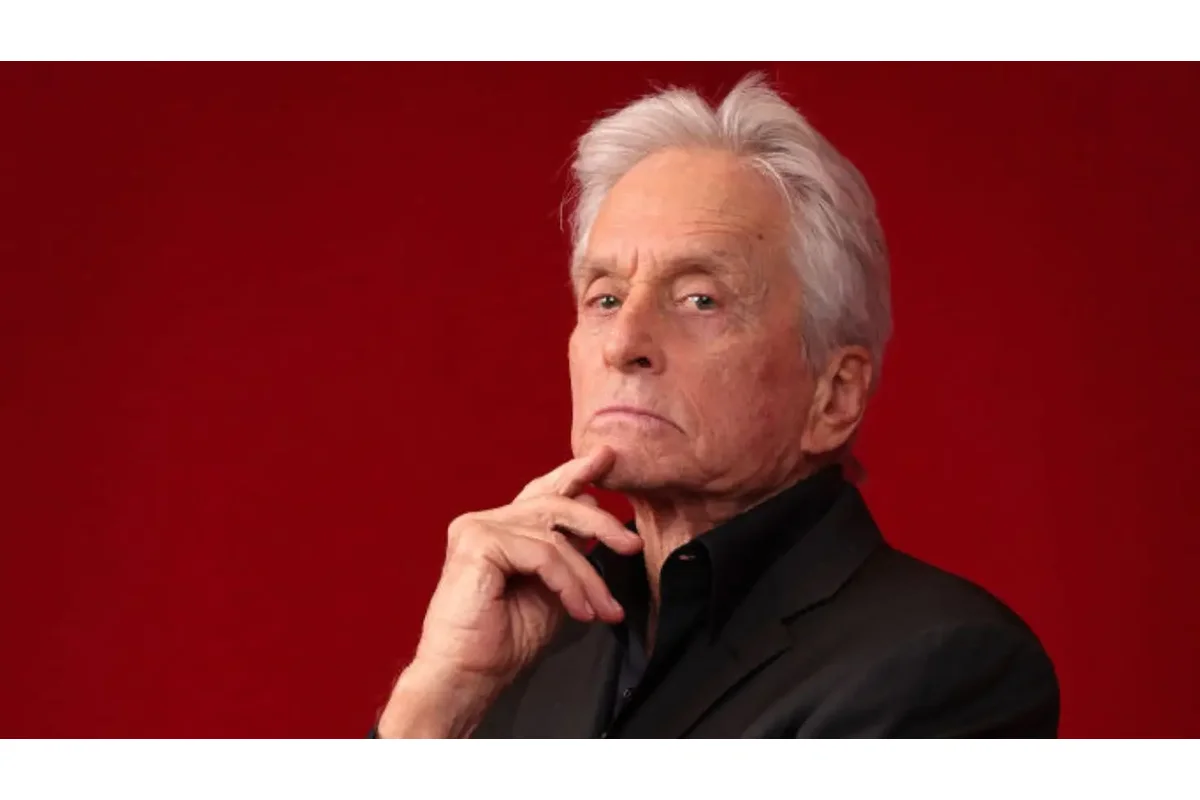
Encouragement Through Provocation: The Purpose Behind Stone’s Remarks
Stone encouraged Douglas to review the daily footage, despite Douglas’s reluctance. As a producer himself, Douglas tended to focus instead on the takes that didn’t work, but he complied. Upon examination, he found the performances were stronger than he anticipated.
“And I’m looking at them really hard, and critically, and they seemed pretty good. So I keep saying, ‘I think it’s pretty good,’ and [Stone said], ‘Yeah, it is, isn’t it,’”
Douglas recounted. This exchange revealed Stone’s strategy—he was deliberately provoking discomfort to elevate Douglas’s portrayal.
The Aftermath: From Conflict to Oscar Triumph
Douglas recognized that Stone was intentionally pushing him to the edge, willing to risk personal friction to achieve the desired intensity.
“He was willing for me to hate his guts for the rest of this movie to get that extra little push,”
Douglas admitted. Despite the tension, this difficult director-actor relationship resulted in a groundbreaking performance that earned Douglas the Best Actor Oscar. Decades later, he harbors no resentment toward Stone’s demanding style, viewing it instead as a necessary means to reach artistic success.
Contextualizing Stone’s Method Within Hollywood’s Toughest Directors
The film industry has seen various directors adopt psychologically challenging methods to extract powerful performances. Alfred Hitchcock’s ambiguous and sometimes harsh directions left actors guessing, as with Shirley MacLaine’s experience on her debut in The Trouble with Harry. Similarly, Werner Herzog displayed extreme control over his cast during the filming of Aguirre, Wrath of God, notably threatening Klaus Kinski with a gun to keep him filming. Compared to these extremes, Stone’s approach with Douglas was demanding but remained within the bounds of professional tension designed to serve the material.
The Lasting Impact of Intense Direction on Acting Careers
Stone’s imposition of intense psychological pressure highlights a broader conversation about the ethics and effectiveness of such directorial tactics. For Douglas, the challenge became an unexpected gift, unlocking a performance that has since become iconic. The experience underlines how difficult creative processes can sometimes lead to extraordinary results, even when fraught with conflict. It also illustrates the complicated balance directors must strike between pushing actors and maintaining a respectful working environment.
