
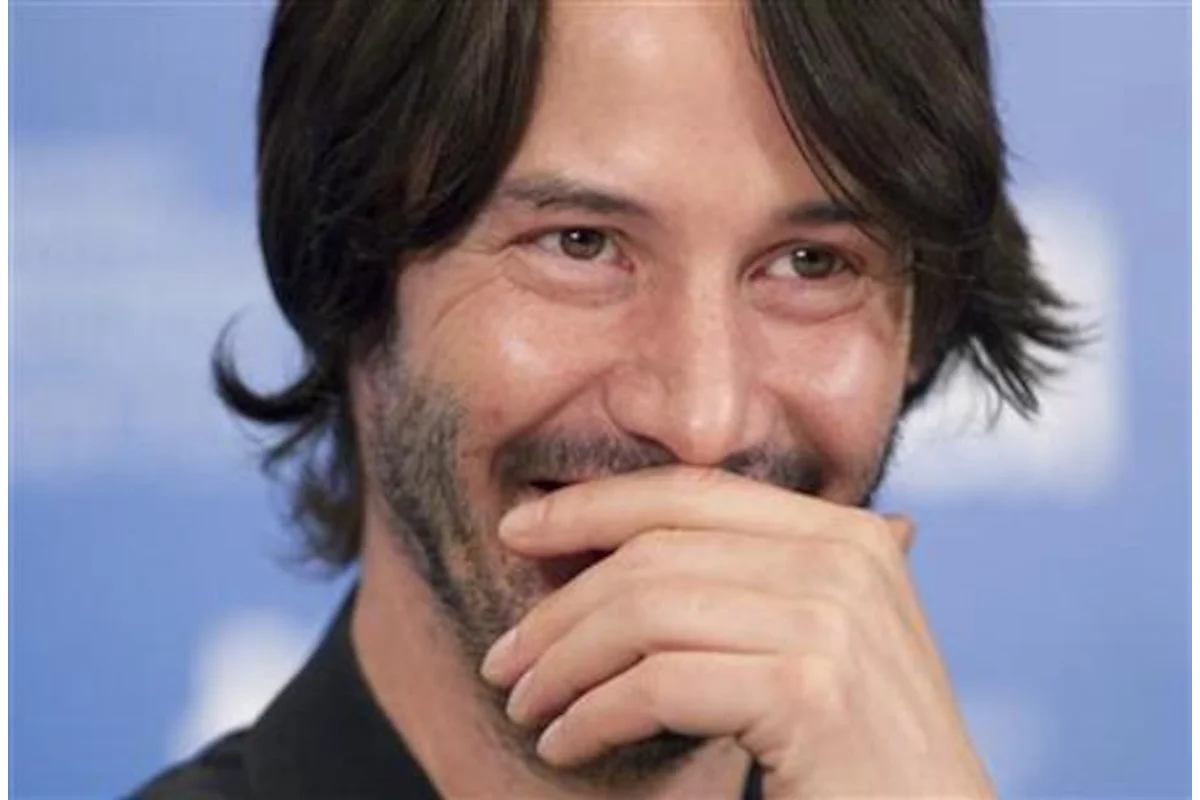
Despite a career filled with memorable characters, Keanu Reeves experienced firsthand how pleading for a role in Hollywood can fall flat when he unsuccessfully pursued an iconic part in the late 1990s. Known for his status as a marquee action star, Reeves’ attempt to secure the role of Aragorn in Peter Jackson’s The Lord of the Rings ultimately ended in disappointment.
Keanu Reeves has become synonymous with some of cinema’s most memorable figures, including Theodore ‘Ted’ Logan from Bill & Ted’s Excellent Adventure, Speed’s Jack Traven, The Matrix’s Neo, and the titular role in the John Wick franchise. His image as a cool, capable protagonist is firmly entrenched in popular culture. However, Reeves’ portrayal of Jonathan Harker in a Dracula adaptation remains widely regarded as one of his least successful performances, often noted for its poor execution and reception.
In the late 1990s, Reeves’ career hit a challenging phase following several box office failures such as Johnny Mnemonic, Chain Reaction, and Feeling Minnesota. Although The Devil’s Advocate offered some relief, it was not until The Matrix that he regained his status as a leading actor. Interestingly, Reeves was not the first choice for Neo; several well-known actors including Leonardo DiCaprio, Will Smith, Brad Pitt, and Sandra Bullock turned down the role before he accepted it.

During the filming of The Matrix from March to August 1998, Keanu Reeves was simultaneously advancing his career globally. Meanwhile, preparations for Peter Jackson’s massive shoot for The Lord of the Rings began for its 438-day production starting in October 1999. The process of casting Aragorn proved complicated, with actors like Nicolas Cage declining and Russell Crowe considered only because Jackson felt obliged to approach him. Stuart Townsend was initially cast but was replaced after filming began, with Viggo Mortensen eventually taking over and defining the character.
In early 1999, Reeves openly expressed his strong desire to portray Aragorn, whom he also referred to by his alias, Strider.
“I’d love to work with him, but I’m not sure if it’s going to go ahead. I hope I can,”
Reeves said, indicating his admiration for Peter Jackson. Reinforcing his commitment, Reeves admitted,
“I might have to go begging for the role.”
He added,
“I have people making calls right now. Hopefully, he’ll think I’m right for the part. I’m the man. I’m there.”
Despite Reeves’ enthusiasm and efforts, Jackson ultimately chose Mortensen for the role, a decision that later proved crucial in shaping the film’s legacy. While Reeves’ attempt to secure the part was notable, his absence allowed Mortensen to establish an unforgettable version of Aragorn that strongly resonated with audiences worldwide. The choice to cast Mortensen over Reeves shaped the tone and reception of the trilogy significantly.
Keanu Reeves’ journey during this time highlights the unpredictable nature of Hollywood casting decisions and the influence they have on an actor’s career trajectory. Though Reeves missed out on one of the most iconic fantasy roles of the era, he went on to star in The Matrix, which defined much of his career. His experience also underlines that even established actors can face setbacks when competing for high-profile roles, regardless of their fame or prior achievements.
Looking back, Keanu Reeves’ bid for the Aragorn role serves as a fascinating example of how career paths can diverge based on casting outcomes. Both The Matrix and The Lord of the Rings became cultural milestones, each featuring performers who fit their roles with lasting impact. For Reeves, this episode is a reminder that persistence in Hollywood might not always yield the results an actor hopes for, but it can still lead to other legendary opportunities.
Related semantic context: related coverage · external reference.
