
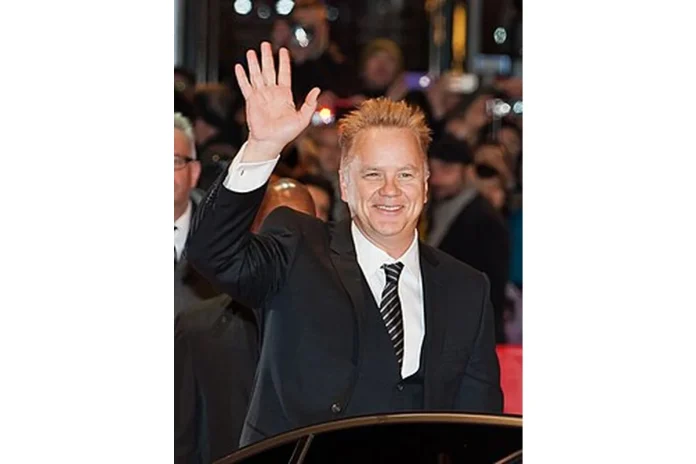
Tim Robbins Bio
Timothy Francis Robbins (born October 16, 1958) is an American actor, director, producer, and screenwriter whose career spans more than four decades across film, television, and theater. He is widely recognized for leading roles in Bull Durham and The Shawshank Redemption, for his supporting turn in Mystic River, and for directing the acclaimed drama Dead Man Walking. His accolades include an Academy Award, a Golden Globe, and a Screen Actors Guild Award. Beyond Hollywood, Robbins is the founder of the Actors’ Gang theater company and a prominent voice in American political activism.
Early Life and Background
Robbins was born in West Covina, California, and raised in New York City, where his family settled in Greenwich Village while his father pursued a career as a member of the folk group the Highwaymen. His parents were Mary Cecelia (née Bledsoe), a musician, and Gilbert Lee Robbins, a singer, actor, and manager of The Gaslight Cafe in Greenwich Village. He grew up alongside two sisters, Adele and Gabrielle, and a brother, composer David Robbins, in a Catholic household shaped by music and performance.
Robbins began performing in theater at the age of twelve and joined the drama club at Stuyvesant High School in Manhattan, from which he graduated in 1976. He spent two years at SUNY Plattsburgh before transferring to the University of California, Los Angeles, where he earned a Bachelor of Arts degree in Drama from the UCLA Film School in 1981. These formative years in school productions, Greenwich Village venues, and UCLA training laid the groundwork for his professional life on stage and screen.
Path to Acting
Robbins’s path to acting began at Theater for the New City, where he spent his teenage years performing in the Annual Summer Street Theater and playing the title role in a musical adaptation of Antoine de Saint-Exupéry’s The Little Prince. After graduating from UCLA in 1981, he founded the Actors’ Gang, an experimental theater company, in Los Angeles with college friends that included a young John Cusack. The company quickly became a creative laboratory for his work as a writer, director, and performer.
His screen debut followed in 1982, when he appeared as the domestic terrorist Andrew Reinhardt in three episodes of the medical drama St. Elsewhere. He then took small film roles in No Small Affair and Fraternity Vacation before landing a memorable supporting part as the radar intercept officer Lt. Sam “Merlin” Wells in the fighter pilot blockbuster Top Gun in 1986. These early credits established him as a versatile character actor ready for larger leading roles.
Tim Robbins Career
Early Career (1982–1987)
Robbins’s early career was defined by steady work across television and film, beginning with his recurring role on St. Elsewhere and continuing with guest spots on Moonlighting and The Love Boat. He appeared in the comedy The Sure Thing in 1985 and earned notice as the playful “Mother” in Fraternity Vacation the same year. His casting as “Merlin” in Top Gun in 1986 brought him mainstream visibility and positioned him for the breakthrough that would follow.
During this period, Robbins also directed and acted in productions with the Actors’ Gang, sharpening the writing and staging skills that would later support his work behind the camera. These years blended journeyman screen roles with hands-on theater experimentation, giving him a grounded foundation in both commercial filmmaking and independent ensemble work.
Breakthrough (1988–1999)
Robbins achieved his breakthrough as the wild pitcher Ebby Calvin “Nuke” LaLoosh in the baseball comedy Bull Durham in 1988, co-starring with Kevin Costner and Susan Sarandon. He followed with a string of acclaimed leading performances, including the haunted Vietnam veteran in Jacob’s Ladder in 1990 and the amoral studio executive in Robert Altman’s Hollywood satire The Player in 1992, a role that won him the Best Actor Award at the Cannes Film Festival. He then starred opposite Morgan Freeman in The Shawshank Redemption in 1994, a film based on Stephen King’s novella that grew into a modern classic.
Behind the camera, Robbins made his directorial and screenwriting debut with the satirical mockumentary Bob Roberts in 1992, about a right-wing senatorial candidate. He cemented his reputation as a director with Dead Man Walking in 1995, a powerful examination of capital punishment starring Susan Sarandon and Sean Penn that earned him a nomination for the Academy Award for Best Director. Other highlights of the decade included leading roles in The Hudsucker Proxy, I.Q., and Nothing to Lose, along with the thriller Arlington Road.
Notable Works and Milestones
His signature achievements from this era include the Cannes-winning performance in The Player, the cultural impact of The Shawshank Redemption, and the critical success of Dead Man Walking, which secured his only Academy Award nomination for directing. These works defined him as both a serious leading man and an auteur with a social conscience.
Tim Robbins Award Nominations
Tim Robbins has earned recognition from major awards bodies throughout his career, including a nomination for the BAFTA Award for Best Supporting Actor for his work in Mystic River in 2004. He was also nominated for the Academy Award for Best Director for Dead Man Walking in 1996, and received a Golden Globe nomination for his portrayal of a Hollywood producer in the HBO television film Cinema Verite in 2011. Together, these nominations reflect consistent peer and industry respect across film and television.
Tim Robbins Awards Won
Robbins won three of the most prestigious honors in the film industry for his supporting performance in Clint Eastwood’s Mystic River in 2003. He received the Academy Award for Best Supporting Actor, the Golden Globe for Best Supporting Actor in a Motion Picture, and the Screen Actors Guild Award for Outstanding Performance by a Male Actor in a Supporting Role. Earlier in his career, he had also won the Best Actor Award at the Cannes Film Festival for The Player in 1992.
| Award | Wins | Year |
|---|---|---|
| Academy Award for Best Supporting Actor | 1 | 2004 |
| Golden Globe for Best Supporting Actor – Motion Picture | 1 | 2004 |
| Screen Actors Guild Award for Outstanding Male Actor in a Supporting Role | 1 | 2004 |
| Cannes Film Festival Best Actor Award | 1 | 1992 |
Tim Robbins Family
Robbins is the son of the musician and actor Gil Robbins and Mary Cecelia Robbins, née Bledsoe, who was also a musician. He has two sisters, Adele and Gabrielle, and a brother, the composer David Robbins. His son Miles Robbins has followed the family into acting, while his older son, John “Jack” Henry Robbins, was born in 1989. Robbins has spoken fondly of his upbringing in Greenwich Village and credits his parents’ artistic lives with shaping his own career.
Personal Life
Robbins began a long-term relationship with actress Susan Sarandon in 1988 after meeting her on the set of Bull Durham, and the couple had two sons together before separating in December 2009. He later married actress Gratiela Brancusi on February 1, 2017; they separated in 2020, and their divorce was finalized in 2022. A lifelong New York Mets fan, Robbins has also been widely recognized for his political activism, including his opposition to the 2003 invasion of Iraq and his support for progressive political campaigns over the years.