
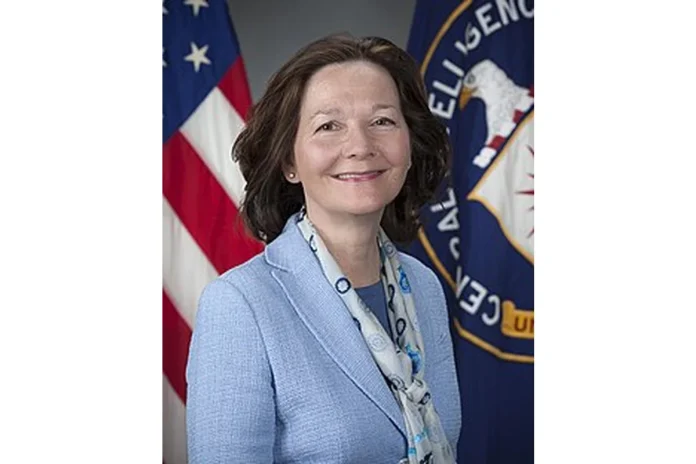
Gina Haspel Bio
Gina Cheri Walker Haspel (born 1 October 1956) is an American national security expert and retired intelligence official who served as the seventh Director of the Central Intelligence Agency from 21 May 2018 to 20 January 2021. A career Central Intelligence Agency officer since 1985, she previously held the position of Deputy Director of the Central Intelligence Agency from 2017 to 2018 and served as acting director beginning in April 2018. She is the first woman in United States history to be confirmed as a permanent Director of the Central Intelligence Agency, a milestone that placed her among the most senior national security figures of her generation.
After retiring from government service in January 2021, Haspel joined the international law firm King & Spalding in July 2021 as a senior national security advisor, where she advises clients on information technology and cybersecurity matters. She resides in Ashburn, Virginia, and remains a prominent voice in debates about United States intelligence policy, counterterrorism, and the legacy of post-September 11, 2001 detention operations.
Early Life and Background
Gina Cheri Walker Haspel was born on 1 October 1956 in Ashland, Kentucky, a small city in the eastern part of the state. Her father served in the United States Air Force, which exposed the family to military culture during her formative years. She grew up with four siblings in a household shaped by public service and discipline. The family later moved overseas, and Haspel attended high school in the United Kingdom, an experience that broadened her worldview and helped spark a lifelong interest in international affairs and foreign cultures.
After returning to the United States, Haspel enrolled at the University of Kentucky, where she studied for three years before transferring for her senior year to the University of Louisville. She graduated in May 1978 with a Bachelor of Science in languages and journalism, a background that proved useful in her later intelligence work. From 1980 to 1981, she worked as a civilian library coordinator at Fort Devens in Massachusetts, followed by paralegal studies at Northeastern University, where she earned a paralegal certificate in 1982. She practiced as a paralegal until she was hired by the Central Intelligence Agency.
Path to Intelligence Work
Haspel entered government service through a nontraditional path, beginning her professional life in libraries, military installations, and law offices before joining the intelligence community. Her paralegal work, language training, and overseas exposure through high school positioned her well for the analytical and operational demands of intelligence work. The transition from civilian legal support to national security reflected the diverse range of backgrounds that the Central Intelligence Agency has historically drawn upon for its clandestine workforce.
After completing her paralegal studies and gaining practical legal experience, Haspel was hired by the Central Intelligence Agency, beginning a career that would span more than three and a half decades. Her education in languages, journalism, and law, combined with her international upbringing, prepared her for the undercover postings and counterterrorism assignments that defined her early career. This combination of skills made her an effective officer in a field that requires cultural fluency, sharp communication, and operational discretion.
Gina Haspel Career
Early Career (1985-2001)
Gina Cheri Walker Haspel joined the Central Intelligence Agency in January 1985 as a reports officer, beginning what would become a 36-year career in United States intelligence. Her first field assignment took her from 1987 to 1989 to Ethiopia, followed by postings in Central Eurasia and Turkey. She later held several assignments in Europe and Central Eurasia between 1990 and 2001, building a reputation as a capable operational officer in regions of strategic interest to the United States.
From 1996 to 1998, Haspel served as station chief in Baku, Azerbaijan, a sensitive posting during a period of post-Soviet transition. Her leadership in this role demonstrated the trust placed in her by senior agency leadership and prepared her for increasingly complex assignments in the counterterrorism field. By 2001, she had established a strong foundation as a clandestine officer with experience across multiple continents.
Counterterrorism Center and Black Site Controversy (2001-2005)
From 2001 to 2003, Haspel served as Deputy Group Chief in the Counterterrorism Center, a role that placed her at the center of the United States response to the September 11, 2001 attacks. Between October and December 2002, she was assigned to oversee a secret Central Intelligence Agency prison in Thailand known as Detention Site GREEN, code-named Cat’s Eye, which held suspects believed to be involved with Al-Qaeda. The facility was part of the extraordinary rendition program that relied on so-called enhanced interrogation techniques, including waterboarding.
According to a former senior Central Intelligence Agency official, Haspel arrived as station chief after the interrogation of Abu Zubaydah but served as chief during the waterboarding of Abd al-Rahim al-Nashiri. In late October 2002, she became chief of base for the Thailand black site, and cables released in 2018 through a Freedom of Information Act lawsuit described acts of deliberate physical coercion, including slamming detainees against walls, prolonged confinement, and waterboarding. Haspel played a role in the destruction of 92 interrogation videotapes that documented the torture of detainees, a decision that generated lasting controversy and Senate scrutiny.
National Clandestine Service Leadership (2005-2013)
After her service in Thailand, Haspel served from 2004 to 2005 as Deputy Chief of the Central Intelligence Agency’s National Resources Division and later as an operations officer in the Counterterrorism Center near Washington, D.C. She also held station chief roles in London and, in 2011, in New York, positions that reflected her stature within the clandestine service. In 2005, she served as chief of staff to Jose Rodriguez, then Director of the National Clandestine Service, and reportedly drafted a cable ordering the destruction of videotapes made at the Thailand black site in response to mounting public scrutiny.
In 2013, Central Intelligence Agency Director John Brennan named Haspel as acting director of the National Clandestine Service, the unit responsible for covert operations worldwide. However, she was not appointed to the position permanently due to criticism regarding her involvement in the Rendition, Detention, and Interrogation program. Her permanent appointment was opposed by Senator Dianne Feinstein and other members of the United States Senate, who raised concerns about her record.
Deputy Director and Confirmation (2017-2018)
On 2 February 2017, President Donald Trump appointed Haspel Deputy Director of the Central Intelligence Agency, a position that does not require Senate confirmation. Her appointment drew bipartisan attention given her past involvement in the agency’s detention and interrogation program, and several members of the Senate intelligence committee urged the President to reconsider the choice. Despite these objections, she served as Deputy Director from 2017 to 2018 and became acting director on 26 April 2018 after Mike Pompeo was nominated to serve as Secretary of State.
On 13 March 2018, President Trump announced that he would nominate Haspel to be the next Director of the Central Intelligence Agency. She appeared before the Senate Intelligence Committee for a confirmation hearing on 9 May 2018, and on 14 May she sent a letter to Senator Mark Warner of Virginia stating that, in hindsight, the Central Intelligence Agency should not have operated its interrogation and detention program. On 16 May, the Senate Intelligence Committee approved her nomination by a 10-5 vote, and the full Senate confirmed her on 17 May 2018 by a 54-45 vote. She was officially sworn in on 21 May 2018, becoming the first woman to lead the Central Intelligence Agency on a permanent basis.
Director of the CIA (2018-2021)
As Director of the Central Intelligence Agency, Haspel led an agency of thousands of intelligence professionals during a period of evolving global threats. By May 2019, she had hired many women in senior positions, a development widely noted in coverage of her tenure. In a January 2019 Senate Intelligence Committee hearing, she addressed issues ranging from Russian diplomatic expulsions to North Korea-United States relations, signaling her involvement in the full range of intelligence questions facing the United States.
Her tenure was not without controversy. In December 2020, Haspel became the subject of a widely circulated death hoax that claimed she had been killed or arrested in a raid in Frankfurt. Fact-checking organizations debunked the claims, and no such raid took place. The Central Intelligence Agency announced her retirement on 19 January 2021, after 36 years of service, one day before the presidential transition from Donald Trump to Joe Biden. William J. Burns was selected to succeed her and was sworn in as the new director on 19 March 2021.
Notable Events and Milestones
Haspel’s most defining milestone came on 21 May 2018, when she became the first woman confirmed as a permanent Director of the Central Intelligence Agency, breaking a barrier that had stood since the agency’s founding in 1947. Her confirmation followed one of the most closely watched and debated nomination processes in modern intelligence history, with opponents citing her role in the post-September 11, 2001 torture program and her involvement in the destruction of interrogation videotapes. Supporters, including more than 50 former senior United States government officials and six former Directors of the Central Intelligence Agency, praised her experience, judgment, and dedication.
Gina Haspel Career Wins
Throughout her 36-year career with the Central Intelligence Agency, Gina Cheri Walker Haspel rose from reports officer to the highest position in United States intelligence, the Director of the Central Intelligence Agency. Her career wins include successful assignments in some of the most sensitive regions of the world, leadership of the National Clandestine Service on an acting basis, and ultimately confirmation by the United States Senate to lead the nation’s premier intelligence agency. She is widely recognized for her operational accomplishments and for the historic nature of her directorship.
Leadership Milestones
Haspel’s leadership milestones include serving as station chief in Baku, Azerbaijan, from 1996 to 1998, and later as station chief in London and New York, reflecting the trust placed in her operational judgment. In 2013, she was named acting director of the National Clandestine Service, the Central Intelligence Agency’s primary arm for covert operations around the world. Her most notable career win came on 21 May 2018, when she was sworn in as the first woman to serve as Director of the Central Intelligence Agency on a permanent basis, a position she held until 20 January 2021.
Other Wins & Achievements
In addition to her operational achievements, Haspel has received several prestigious awards, including the George H. W. Bush Award for excellence in counterterrorism, the Donovan Award, the Intelligence Medal of Merit, and the Presidential Rank Award. She also became a senior national security advisor at the international law firm King & Spalding in July 2021, advising clients on information technology and cybersecurity matters.
Gina Haspel Family
Family Background and Service
Gina Cheri Walker Haspel was raised in Ashland, Kentucky, in a family with a strong tradition of military service. Her father served in the United States Air Force, a background that helped shape her early interest in national service and international affairs. She grew up with four siblings and spent part of her youth overseas attending high school in the United Kingdom, an experience that helped prepare her for a career focused on global operations and foreign cultures.
Personal Life
Haspel married Jeff Haspel, who served in the United States Army, around 1976, and they were divorced in 1985. She resides in Ashburn, Virginia, and has kept most details of her personal life private. Her career and public service have remained the central focus of her public identity.