

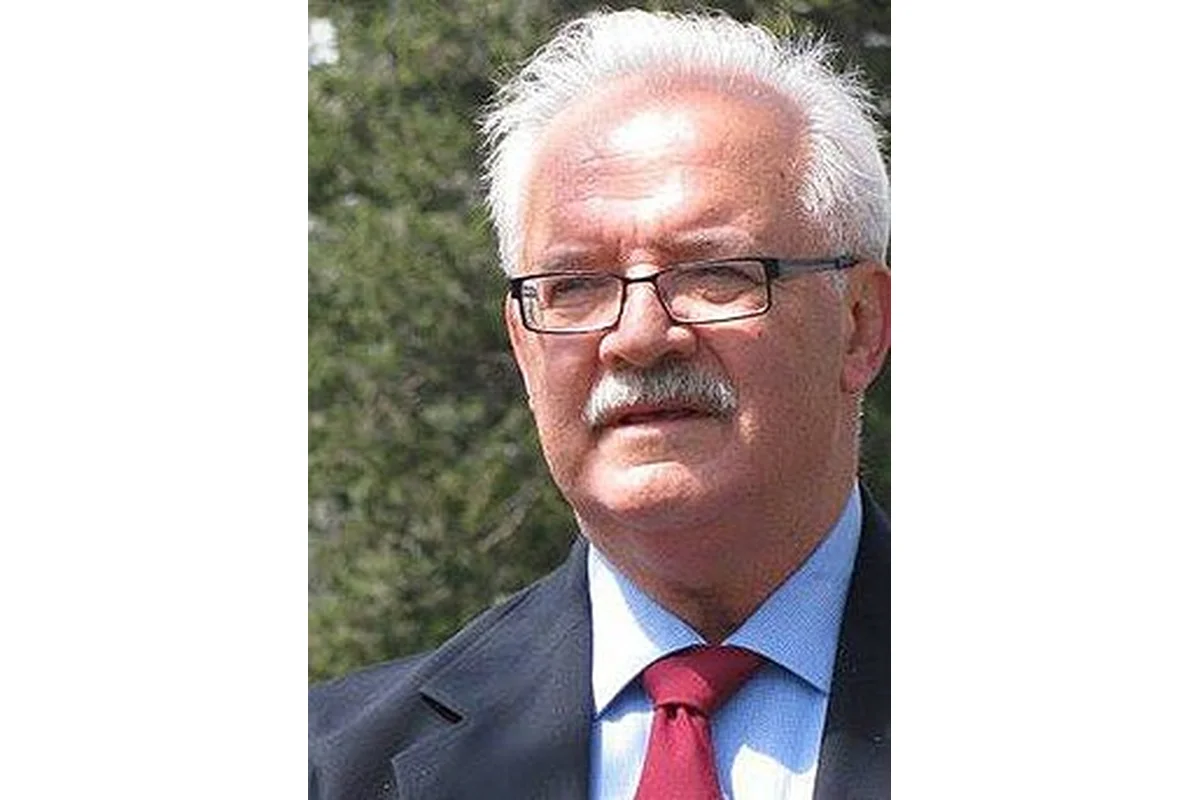
Samuel Webb Bio
Samuel Webb (born June 4, 1945) is an American activist and political leader who served as Chairman of the Communist Party USA from 2000 to 2014. Over a span of fourteen years at the head of the organization, he succeeded the long-serving leader Gus Hall and guided the party through several pivotal national elections. He remained on the CPUSA National Committee until 2016.
Beyond his role as party chairman, Webb has been a writer, organizer, and international representative for socialist causes. He has written essays on the future of socialism, met with communist and socialist leaders abroad, and weighed in on major U.S. political campaigns. His career reflects decades of grassroots activism combined with formal academic training in economics.
Early Life and Background
Samuel Webb was born on June 4, 1945, in the state of Maine. Growing up in the postwar United States shaped his interest in labor history and economic policy, interests that would later define his political work. Details about his parents and immediate family are not widely documented, but his New England roots informed the values he carried into public life.
Webb attended St. Francis Xavier University in Nova Scotia, Canada, where he completed his Bachelor of Arts degree in 1967. He then went on to earn a Master of Arts in economics from the University of Connecticut. His formal training in economics gave him a strong analytical foundation that he would draw on throughout his career as a political organizer and party leader.
Path to US Politics
After completing his graduate studies, Webb committed himself to left-wing political organizing in the United States. From 1978 to 1988, he worked as a Communist Party organizer in Michigan, a period that immersed him in industrial labor struggles and helped him build relationships with workers, union leaders, and fellow activists across the Midwest.
His decade of on-the-ground organizing in Michigan prepared him for higher leadership roles within the Communist Party USA. The skills he developed during those years, from coalition building to public communication, would prove essential when he eventually rose to the chairmanship of the national party in 2000.
Samuel Webb Career
Early Career (1978–1988)
Webb’s formal career in party politics began in 1978 when he joined the Communist Party USA as an organizer based in Michigan. He spent the next ten years building local chapters, supporting strikes, and connecting union members with the broader national organization. This work laid the groundwork for the influence he would later have on national party strategy.
Through the 1980s, Webb refined his approach to organizing and grew into a recognized voice within the party. His Michigan years gave him direct experience with the challenges facing industrial workers during a period of major economic change, experiences that shaped his later writings on socialism and political economy.
Communist Party USA Chairmanship (2000–2014)
In 2000, Samuel Webb was elected Chairman of the Communist Party USA, succeeding Gus Hall, the party’s longest-serving leader. His election marked the beginning of a fourteen-year tenure at the top of the organization, during which he led the party through three presidential election cycles and significant internal debates about strategy.
One of the most consequential decisions of Webb’s leadership came during the 2004 U.S. presidential election, when the CPUSA under his direction chose to support certain Democratic candidates. The party continued to view both major parties as expressions of a unified capitalist system but concluded that Democratic governance posed fewer risks to working people than Republican rule. This position drew both support and criticism from members and from communist parties abroad.
During the 2008 presidential election, Webb publicly described then-candidate Barack Obama as a "people’s advocate." He praised Obama’s early decisions to reverse several policies of the previous administration. Webb’s willingness to engage with mainstream Democratic politics during this period reflected the strategic debates taking place within the party.
In 2005, Webb authored Reflections on Socialism, a paper he first presented at the Left Forum in New York City. The essay argued that socialism was once again entering public discussion in trade unions, student movements, popular magazines, and halls of power around the world. The paper became a notable contribution to contemporary socialist thought in the United States.
On February 4, 2011, Webb published an essay in the Communist Party magazine Political Affairs titled "A Party of Socialism in the 21st Century: What It Looks Like, What It Says, and What It Does." The essay sparked significant criticism from communist parties in Canada, Mexico, Germany, and Greece, as well as from several local CPUSA clubs in Houston, New York, Tucson, Los Angeles, and San Francisco, who accused Webb of drifting toward social democratic and revisionist positions.
Post-Chairmanship Period (2014–2016)
Webb did not seek reelection as chairman at the 30th National Convention of the Communist Party USA in 2014. The convention elected John Bachtell as his successor, officially ending Webb’s fourteen-year run as the party’s leader. Webb continued to serve on the CPUSA National Committee until 2016.
At the close of the 2016 Democratic primary, Webb defended Hillary Clinton and urged supporters of Bernie Sanders to back her in the general election. This position reflected the same strategic framework that had shaped the party’s 2004 endorsement decisions during his chairmanship.
Notable Events and Milestones
Among the defining moments of Webb’s career was his 2005 Reflections on Socialism paper, which helped frame national conversations about the direction of the American left. His leadership during the 2004 and 2008 presidential elections, and his international travels to meet with leaders in China, the United Kingdom, Cuba, and Vietnam, further cemented his standing as a major figure in twentieth- and twenty-first-century American left politics.
Samuel Webb Career Highlights
Webb’s career is defined less by election victories than by leadership milestones within the Communist Party USA and the broader socialist movement. His tenure as party chairman from 2000 to 2014, his role in shaping the party’s electoral strategy during three presidential cycles, and his writings on socialism form the core of his public legacy.
Communist Party USA Leadership
Webb’s most significant leadership achievement was his fourteen-year run as Chairman of the Communist Party USA, making him one of the longest-serving chairmen in the party’s modern history. He guided the organization through major strategic debates, including the decision to support selected Democratic candidates in 2004 and his controversial 2011 essay on socialism in the twenty-first century.
Other Achievements
Beyond the chairmanship, Webb built a body of written work on socialist theory and represented the CPUSA in international meetings with communist and socialist leaders in China, the United Kingdom, Cuba, and Vietnam. These diplomatic efforts strengthened the party’s ties to global left movements and extended Webb’s influence well beyond domestic party politics.
Samuel Webb Family
Family Background and Political Lineage
Public information about Samuel Webb’s parents and immediate family remains limited. His upbringing in Maine, in the northeastern United States, coincided with the broader labor and progressive movements of the mid-twentieth century, an environment that likely influenced his later commitment to socialist politics.
Personal Life
Details about Samuel Webb’s spouse, children, and current residence are not widely documented in public sources. His public life has centered on his political activism, writing, and party leadership rather than on personal disclosures to the media.